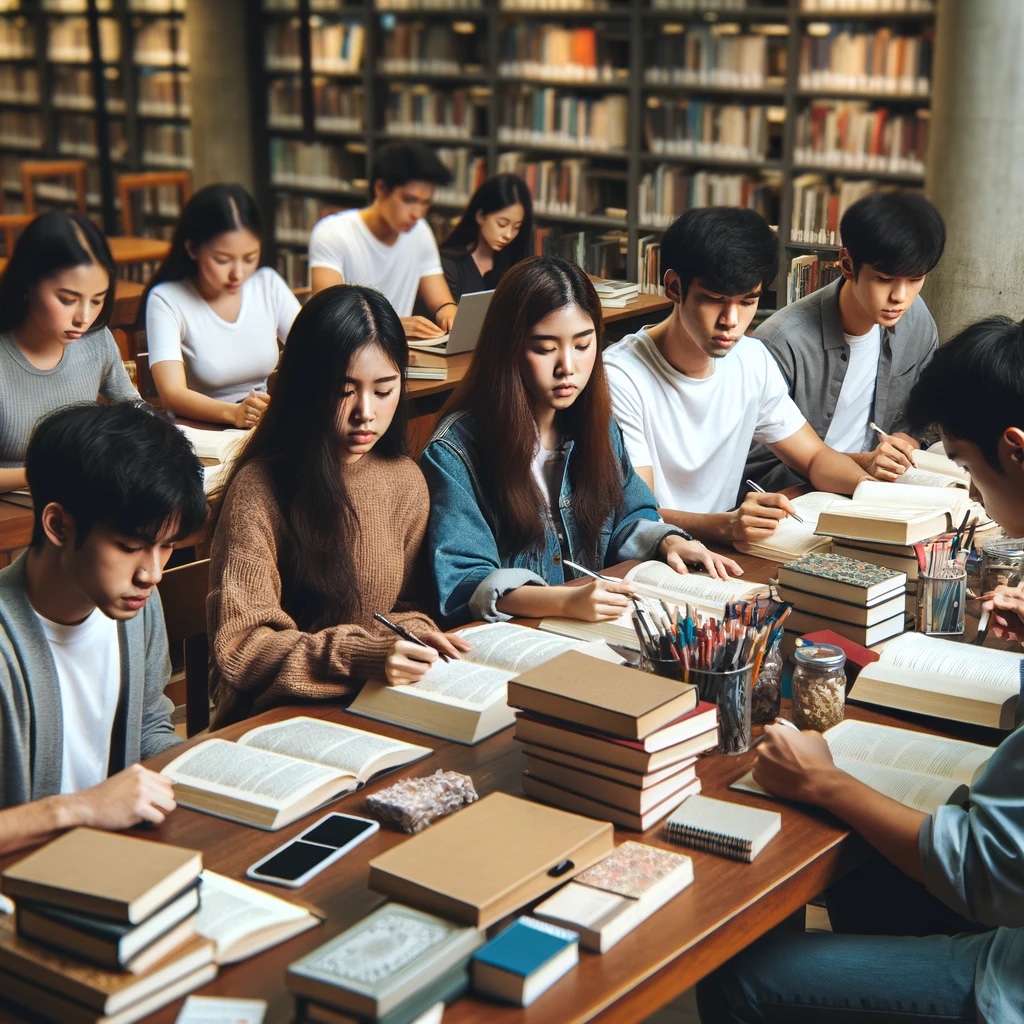
In the realm of education, few topics garner as much attention and debate as the rigorous examination cultures prevalent in East Asian countries, particularly Japan and South Korea. Termed as ‘examination wars’ in Japan, the extreme academic pressures associated with middle and high school, as well as university entrance exams, are a well-documented phenomenon. However, a closer look reveals an intriguing aspect of this discourse – the tendency, especially within Japan, to amplify the severity of the South Korean exam scenario. This narrative, while shedding light on the educational challenges, inadvertently fuels unfair comparisons and, in some cases, even stokes the flames of unfounded resentments.
The Japanese Perspective: A Battle Within
In Japan, the term ‘exam war’ is not an overstatement. The journey to secure a place in prestigious schools and universities is marked by an incredibly competitive and high-pressure environment. Students often engage in extensive preparation, attending juku (cram schools) and spending long hours in study to pass these highly competitive exams. The toll of this process is significant, impacting both the mental health and well-being of students.
South Korean Scenario: A Mirror Image?
South Korea’s education system has often been described in similarly daunting terms. The suneung, or the College Scholastic Ability Test, is a day that brings the nation to a standstill, underlining the exam’s importance in the Korean societal and educational landscape. The preparation for this exam is intense, with students dedicating years of their life to studying.
The Dichotomy in Perception
What’s intriguing is the emphasis Japanese narratives often place on the Korean exam system’s severity, sometimes even overshadowing their own challenges. This comparative perspective might stem from various factors, including cultural contexts, media portrayal, and societal values. However, it raises a critical question: Does this emphasis on the Korean system’s rigors serve to minimize Japan’s own educational pressures, or is it a form of externalizing a shared East Asian educational challenge?
Implications of Comparative Narratives
This comparative narrative is not merely an academic discussion. It has real-world implications, potentially feeding into nationalistic sentiments and influencing public opinion. The undue emphasis on Korean examination rigors can inadvertently fan the flames of ‘Hanryu’ (Korean wave) skepticism or even anti-Korean sentiment, a situation far from desirable in fostering healthy international relations.
Towards a More Balanced Understanding
The key to a healthier discourse lies in a balanced and empathetic understanding of each country’s educational challenges. Recognizing that both Japanese and Korean students face immense pressures can foster a sense of shared experience, rather than competition or one-upmanship. This acknowledgment could pave the way for constructive conversations on educational reforms and student well-being initiatives in both countries.
Conclusion: A Common Ground in Educational Challenges
In conclusion, while Japan and South Korea have distinct educational landscapes, the commonalities in their challenges offer an opportunity for mutual learning and support. By moving away from comparisons and focusing on shared experiences and solutions, these societies can work towards creating a more supportive and less stressful educational environment for their future generations. After all, education should be a journey of enrichment and discovery, not a battleground of stress and competition.
 Atsushi's Life in Korea