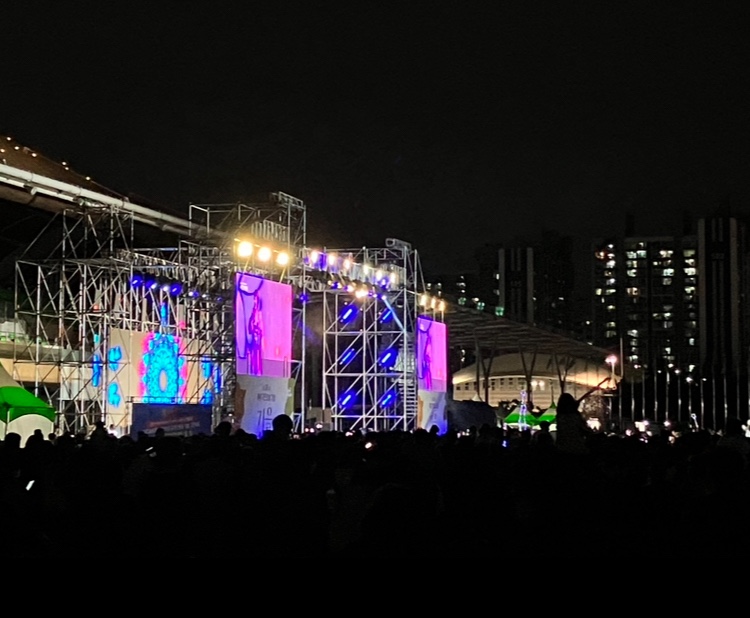
In recent years, Japan has experienced an unprecedented wave of popularity for Korean culture. This phenomenon, centered predominantly among the youth, is most visible in the growing admiration for Korean music and dramas. It’s a trend worth celebrating, as it signifies an open embrace of cultural diversity and exchange.
Korean culture’s prominence in Japan today stands in stark contrast to the situation just a decade ago. Back then, areas like Shin-Ōkubo, known for its Korean community, were often the sites of anti-Korean hate speech propagated by certain groups. This stark difference in public sentiment within merely ten years raises some critical questions about the nature of national identity and public opinion.
It’s essential to ponder whether a nation’s character can indeed undergo such a rapid transformation. While the current enthusiasm for Korean culture among Japanese youth is a positive sign, it’s also a reminder of the fluidity of public opinion and the need for constant vigilance against intolerance.
Japan’s recent history shows us that cultural attitudes are not fixed but are subject to change, often swiftly and unexpectedly. The shift from a period of widespread anti-Korean sentiment to a robust fascination with Korean culture is a testament to this.
However, this transformation also brings to light the complexities of cultural exchange. While the current trend is a step towards broader acceptance and appreciation of Korean culture, it’s crucial to recognize that genuine understanding and respect for another culture go beyond temporary trends.
In embracing Korean culture, it’s essential for Japanese society to reflect on its past prejudices and work towards a future where cultural appreciation is rooted in respect and understanding, rather than fleeting trends. This involves a continuous effort to educate and expose oneself to the depths of another culture, its history, and its people.
The rise in Korean cultural influence in Japan is not just a matter of changing tastes but a significant indicator of how societies evolve and interact. As Japan continues to navigate this cultural shift, it will be interesting to observe how this newfound appreciation shapes the country’s cultural landscape and its relationship with Korea and the broader world.
The key takeaway from this phenomenon is the reminder of the ever-changing nature of cultural dynamics. It underscores the importance of remaining open and adaptable, while also being cautious about the underlying factors that drive these changes. It’s a balancing act between embracing new cultural influences and remaining aware of the historical contexts that shape these interactions.
As Japan continues to ride this wave of Korean cultural popularity, it offers an opportunity for introspection and growth, both at the individual and societal levels. It’s a journey that, if navigated with awareness and respect, can lead to a more inclusive and harmonious cultural coexistence.
This essay touches on the rise of Korean culture in Japan, the historical context of anti-Korean sentiments, and the importance of genuine cultural understanding and respect.
 Atsushi's Life in Korea