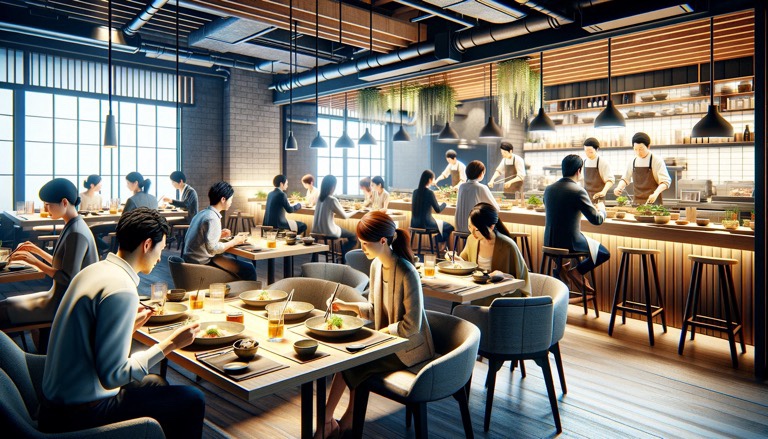
In a society that prides itself on meticulous service and customer satisfaction, a new conversation is emerging in Japan, one that challenges the norms of the food service industry. This discussion, gaining traction on various Japanese social media platforms, brings to light a subtle yet significant issue: the differing portion sizes served to women compared to men, despite ordering the same menu items at identical prices.
The Spark of the Conversation
The genesis of this debate can be traced back to a series of posts by women on social media. These posts, often accompanied by photographic evidence, illustrate a stark difference in the quantity of food served to them compared to their male counterparts. This revelation has not only surprised many but has also sparked a broader discussion about gender biases and the unspoken norms within the service industry.
Stereotypes or Misguided Assumptions?
At the heart of this controversy lies the assumption that women prefer smaller portions. This belief, while it may hold true for some, is a broad generalization that fails to consider individual preferences and dietary needs. Critics argue that such practices reinforce outdated gender stereotypes and overlook the diverse appetites and expectations of female customers.
A Question of Fairness and Transparency
The issue transcends mere portion sizes; it touches on the fundamental principles of fairness and equality in consumer rights. When customers, regardless of gender, pay the same price, they naturally expect equal value. This discrepancy in Japan’s restaurants raises critical questions about the equality and transparency in service, a concern that resonates in the wider context of gender equality and consumer rights.
Beyond Food: Reflecting Broader Gender Inequalities
Women’s advocacy groups and social activists are leveraging this discussion to highlight broader issues of gender inequality in Japan. The unequal food portions are symbolic of the subtle, often overlooked, ways in which women face disparity in everyday life. This situation has become a rallying point for those advocating for greater awareness and sensitivity towards gender-based assumptions in all sectors, including hospitality.
The Power of Social Media in Social Change
The role of social media in amplifying this issue is significant. It has provided a platform for collective storytelling and has galvanized public opinion. What started as individual observations has burgeoned into a movement pushing for change in the industry. It underscores the influence of digital platforms in raising awareness and shaping public discourse.
Moving Forward: The Path to Equality
As this conversation evolves, it serves as a poignant reminder of the ongoing challenges in achieving gender equality. It’s a call to action for industries to introspect and adapt, ensuring that services and products reflect the diverse needs and expectations of all customers. The hospitality industry, known for its attention to detail and customer care, now faces a critical opportunity to lead by example, breaking down stereotypes and setting new standards in equality and fairness.
In conclusion, the unfolding debate in Japan is more than just about food; it’s a microcosm of the larger struggle for gender equality. It’s a testament to the power of social media in initiating meaningful conversations and the need for continual advocacy in addressing deep-rooted societal issues. As we move forward, it’s imperative to keep these dialogues alive, fostering a society where equality is not just an ideal, but a lived reality for all.
 Atsushi's Life in Korea