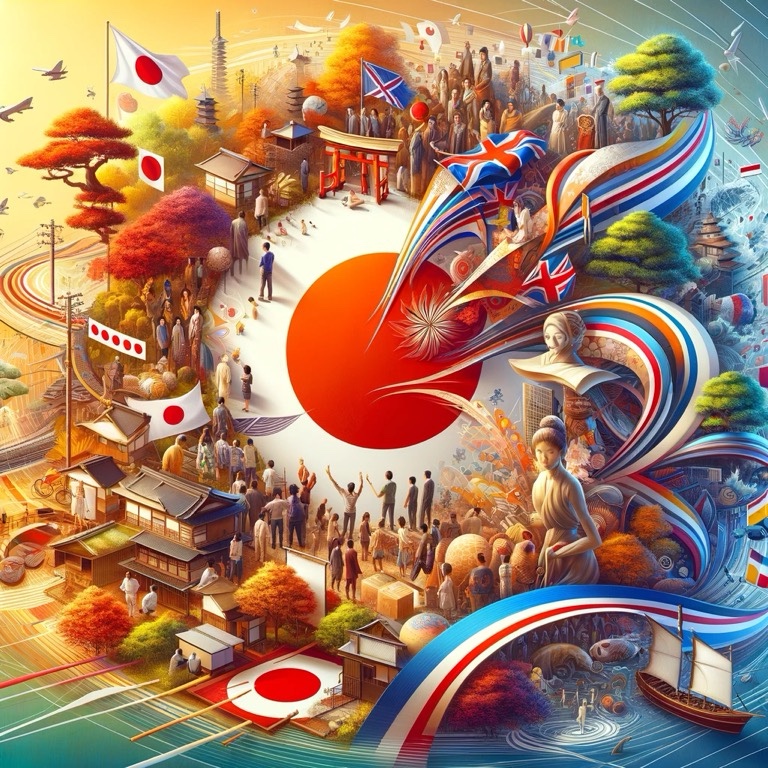
In a recent and groundbreaking event, a Ukrainian-born woman who naturalized as a Japanese citizen emerged victorious in a Japanese beauty pageant. This remarkable win, however, has not been without its controversies. It seems that some individuals, fixated on the notion of a “pure Japanese” identity, have expressed their discontent. But this situation opens a crucial dialogue about diversity and human rights awareness in Japan.
Japan, like many nations, is a tapestry of diverse identities and stories. The idea that a national identity must be tied to bloodlines and birthplaces is an outdated concept that fails to recognize the dynamic nature of modern societies. The victory of a Ukrainian-born woman in a Japanese beauty pageant is not just a win for her; it’s a win for the concept of a more inclusive and diverse Japan.
This event challenges the traditional views on what it means to be Japanese. It’s a reflection of the changing demographics and the evolving cultural landscape of the country. Japan, historically perceived as a homogeneous society, is gradually becoming more diverse. People from various ethnic backgrounds, cultures, and experiences are calling Japan home. Recognizing and embracing this diversity is essential for the nation’s continued growth and global relevance.
The negative reactions from a minority, focusing on racial purity, underscore a deeper need for human rights education and awareness. It’s crucial to understand that the concept of human rights extends beyond mere tolerance. It’s about appreciating and valuing the richness that different backgrounds bring to the societal fabric. A beauty pageant, often seen as a celebration of external beauty, can thus become a powerful platform to advocate for inclusivity and to challenge stereotypes.
Furthermore, the success of this Ukrainian-born Japanese citizen is a testament to the possibilities that open up when a society embraces diversity. It highlights the potential for people, irrespective of their origins, to contribute meaningfully to their chosen communities. It’s a call to action for all of us to re-examine our biases and to broaden our understanding of identity in an increasingly interconnected world.
In conclusion, the uproar following the victory of a naturalized Japanese citizen in a beauty pageant is more than a mere controversy. It’s a mirror reflecting the current state of societal attitudes towards diversity in Japan. As the country continues to evolve, it’s imperative that its people also progress in their understanding and acceptance of a multifaceted national identity. Embracing diversity not only enriches a culture but also strengthens the bonds of community and nationhood. As we move forward, let’s foster a society where everyone, regardless of their background, can feel equally at home and valued.
 Atsushi's Life in Korea