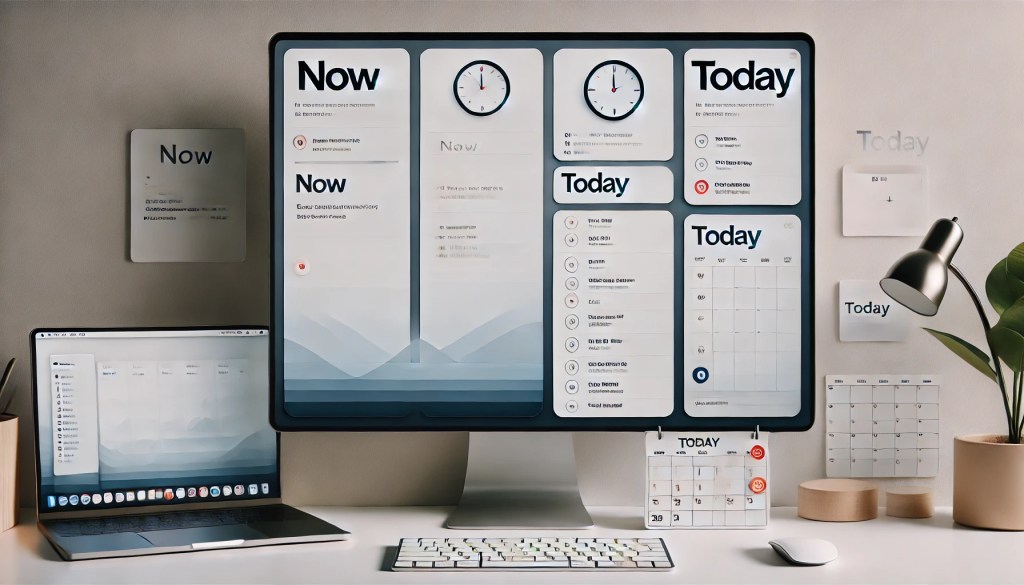
In the fast-paced world of business, managing deadlines effectively is crucial for success. As a sales professional, I have adopted a streamlined approach to managing my work that centers on the concept of two types of deadlines: “now” and “today.” This philosophy not only simplifies my workflow but also ensures that I remain productive and focused throughout the day. Here, I will share my insights into this method and how it can be applied to enhance efficiency in any professional setting.
The Philosophy of Deadlines
In my experience, there are only two types of deadlines that matter:
- Now
- Today
The “now” category includes tasks that require immediate attention. These are high-priority items that need to be addressed as soon as they arise. On the other hand, the “today” category encompasses tasks that must be completed by the end of the day. This binary approach to deadlines eliminates ambiguity and helps prioritize tasks effectively.
Immediate Action: The “Now” Tasks
When a task falls into the “now” category, it demands immediate action. Procrastination is not an option. By dealing with urgent tasks right away, I prevent them from piling up and becoming overwhelming. This proactive approach ensures that high-priority items are handled promptly, keeping the workflow smooth and efficient.
Daily Commitment: The “Today” Tasks
Tasks that are not urgent but still need to be completed within the day are categorized as “today” tasks. These tasks are placed on my desktop, creating a visual reminder of what needs to be done before the day ends. This practice allows me to maintain focus on the day’s objectives and ensures that nothing slips through the cracks.
The Clean Desktop Policy
A key aspect of my workflow is maintaining a clean and organized desktop. Ideally, I prefer to have nothing on my desktop at the end of the day. This habit serves as a daily ritual that marks the completion of my tasks and the end of my workday. By deleting all files from the desktop each evening, I start the next day with a clean slate, ready to tackle new challenges.
Simplified File Management
I do not believe in complex folder structures or local file storage for my work. All necessary data is uploaded to internal systems, making local folders redundant. My file management philosophy revolves around a single principle: “Do it or delete it.” If a file is not actively being worked on, it does not need to be stored locally.
Handling Tasks that Can’t Be Completed Today
Of course, in reality, there are tasks that cannot be completed within the day. For these, at the end of the day, I add them to my calendar schedule for the following day. This ensures that these tasks are prioritized as the first action items the next morning. This proactive scheduling helps manage longer-term projects without letting them slip through the cracks.
The Workflow Process
Here is a detailed look at how this workflow is implemented:
- Task Reception: Upon receiving a task, I immediately determine if it needs to be done “now” or can wait until “today.”
- Immediate Response: For “now” tasks, I begin work immediately, ensuring they are completed as quickly as possible.
- Daily Tasks: “Today” tasks are placed on my desktop, serving as a constant reminder throughout the day.
- End-of-Day Review: At the end of the day, I review my desktop. All completed tasks are deleted, leaving my desktop clean. Any tasks that couldn’t be completed are scheduled for the next day.
- Clean Slate: Starting each day with an empty desktop reinforces a sense of order and readiness for new tasks.
Enhancing Efficiency with Additional Tools
To further streamline my workflow, I use reminders for high-priority tasks and efficiency tools like task management software. These tools help keep track of progress and ensure that deadlines are met. Regularly reviewing my task management approach also allows me to identify areas for improvement and make necessary adjustments.
Conclusion
The simplicity of categorizing tasks into “now” and “today,” combined with a clean desktop policy, has significantly enhanced my productivity. This method reduces clutter, minimizes procrastination, and keeps me focused on what truly matters. By adopting this streamlined approach, professionals in any field can improve their efficiency and ensure that deadlines are consistently met. In the end, it’s all about maintaining a clear and organized workflow that allows for immediate action and daily commitment. And for those tasks that can’t be completed today, a simple scheduling adjustment ensures they are addressed promptly the next day.
 Atsushi's Life in Korea