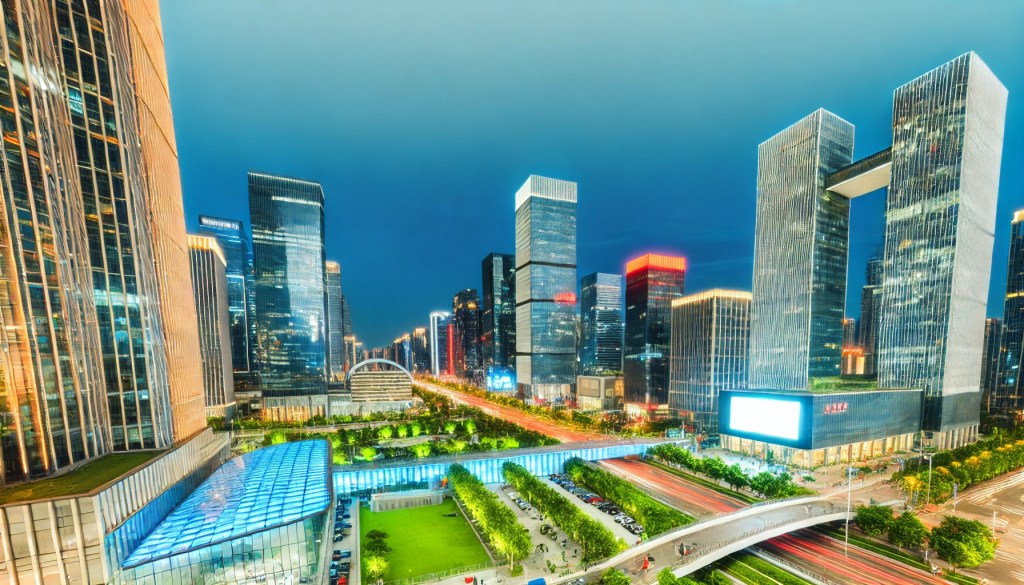
In Japan, school trips are a rite of passage for middle and high school students, offering a break from the classroom and a chance to learn in new environments. Traditionally, these trips have often taken students to historical and culturally rich domestic destinations like Kyoto and Okinawa. While these locations offer invaluable lessons in Japanese history and culture, there is a compelling argument to be made for expanding the scope of these trips to include international destinations such as Shanghai, Shenzhen, and Seoul. Doing so can play a crucial role in broadening students’ horizons, fostering a more global perspective, and preparing them for the challenges of the future.
Promoting Cross-Cultural Understanding
One of the most significant benefits of international school trips is the promotion of cross-cultural understanding. By visiting cities like Shanghai, Shenzhen, and Seoul, students can experience firsthand the diversity and richness of other cultures. These cities, with their blend of traditional heritage and cutting-edge modernity, provide a unique learning environment that is both inspiring and educational. Immersing in different cultures helps students develop empathy and respect for others, crucial traits in our increasingly interconnected world.
Broadening Economic Perspectives
Trips to these rapidly developing cities can also broaden students’ economic perspectives. Shanghai and Shenzhen are prime examples of cities that have undergone remarkable economic transformations. By observing these changes up close, students can gain insights into economic development, innovation, and global trade. Such experiences highlight the dynamic nature of global economies and underscore the importance of understanding international markets. This knowledge is invaluable, particularly as Japan continues to navigate its role within the global economy.
Realistic Comparisons and Awareness
Understanding Japan’s position in Asia and the world is vital for young people. By visiting other advanced cities in the region, students can make realistic comparisons and gain a better understanding of Japan’s strengths and areas for improvement. Witnessing the rapid technological advancements and urban developments in neighboring countries can serve as a wake-up call, challenging the often-held belief that Japan is the sole advanced nation in Asia. This awareness can inspire future generations to strive for innovation and progress within their own country.
Combating Xenophobia
Exposure to different cultures and ways of life is a powerful tool in combating xenophobia and narrow-mindedness. When students interact with people from diverse backgrounds, they are more likely to appreciate and celebrate differences rather than fear them. This is particularly important in a world where divisive rhetoric and xenophobic attitudes can easily take root. By fostering a spirit of openness and understanding from a young age, we can help cultivate a generation that is more inclusive and cooperative on the global stage.
Preparing for a Global Future
Ultimately, the goal of education is to prepare young people for the future. In an era defined by globalization, it is essential that students are equipped with a global perspective. International school trips are an effective way to achieve this. They provide students with real-world experiences that cannot be replicated in a classroom, encouraging them to think critically about their place in the world and their potential to effect positive change.
Conclusion
Expanding the destinations for Japanese school trips to include international cities like Shanghai, Shenzhen, and Seoul is more than just a change of scenery. It is an investment in the future of Japanese youth, equipping them with the knowledge, empathy, and perspective needed to thrive in a globalized world. By stepping outside their comfort zones and experiencing the rapid development and cultural richness of their neighboring countries, Japanese students can develop into well-rounded, globally-minded individuals ready to contribute to a more interconnected and cooperative world.
 Atsushi's Life in Korea