「wind」という単語には、名詞として「風」を意味する場合と、動詞として「巻き上げる」や「終わらせる」という意味を持つ場合があります。この記事では、「wind up with」の動詞としての使い方、語源、例文、そして会話例を詳しく説明します。
動詞としての「wind」
まず、動詞としての「wind」について説明します。
- 現在形: wind (/waɪnd/)
- 過去形: wound (/waʊnd/)
- 過去分詞形: wound (/waʊnd/)
動詞としての「wind」は「巻く」や「終わらせる」という意味があります。「wind up with」は、この動詞の意味から派生して、「結果として何かを得る」や「最終的に~になる」という意味になります。
名詞としての「wind」
- 名詞: wind (/wɪnd/)
- 意味: 風
例文:
- “The wind is blowing hard today.”
- (今日は風が強く吹いています。)
「Wind Up With」の意味
「wind up with」は、最終的に何かを得る、あるいは何かが結果として残ることを意味します。予期せぬ結果や意図しなかった結末を強調する際に使われることが多いです。
例文と日本語訳
- 現在形:
- “If you continue this way, you will wind up with more problems.”
- (このまま続けると、もっと多くの問題を抱えることになるでしょう。)
- 過去形:
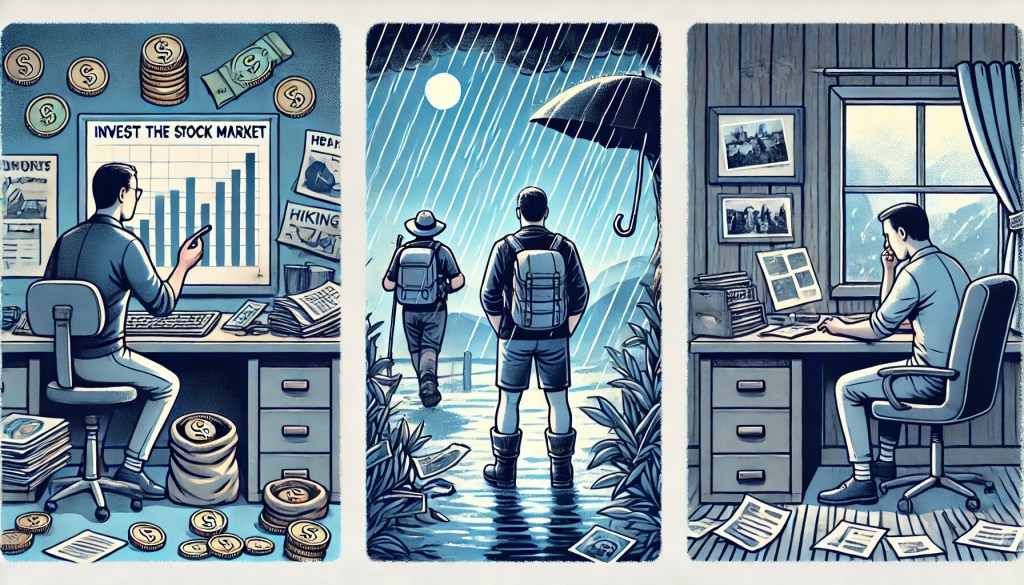
- “After investing all his money in the stock market, he wound up with nothing.”
- (彼は全ての資金を株式市場に投資した後、最終的には何も残りませんでした。)
- 過去完了形:
- “By the time she realized her mistake, she had already wound up with a lot of debt.”
- (彼女が自分の間違いに気づいたときには、すでに多額の借金を抱える結果になっていました。)
会話例と日本語訳
会話 1: ビジネスの失敗について
- Alice: “How did the new project go?”
- (新しいプロジェクトはどうだった?)
- Bob: “Unfortunately, we wound up with more expenses than profits.”
- (残念ながら、利益よりも多くの経費を抱える結果となったよ。)
会話 2: 旅行の計画について
- Emma: “Did you enjoy your trip to the mountains?”
- (山への旅行は楽しめましたか?)
- John: “We planned to go hiking, but we wound up with bad weather and had to stay indoors.”
- (ハイキングに行く予定でしたが、最終的には悪天候で室内にこもることになりました。)
会話 3: 探し物について
- Sarah: “Did you find the documents you were looking for?”
- (探していた書類は見つかりましたか?)
- Mike: “No, I didn’t find the documents but wound up with a lot of old photos instead.”
- (いいえ、書類は見つかりませんでしたが、代わりにたくさんの古い写真が出てきました。)
まとめ
「wind up with」という表現は、予期せぬ結果や意図しなかった結末を表すのに便利なフレーズです。「wind」が持つ「巻く」「終わらせる」という意味から派生したこの表現を理解することで、英語でのコミュニケーションをさらに豊かにすることができます。日常会話や文章で積極的に使ってみましょう。
 Atsushi's Life in Korea