「Betray Little Emotion」とは?英語の表現を解説します

英語の表現には、感情を表現する方法や、それを表現しない方法を示すものが多くあります。「betray little emotion」というフレーズは、まさに後者に該当します。このブログ記事では、「betray little emotion」という表現について、意味や使い方を解説し、具体的な例文や会話例を交えて説明します。

「Betray Little Emotion」の意味

「betray little emotion」とは、文字通りには「ほとんど感情を見せない」という意味です。「betray」という単語は通常、「裏切る」という意味で使われますが、このフレーズでは「(意図せず)表に出す」という意味で使用されています。そのため、「betray little emotion」は「感情をほとんど表に出さない」「感情を抑える」といった意味になります。

この表現は、特に難しい状況やストレスの多い場面で冷静さを保つ人や、感情を隠そうとする人を描写する際に使われます。

「Betray Little Emotion」の例文

「betray little emotion」を使った例文をいくつかご紹介します。

  1. 例文 1:
  • 英語: Despite the bad news, she betrayed little emotion and continued with her work.
  • 日本語訳: 悪い知らせにもかかわらず、彼女はほとんど感情を見せずに仕事を続けた。
  1. 例文 2:
  • 英語: The negotiator betrayed little emotion during the intense discussions.
  • 日本語訳: 交渉者は激しい議論の間もほとんど感情を見せなかった。
  1. 例文 3:
  • 英語: He betrayed little emotion when he heard the verdict.
  • 日本語訳: 判決を聞いた時、彼はほとんど感情を表に出さなかった。

「Betray Little Emotion」を使った会話例

次に、日常会話の中で「betray little emotion」を使ったやり取りの例を見てみましょう。

会話例 1:

  • A: Did you notice how calm she was during the crisis?
  • (危機の時に彼女がどれだけ冷静だったか気づいた?)
  • B: Yes, she betrayed little emotion, even when things got really tough.
  • (そうだね、状況が本当に厳しくなった時でも、彼女はほとんど感情を見せなかった。)

会話例 2:

  • A: How did he react to the criticism?
  • (彼は批判にどう反応したの?)
  • B: He betrayed little emotion, just nodded and walked away.
  • (彼はほとんど感情を見せず、ただ頷いて立ち去ったよ。)

会話例 3:

  • A: I expected him to get angry, but he didn’t show much emotion.
  • (彼が怒ると思ってたけど、あまり感情を見せなかったね。)
  • B: He tends to betray little emotion in stressful situations.
  • (彼はストレスの多い状況では感情をほとんど見せない傾向があるね。)

まとめ

「betray little emotion」という表現は、感情を表に出さない、もしくは感情を抑えている状態を描写するのに使われます。特にビジネスや交渉の場面、あるいは困難な状況で冷静さを保つ人を描写するのに適しています。

この表現を使うことで、相手の冷静さや感情をコントロールする能力を強調することができます。日常の英会話やビジネス英語でこの表現を使うと、感情の抑制や冷静さを効果的に伝えることができるでしょう。次回、感情をあまり表に出さない状況を説明する際には、この「betray little emotion」というフレーズをぜひ活用してみてください。

「Pat Response」とは?英語の表現を解説します

英語には、よく使われる表現がたくさんありますが、その中でも「pat response」というフレーズは、会話や文章で時折目にすることがあるかもしれません。このブログ記事では、この表現の意味と使い方を詳しく解説し、例文や会話例も交えて説明します。

「Pat Response」の意味

「pat response」は、直訳すると「すぐに出てくる答え」や「準備された返答」となります。これは、何か質問をされたり問題が提示された際に、あらかじめ用意されていたかのような、あるいは反射的に出てくる定型的な返答を指します。

この表現には、少しネガティブなニュアンスが含まれることが多く、深く考えずに自動的に出てくる答えであり、実際には問題に対して適切に対応していない、という意味合いが含まれることもあります。

「Pat Response」の例文

ここでは、「pat response」を使った例文をいくつかご紹介します。

  1. 例文 1:
  • 英語: The CEO gave a pat response to the criticism, saying that the company was always committed to quality.
  • 日本語訳: そのCEOは批判に対して「会社は常に品質にコミットしている」と定型的な返答をした。
  1. 例文 2:
  • 英語: When asked about the delay, the manager’s pat response was that they were working hard to meet the deadline.
  • 日本語訳: 遅れについて聞かれると、マネージャーは「締め切りに間に合わせるために一生懸命働いている」という即答をした。
  1. 例文 3:
  • 英語: His pat response to every problem is, “We’ll look into it.”
  • 日本語訳: 彼の問題に対する定型的な返答はいつも「調査します」というものだ。

「Pat Response」を使った会話例

次に、日常会話の中で「pat response」を使ったやり取りの例を見てみましょう。

会話例 1:

  • A: Why didn’t the company address the customer complaints?
  • (どうして会社は顧客の苦情に対応しなかったの?)
  • B: The manager just gave a pat response, saying they would look into it later.
  • (マネージャーはただ「後で調査する」と定型的な返答をしただけだった。)

会話例 2:

  • A: How did the politician respond to the environmental issue?
  • (その政治家は環境問題にどう答えたの?)
  • B: He gave a pat response, claiming that they are working on a solution.
  • (彼は「解決策に取り組んでいる」と言って即答したよ。)

会話例 3:

  • A: I asked the customer service about the problem, but they didn’t help much.
  • (カスタマーサービスに問題について聞いたけど、あまり役に立たなかったよ。)
  • B: Did they give you a pat response?
  • (定型的な返答をされたの?)

まとめ

「pat response」は、深く考えずに反射的に出てくる答えや、あらかじめ用意されたかのような定型的な返答を指します。この表現には、しばしば問題に対して十分に対応していないというニュアンスが含まれます。

ビジネスや日常の会話の中でこの表現を見聞きすることがあれば、それがどのような状況で使われているのか、相手の返答がどれだけ真剣に考えられたものなのかを判断する手がかりになるでしょう。次回、何かに対する返答を求められたときには、少し立ち止まって、考えた上で返答をすることを心がけてみてください。それが「pat response」を避ける第一歩です。

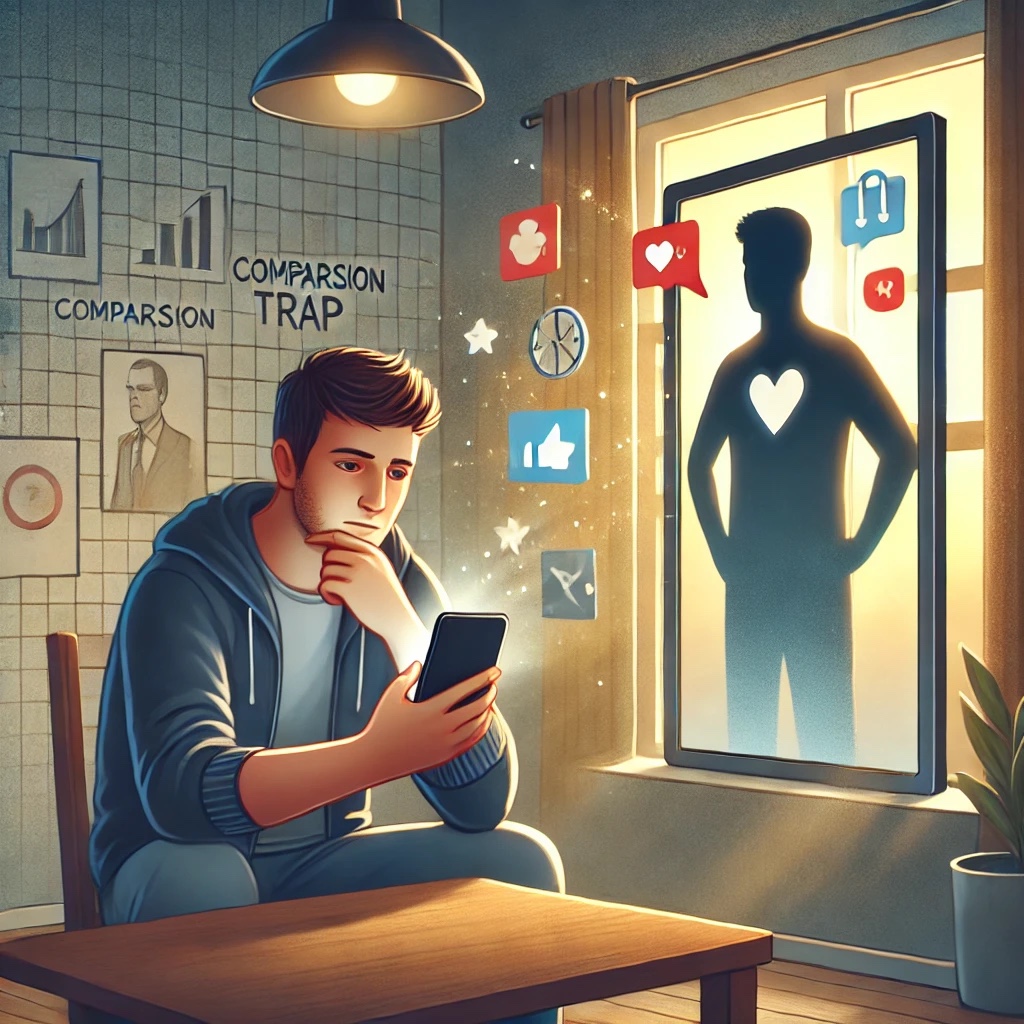
「Comparison Trap(比較の罠)」とは? その意味と対策

現代社会において、私たちは日々さまざまな情報に晒されています。特にソーシャルメディアの普及により、他人の成功やライフスタイルと自分を比較する機会が増えました。このような状況で陥りがちなものの一つが、「Comparison Trap(比較の罠)」です。この記事では、この「Comparison Trap」とは何か、その影響、そしてそれに対処する方法について解説します。

Comparison Trap(比較の罠)とは?

「Comparison Trap」とは、他人と自分を比較することで、ネガティブな感情を抱く心理状態のことを指します。特に、ソーシャルメディアで他人の成功や幸せな瞬間を見て、自分が劣っていると感じることが多いです。この罠に陥ると、自尊心が低下し、自己評価が歪められることがあります。

例えば、友人が豪華な旅行に行ったり、理想的なキャリアを築いているのを見て、自分の生活が見劣りしていると感じることがあるかもしれません。これが「Comparison Trap」の典型的な例です。

Comparison Trap の影響

「Comparison Trap」に陥ると、次のような影響を受ける可能性があります。

  1. 自尊心の低下: 自分を他人と比較することで、自己評価が下がり、自分が十分でないと感じることがあります。
  2. 焦りや不安: 他人の成功を見て、自分も同じように成功しなければならないというプレッシャーを感じることがあります。
  3. 満足感の喪失: 本来、自分の生活に満足していたはずが、比較によってその満足感が薄れてしまうことがあります。

Comparison Trap への対処法

  1. 意識的に比較を避ける: 自分が他人と比較しそうになる瞬間に気づき、その行動を止めることが重要です。自分自身の目標や価値観に集中することで、比較の罠から抜け出すことができます。
  2. 感謝の気持ちを持つ: 自分がすでに持っているものや、達成してきたことに感謝することは、比較の罠に陥らないための有効な方法です。
  3. ソーシャルメディアの使い方を見直す: ソーシャルメディアの使用を制限し、自分にとって有益でポジティブなコンテンツだけを見るようにすることが、Comparison Trap を避けるために有効です。

例文とその日本語訳

例文: “Falling into the comparison trap can damage your self-esteem.”
(比較の罠に陥ると、自尊心が損なわれる可能性があります。)

例文: “Social media often leads to a comparison trap, where people constantly measure their lives against others’.”
(ソーシャルメディアはしばしば比較の罠につながり、人々は他人と自分の生活を絶えず比較するようになります。)

会話例とその日本語訳

会話例 1:

  • Person A: “I saw Sarah’s new promotion on Instagram, and now I feel like I’m not doing enough in my career.”
  • Person B: “Don’t fall into the comparison trap. You’re doing great in your own path.”

日本語訳:

  • Aさん: 「インスタグラムでサラの新しい昇進を見て、自分のキャリアが十分でないように感じるんだ。」
  • Bさん: 「比較の罠に陥らないで。あなたは自分の道でしっかりと進んでいるよ。」

会話例 2:

  • Person A: “Why do I feel so down after scrolling through social media?”
  • Person B: “It sounds like you’ve fallen into the comparison trap. Remember, what you see online is just a highlight reel.”

日本語訳:

  • Aさん: 「ソーシャルメディアを見た後、どうしてこんなに落ち込むんだろう?」
  • Bさん: 「それは比較の罠に陥っているみたいだね。オンラインで見ているのはハイライトだけだということを忘れないで。」

まとめ

「Comparison Trap(比較の罠)」は、現代社会において誰もが陥りやすい心理状態です。他人と自分を比較することでネガティブな感情が生じ、自尊心が低下することがあります。しかし、意識的に比較を避け、自分自身の目標や価値観に集中することで、この罠から抜け出すことが可能です。ソーシャルメディアの使い方を見直し、感謝の気持ちを持つことで、より健全なメンタルを保つことができるでしょう。

The Emotional Toll of Social Media: Why Stepping Back Can Be Beneficial

In an age where social media is deeply embedded in our daily routines, it’s not uncommon to feel overwhelmed, anxious, or even sad after scrolling through your feeds. Platforms that were once seen as a means to connect with friends and family, share experiences, and discover new ideas have evolved into powerful tools of influence, comparison, and constant information overload. If you’ve found yourself feeling down after spending time on social media, you’re not alone. In fact, many people are choosing to step back from these platforms, and for good reason.

The Paradox of Connection

Social media was designed to bring people closer together, yet it often has the opposite effect. Instead of feeling connected, many users report feelings of loneliness, isolation, and inadequacy. This paradox arises from the nature of the content we consume. Social media platforms are carefully curated spaces where users present the highlights of their lives, often leaving out the mundane or difficult moments. It’s easy to forget that what you see online is just a fragment of someone’s reality—a highlight reel rather than the full story.

When you’re constantly exposed to images of success, beauty, and happiness, it can be difficult not to compare your own life to these seemingly perfect portrayals. This comparison trap can lead to feelings of inadequacy, jealousy, and sadness. Even if you’re aware that these posts don’t represent the whole truth, the cumulative effect of seeing them day after day can be emotionally draining.

The Burden of Information Overload

Beyond the curated content, social media also serves as a relentless stream of information. News, opinions, advertisements, and updates flood your feeds, often leaving little room for mental rest. The speed at which information is consumed on these platforms can create a sense of urgency and anxiety, making it difficult to process what you’ve seen or heard before moving on to the next post. This constant influx can leave you feeling overwhelmed, stressed, and even powerless in the face of global events or societal issues.

Moreover, the algorithms that drive social media platforms are designed to keep you engaged. They prioritize content that is likely to evoke strong emotional reactions, whether it’s joy, anger, or sadness. While this can create a sense of excitement and connection, it also means that your emotional well-being is at the mercy of a machine-driven system that thrives on your engagement, not your mental health.

The Power of Stepping Back

Given these challenges, it’s no surprise that many people are choosing to reduce their social media use or take breaks altogether. Stepping back from social media can offer several mental health benefits:

  1. Improved Mood and Mental Health: When you reduce your exposure to the often negative or comparison-inducing content on social media, you may notice an improvement in your overall mood. Without the constant stream of curated lives and stressful news, you’re less likely to experience the emotional rollercoaster that comes with social media use.
  2. Increased Presence and Mindfulness: With less time spent on social media, you can become more present in your daily life. You might find yourself more engaged in conversations, activities, and the world around you. This mindfulness can lead to a greater appreciation for the simple joys of life, which often go unnoticed when you’re focused on your phone.
  3. Enhanced Self-Esteem: By stepping back from social media, you give yourself the chance to break free from the comparison trap. Without the constant barrage of other people’s achievements and filtered images, you can focus more on your own life and what truly matters to you. This shift in focus can lead to improved self-esteem and a more positive self-image.
  4. Better Sleep and Focus: Studies have shown that excessive social media use, especially before bed, can negatively impact sleep quality. By reducing your time on these platforms, you may find that your sleep improves, along with your ability to focus on tasks without the distraction of checking your phone.

Finding a Balanced Approach

While it can be beneficial to step back from social media, it’s also important to recognize that these platforms do offer positive aspects, such as staying connected with loved ones, discovering new interests, and even finding support communities. The key is to find a balance that works for you.

Consider setting boundaries around your social media use, such as limiting the time you spend on these platforms each day, curating your feed to include more positive and uplifting content, or designating specific times for checking your accounts rather than mindlessly scrolling throughout the day. Additionally, regular digital detoxes—where you take a complete break from social media for a day, a weekend, or even longer—can help reset your relationship with these platforms and remind you of the joys of offline life.

Conclusion

Social media is a powerful tool that has the potential to both connect and isolate, uplift and depress. If you’ve found yourself feeling sad or overwhelmed after spending time on these platforms, it’s worth considering whether a step back might benefit your mental health. By reducing your social media use, you may find that you feel more present, content, and in control of your emotions. Remember, it’s okay to prioritize your well-being over the pressure to stay constantly connected. After all, the most important connection is the one you have with yourself.

「Immediate Team」とは何か?その重要性と具体例

Immediate Teamの定義

「Immediate team」という表現は、ビジネスの文脈でよく使われる言葉であり、「直接のチーム」や「直属のチーム」と訳されることが多いです。これは、特定のリーダーやマネージャーに直接報告する小規模なグループを指します。通常、このチームは日常的に密接に協力し、プロジェクトやタスクに関して直接的なコミュニケーションを行います。

Immediate Teamの重要性

Immediate teamの概念は、組織内での効率的な作業流れや意思決定プロセスに不可欠です。このチームのメンバーは、リーダーの直接の監督下で作業を進めるため、迅速かつ効果的なフィードバックと指導が可能となります。これにより、プロジェクトの遅延を防ぎ、目標達成に向けての一体感を育むことができます。

具体的な例文とその日本語訳

  • 例文: His immediate team consists of skilled developers who specialize in web design.
  • 日本語訳: 彼の直接のチームは、ウェブデザインを専門とする熟練開発者で構成されています。

Immediate Teamを使った会話例とその日本語訳

  • 会話例:
  • Manager: I need an update on the project status from your immediate team by tomorrow.
  • Team Leader: I’ll gather the information from my team and compile a report by the end of the day.
  • 日本語訳:
  • マネージャー: 明日までにあなたの直接のチームからプロジェクトの状況更新を必要としています。
  • チームリーダー: チームから情報を集めて、今日の終わりまでに報告書をまとめます。

まとめ

「Immediate team」は、組織内のスムーズな運営と効果的なコミュニケーションのために非常に重要な役割を果たします。このチームを通じて、リーダーは直接的な影響力を行使し、組織の目標に沿った成果を出すことが期待されます。チームの結束と協力を高めるために、明確なコミュニケーションと効果的な管理が重要です。

この記事が「Immediate team」の理解に役立ったことを願っています。このテーマに関して他にご質問や疑問があれば、是非コメントでお知らせください。

富裕層が税金を回避する巧妙な戦略とは?具体例でわかりやすく解説

はじめに

近年、富裕層がどのようにして膨大な富を築きながら、税金を極力抑えているのかが注目されています。この記事では、富裕層が活用している税回避の戦略について、具体例を交えてわかりやすく解説します。特に、なぜ彼らが「所得をゼロ」にできるのか、その仕組みに迫ります。

1. 含み益とは何か?

まず、「含み益」について理解しておく必要があります。含み益とは、資産(例えば株式)の価値が購入時よりも上がった状態を指しますが、まだその資産を売却していないため、実際に得た利益ではない部分です。

例:含み益の計算

例えば、ある富裕層Aさんが1億円で購入した株式の現在の価値が5億円に上がったとします。この場合、Aさんの含み益は4億円(5億円 – 1億円)です。この利益はまだ実現しておらず、Aさんが株を売却した時に初めて確定するものです。

2. 富裕層が使う税回避戦略

通常の人々であれば、収入に対して所得税が課されますが、富裕層は巧妙な戦略を用いてこれを回避しています。以下にその代表的な手法を説明します。

2.1 株を売却せずに資産を担保にお金を借りる

富裕層は株式を売却することで含み益を実現させる代わりに、その株式を担保に銀行からお金を借ります。この時、株式の価値が5億円であれば、Aさんはその一部を担保にして2億円を借りることが可能です。

2.2 借りたお金は「所得」ではない

借金は所得ではないため、借りた2億円には税金がかかりません。これにより、Aさんは多額の現金を手にしつつ、所得税を回避することができます。

2.3 ローンの延長(ロールオーバー)

さらに、富裕層は借りたお金の返済期限が来ても、銀行と交渉して低金利でローンを延長します。金利だけを支払えば良く、元本は返済しなくても良い場合が多いです。仮に金利が年1%であれば、2億円に対して年間200万円を支払うだけで、残りの資金は自由に使うことができます。

3. この戦略のメリットとその影響

このようにして、富裕層は表面上の「所得」をゼロに近づけることができます。これにより、彼らは高額な所得税を回避しながら、富を維持・拡大しているのです。

3.1 死後の相続と税金

Aさんが亡くなった場合、その資産は子孫に相続されます。相続時点で株式の価値がさらに上がって6億円になっていれば、相続税はこの6億円の価値に基づいて計算されます。ただし、相続時に株を売却して得た現金から借金を返済し、残った金額に対してのみ税金が課されるため、含み益に基づく税負担は大幅に軽減されます。

4. 民主党の提案とその実現性

このような税回避の戦略が広がる中、アメリカでは民主党が富裕層の税回避を抑制するためにいくつかの提案を行っています。

4.1 含み益への課税

民主党の一部では、売却していない資産の含み益に対して課税を行うべきだという意見があります。これにより、富裕層が株を売却せずに価値を維持しながら税金を回避するのを防ぐことが狙いです。

4.2 資産税の導入

また、資産全体に対して一定の税率を課す「資産税」の導入も提案されています。これにより、資産を現金化しない富裕層にも税負担がかかるようになります。

4.3 実現の難しさ

しかし、これらの提案は議会を通すのが難しく、現実的には富裕層やその利害関係者からの強い反発が予想されます。民主党としても、これらの提案が実際に通る可能性は低いことを理解しているようですが、格差是正を訴えることで有権者の支持を得るために、こうした政策を掲げています。

まとめ

富裕層が税金を回避するための戦略は、非常に巧妙で複雑です。しかし、このような状況が続くことで、社会全体の格差が広がっていくことも事実です。民主党が提案する改革が実現するかどうかは不透明ですが、こうした問題に対する社会的な議論が進むことが重要です。

ChatGPTを最大限に活用するためのプロンプト作成のコツ

ChatGPTは多岐にわたる質問に答えたり、情報を提供したりできる便利なツールですが、その効果はプロンプトの質に大きく左右されます。ここでは、ChatGPTに最適なプロンプトを作成するための具体的な方法を、初心者にも分かりやすく解説します。

1. 状況分析のフレームワークを使う

状況や必要な情報を整理する最初のステップとして、「5W1H」や「SWOT分析」などのフレームワークが有効です。

  • 5W1Hの活用例
  • 誰が(Who):「私のチームは、日本と韓国の市場で新しい半導体を販売しています。」
  • 何を(What):「市場シェアを拡大するための戦略が必要です。」
  • いつ(When):「2023年第4四半期にキャンペーンを開始予定です。」
  • どこで(Where):「主に東京とソウルの市場です。」
  • なぜ(Why):「競合他社に対抗し、シェアを確保するためです。」
  • どのように(How):「デジタルマーケティングと地元ディストリビューターを通じて。」
  • SWOT分析の活用例
  • 強み(Strengths):「当社は最先端の技術と優れた顧客サポートを持っています。」
  • 弱み(Weaknesses):「ブランド認知度が低いです。」
  • 機会(Opportunities):「新興市場が拡大しています。」
  • 脅威(Threats):「為替変動のリスクがあります。」

2. ブレインダンプ

考えていることを全て紙に書き出す「ブレインダンプ」を行い、後で重要な点を整理してプロンプトにまとめます。

  • ブレインダンプの具体例
  • 「新製品の特徴、ターゲット顧客、競合製品、販売戦略、予算、期待される売上目標など、考えられる全情報をリストアップする。」

3. 質問リストを作成

業務や問題に直接関連する質問をリストアップし、それを基にプロンプトを作成します。

  • 質問リストの例
  • 「どの市場で最も成長が見込まれますか?」
  • 「競合他社の成功事例にはどのようなものがありますか?」

4. ビジュアルツールの活用

情報を図式化することで、視覚的に整理しやすくなります。マインドマップやフローチャートを使ってみましょう。

  • マインドマップの使用例
  • 「製品特性、市場データ、競合情報を中心にマインドマップを作成し、それぞれの要素がどのように関連しているかを視覚的に表現する。」

5. 定期的なレビューとフィードバック

作成したプロンプトを定期的に見直し、ChatGPTの応答を評価して、必要な改善を行います。

  • レビューとフィードバックの例
  • 「毎月、使用したプロンプトと得られた応答を見直し、より効果的な質問や情報の提供方法を探る。」

このように、プロンプト作成には少しの練習と工夫が必要ですが、上記の方法を活用することで、ChatGPTをより効果的に使いこなすことができるようになります。毎日の業務に役立つツールとして、ぜひ積極的に使ってみてください。

「Pushing the Boundaries」とは?その意味と使い方を徹底解説

序章: 英語表現「Pushing the Boundaries」の概要

英語には挑戦や限界に挑む姿勢を表す多くの表現がありますが、「pushing the boundaries」は、その中でも特に意欲的な意味合いを持つフレーズです。直訳すると「境界を押し広げる」となりますが、実際の意味は「限界に挑戦する」や「既存の枠を超える」といったニュアンスを含みます。イノベーションや創造的なプロセスにおいて、新しい可能性を追求する姿勢を強調する際に頻繁に使用されます。

セクション1: 「Pushing the Boundaries」の意味と使い方

「Pushing the boundaries」は、既存の限界や常識にとらわれず、新しい挑戦を行うことを意味します。これは、科学、技術、芸術など、さまざまな分野での革新や進歩を表す際に非常に有効な表現です。例えば、科学者が新しい理論を提唱したり、アーティストが斬新なスタイルを開発したりする際に使われることが多いです。

このフレーズは、個人や組織が現状に満足せず、さらなる進歩や成功を目指していることを示すためにも使用されます。

セクション2: 例文と日本語訳

以下は「pushing the boundaries」を使った例文とその日本語訳です。

  • 例文 1: The research team is pushing the boundaries of what is known about quantum computing.
  • 日本語訳: その研究チームは、量子コンピュータについて知られている限界を押し広げている。
  • 例文 2: This artist is known for pushing the boundaries of traditional painting techniques.
  • 日本語訳: このアーティストは、伝統的な絵画技法の限界に挑戦することで知られている。

セクション3: 会話例と日本語訳

「pushing the boundaries」を日常会話でどのように使うか、具体例を見てみましょう。

  • 会話例 1:
  • A: Did you hear about the new AI project they’re working on?
  • B: Yes, they’re really pushing the boundaries of machine learning.
  • 日本語訳:
    • A: 彼らが進めている新しいAIプロジェクトの話を聞いた?
    • B: うん、彼らは機械学習の限界を本当に押し広げているよ。
  • 会話例 2:
  • A: This movie is so different from anything I’ve seen before.
  • B: The director is known for pushing the boundaries of cinema.
  • 日本語訳:
    • A: この映画、今まで見たことがないくらい斬新だね。
    • B: その監督は映画の限界に挑戦することで知られているんだよ。

結論: 「Pushing the Boundaries」の活用

「Pushing the boundaries」は、創造性や革新性をアピールしたい時に非常に役立つフレーズです。既存の枠にとらわれず、新しいことに挑戦する姿勢を強調する際に、ぜひ活用してみてください。この表現を使うことで、限界を超えて新しい領域に踏み出す意欲を表現できるでしょう。

「Locked in Fierce Competition」とは?その意味と使い方を徹底解説

序章: 英語表現「Locked in Fierce Competition」の概要

英語には、競争の激しさを表現する多くのフレーズがありますが、「locked in fierce competition」は、その中でも特に印象的な表現です。直訳すると「激しい競争に閉じ込められている」となりますが、実際の意味は「激しい競争に巻き込まれている」または「熾烈な競争を繰り広げている」というニュアンスを持っています。ビジネスやスポーツ、政治など、あらゆる競争の場面で使われることが多いフレーズです。

セクション1: 「Locked in Fierce Competition」の意味と使い方

「Locked in fierce competition」は、特定の競争相手と互いに譲らない激しい争いをしている状況を指します。ここでの「locked」は「閉じ込められている」という意味で、相手から逃れることができない、または逃れるつもりがない状況を表しています。「fierce」は「激しい」や「強烈な」という意味で、競争が非常に厳しいことを強調しています。

このフレーズは、特に企業間の競争やスポーツチーム同士の対決など、互いに激しく競り合っている状況を表現する際に使われます。

セクション2: 例文と日本語訳

以下は「locked in fierce competition」を使った例文とその日本語訳です。

  • 例文 1: The two tech giants are locked in fierce competition to dominate the smartphone market.
  • 日本語訳: その二大テック企業は、スマートフォン市場を支配するために激しい競争を繰り広げている。
  • 例文 2: In the global car industry, companies are locked in fierce competition to produce the most fuel-efficient vehicles.
  • 日本語訳: 世界の自動車産業では、各社が最も燃費の良い車を生産するために激しい競争に巻き込まれている。

セクション3: 会話例と日本語訳

「locked in fierce competition」を日常会話でどのように使うか、具体例を見てみましょう。

  • 会話例 1:
  • A: Have you seen the latest reports on Samsung and Apple?
  • B: Yes, they’re locked in fierce competition in the smartphone market.
  • 日本語訳:
    • A: 最新のサムスンとアップルに関する報告を見た?
    • B: うん、彼らはスマートフォン市場で激しい競争を繰り広げているね。
  • 会話例 2:
  • A: The election is coming up soon. How do you think it will go?
  • B: It’s hard to say. The candidates are locked in fierce competition right now.
  • 日本語訳:
    • A: もうすぐ選挙だね。どうなると思う?
    • B: 予想が難しいね。今、候補者たちは激しい競争に巻き込まれているから。

結論: 「Locked in Fierce Competition」の活用

「locked in fierce competition」は、競争の激しさをダイナミックに表現できる便利なフレーズです。ビジネスやスポーツ、政治など、さまざまなシーンで活用できるので、ぜひ覚えておきたい表現の一つです。競争が激しい状況を強調したい時に、適切に使ってみてください。

The Data Management Revolution in the AI Era: Samsung and SK Hynix Compete for the Future of Enterprise SSDs

Introduction: Why Enterprise SSDs Are Gaining Attention Now

We live in the “digital age,” where data plays a crucial role in almost every aspect of our lives. With the rapid advancement of AI (artificial intelligence), the ability to store and process data efficiently has become increasingly important. This is where SSDs (Solid State Drives) come into the spotlight. Unlike traditional hard disk drives (HDDs), SSDs are much faster and more reliable, making them a critical component in modern data storage solutions.

Samsung Electronics and SK Hynix, two of South Korea’s leading semiconductor companies, are currently locked in fierce competition in the SSD market. Particularly, enterprise SSDs (eSSDs) are essential for large-scale data centers and servers, making them vital to the future of the IT industry.

Section 1: Understanding the Difference Between SSDs and HDDs

First, let’s break down what SSDs actually are. Traditionally, computers and servers have used a type of storage device called a “HDD” or hard disk drive. HDDs work by physically spinning a disk to read and write data, which can sometimes be slow and prone to mechanical issues.

On the other hand, SSDs don’t use any moving parts. Instead, they store data electronically, which allows for much faster data access and greater durability. This makes SSDs a preferred choice in situations where speed and reliability are critical. Leveraging this technology, companies are now developing large-capacity SSDs specifically designed for enterprise use.

Section 2: Samsung’s Cutting-Edge Technology

Samsung Electronics is a global leader in the semiconductor industry, constantly pushing the boundaries with its latest SSD technology. Recently, Samsung announced the development of a massive 128TB (terabyte) enterprise SSD, which is set to hit the market in November 2024. To put this into perspective, the storage capacity of this SSD is several times larger than what you would find in a typical consumer computer.

This new SSD uses a technology called “QLC (Quad-Level Cell) NAND Flash,” which allows it to store four bits of data per memory cell. This means that more data can be stored in the same physical space, enabling Samsung’s SSDs to handle larger amounts of data more efficiently and at higher speeds than previous models.

Section 3: SK Hynix’s Countermeasure and Market Trends

SK Hynix is not far behind. As South Korea’s second-largest semiconductor manufacturer, SK Hynix plays a significant role in the enterprise SSD market. The company’s subsidiary, Solidigm, has already introduced a 64TB enterprise SSD to the market, directly competing with Samsung’s offerings.

According to recent reports, the enterprise SSD market is rapidly expanding, with the first quarter of 2024 seeing a 62.9% growth in market size compared to the same period the previous year. This growth is driven by the increasing demand for data processing capabilities, fueled by advancements in AI technology.

Conclusion: Enterprise SSDs as the Future of Data Management

As the AI era continues to unfold, the amount of data that businesses need to manage is growing exponentially. High-performance, large-capacity SSDs are becoming indispensable tools for efficiently storing and utilizing this data. The competition between Samsung Electronics and SK Hynix is not just about market share; it’s about shaping the future of data management technology.

South Korea’s semiconductor industry is already recognized as one of the best in the world, and its influence in the global market is only expected to grow. Understanding the significance of this competition helps us appreciate how these technological advancements will impact our lives and the broader IT landscape in the years to come.

AI時代のデータ管理革命:サムスンとSKハイニックスが競う企業向けSSD市場の未来

序章:なぜ今、企業向けSSDが注目されているのか?

現代は「デジタル時代」と呼ばれ、私たちの生活のあらゆる場面でデータが活用されています。特に、AI(人工知能)の発展により、データを効率的に保存し、素早く処理することがますます重要になっています。これに応える技術が「SSD(ソリッドステートドライブ)」です。SSDは、従来のハードディスクドライブ(HDD)に代わり、データを高速に処理できる記憶装置として注目されています。

サムスン電子とSKハイニックスは、韓国を代表する半導体メーカーであり、現在、このSSD市場で激しい競争を繰り広げています。特に、企業向けSSD(eSSD)は、大規模なデータセンターやサーバーで使用される重要な部品で、今後のIT業界の発展に不可欠な存在です。

セクション1:SSDとHDDの違いを知ろう

まず、SSDとは何かを簡単に説明します。従来、私たちが使っていたパソコンやサーバーには「HDD」という記憶装置が使われていました。HDDは、ディスク(円盤)を物理的に回転させ、その表面にデータを書き込む方式を採用しています。このため、データの読み書きに時間がかかることがありました。

一方、SSDはディスクを使わず、電子的にデータを保存します。これにより、データの読み書きが非常に高速で行えるのが特徴です。また、HDDに比べて耐久性が高く、衝撃にも強い点が優れています。このSSD技術を活用して、企業向けの大容量SSDが開発されています。

セクション2:サムスン電子の最先端技術とは?

サムスン電子は、世界でもトップクラスの半導体メーカーで、最新のSSD技術を駆使して業界をリードしています。最近では、128TB(テラバイト)という驚異的な容量を持つ企業向けSSDを開発し、2024年11月に市場投入を予定しています。128TBというのは、普通の家庭用パソコンに搭載されるSSD容量の何十倍もの大きさです。

この新型SSDは、「QLC(クアッドレベルセル)NANDフラッシュ」という技術を採用しています。QLC技術は、一つのメモリセルに4つのデータビットを保存できるため、より多くのデータを少ないスペースで保存できるのが特徴です。これにより、サムスンのSSDは、従来よりも高速かつ大容量でのデータ処理を可能にしています。

セクション3:SKハイニックスの対抗策と市場の動向

一方で、SKハイニックスも負けてはいません。SKハイニックスは、サムスンに次ぐ韓国の大手半導体メーカーであり、特に企業向けSSD市場では重要な存在です。同社の子会社であるソリダイムは、サムスンに対抗するために、64TBの大容量SSDを開発し、すでに市場に投入しています。

最近の報告によると、企業向けSSD市場は急速に拡大しており、2024年の初めにはさらにその規模が大きくなる見込みです。市場調査会社トレンドフォースによれば、2023年第1四半期には、企業向けSSDの市場規模が前年同期比で62.9%も拡大しました。この成長は、AI技術の発展とともにデータ処理の需要が増え続けていることが背景にあります。

結論:未来のデータ管理を担う企業向けSSD

AI時代が本格化する中で、企業が保有するデータ量は爆発的に増加しています。このデータを効率よく保存し、活用するためには、高性能かつ大容量のSSDが不可欠です。サムスン電子とSKハイニックスの競争は、こうした未来のデータ管理を支える技術の発展に直結しており、私たちの生活やビジネスに大きな影響を与えるでしょう。

韓国の半導体産業は、世界でもトップレベルの技術を誇り、今後もグローバル市場でその存在感を強めていくことが予想されます。技術に詳しくない方でも、この競争の意味を理解することで、未来のIT産業の動向に興味を持っていただければ幸いです。

How AI is Revolutionizing the Future of Online Shopping: Insights from Korean Companies

The world of online shopping is undergoing a significant transformation. Traditionally, shopping platforms focused on keeping users on their sites for as long as possible. However, leading Korean companies are now pioneering a shift in strategy, leveraging advancements in AI technology to help customers shop quickly and conveniently. This article explores this major paradigm shift, highlighting specific examples from innovative Korean businesses.

The Old Strategy: Increasing Dwell Time

In the past, the goal of online shopping platforms was to keep users engaged on their sites for extended periods. The idea was that the longer customers stayed, the more likely they were to make a purchase. For instance, major shopping sites in Korea would offer a wide range of product options and engaging content, encouraging users to spend time browsing and comparing items. This approach was akin to the experience of window shopping in a physical mall, where customers leisurely explore different stores.

However, this strategy had its drawbacks. With too many choices, users often felt overwhelmed and experienced “decision fatigue,” which led them to abandon their carts without making a purchase. To counter this, platforms introduced recommendation features to help guide users, but these solutions had their limitations.

The New Strategy: Faster, More Convenient Shopping

This is where AI technology comes into play, fundamentally changing the shopping experience. One of the frontrunners in this new approach is the Korean fashion platform W Concept (더블유컨셉). This company has implemented an AI-powered personalized recommendation service that analyzes a user’s search history, clicks, and purchase patterns to suggest the most relevant products. For example, if a user searches for “summer dresses,” the AI will quickly present a curated selection based on their past preferences, allowing them to find the perfect item without having to sift through hundreds of options. Since introducing this AI-driven feature, W Concept has seen a 26% increase in conversion rates from June to July compared to the previous two months.

Cross-Category Recommendations: The Case of Ably (에이블리)

Another innovative example comes from the Korean platform Ably (에이블리), which has taken AI integration a step further by offering cross-category recommendations. This service suggests complementary products from different categories when a user is browsing or purchasing a specific item. For instance, if a user is shopping for office wear, the AI might also suggest beauty products or home office supplies that match the user’s style. This holistic approach not only enhances the shopping experience but also increases the likelihood of additional purchases. In fact, Ably reported that in July 2023, the number of customers buying across multiple categories grew by 80% compared to the same period the previous year.

Further Advancements in AI: The Example of Kurly (컬리)

Kurly (컬리), a leading online grocery retailer in Korea, is also harnessing AI to enhance the shopping experience. Kurly’s AI-driven recommendation system suggests related products based on what a user has added to their cart. For example, if a user adds milk to their cart, the AI might recommend complementary items like cereal or coffee.

Kurly has also introduced an AI-powered image search feature, which allows users to upload a photo of a product instead of searching by name. The AI then identifies the product or suggests similar items, making it easier for users to find what they’re looking for, even if they don’t know the exact name. This is particularly useful for discovering new or hard-to-find products, making shopping faster and more intuitive.

Reducing Consumer Effort

Industry experts note that when a platform offers too many options, users spend more time searching and are less likely to complete a purchase. AI helps to solve this problem by reducing the time and effort required to find the right products, thereby enhancing the overall shopping experience.

Korean companies are leading the charge in this new strategy, significantly improving the convenience and efficiency of online shopping. As this trend continues to spread globally, we can expect online shopping to become even more streamlined and enjoyable for consumers.


As AI technology continues to evolve, Korean shopping platforms are at the forefront of a major paradigm shift. Rather than trying to keep users on their sites for as long as possible, these platforms are now focused on helping customers shop quickly and easily. This change is set to make the future of shopping more convenient and efficient than ever before.