Embracing the Paradox: The Intersection of Welfare State Ideals and Entrepreneurship

As I reflect on my personal journey, I find myself navigating a fascinating crossroads between the ideals of a welfare state and the values of entrepreneurship. This might seem like a paradox at first glance, but I believe it offers a unique perspective on how we can approach societal and personal growth.

The Evolution of My Ideology

My journey began with a firm belief in the principles of a welfare state. I was, and continue to be, a proponent of social justice, equitable access to healthcare, education, and a safety net for the most vulnerable in society. However, my experiences in commission-based sales and entrepreneurship brought a new dimension to my worldview.

The Entrepreneurial Shift

Working in sales, I learned the value of independence, self-reliance, and taking personal responsibility for one’s success. This entrepreneurial spirit, which emphasizes innovation, risk-taking, and self-sufficiency, seemed initially at odds with my liberal ideals. But as I delved deeper, I realized that these values complement rather than contradict each other.

The Intersection of Ideals

The welfare state and entrepreneurialism need not be mutually exclusive. In fact, they can form a symbiotic relationship. The security and equality provided by a welfare state create a fertile ground for entrepreneurial ventures. People are more likely to take risks and innovate when they know there’s a safety net to catch them in case of failure.

Personal Responsibility and Social Welfare

One of the most significant insights I gained is the importance of personal responsibility. Accepting that our actions and decisions shape our lives can be liberating. It encourages a proactive approach to life. However, this doesn’t diminish the role of societal structures in supporting individuals. Personal empowerment and social welfare programs can coexist, ensuring that while individuals strive for personal growth, they are not left to face life’s challenges alone.

A Balanced Approach

This balanced approach advocates for a society where individuals are encouraged to be self-reliant and innovative, while still ensuring that basic needs and rights are accessible to all. It’s about creating an environment where both individual aspirations and collective welfare are nurtured.

Conclusion: A Harmonious Coexistence

In embracing both welfare state principles and the entrepreneurial spirit, I’ve realized that my ideology is not contradictory but rather complementary. It represents a holistic approach to societal development, recognizing the importance of both individual initiative and collective support. This synergy of ideas might just be the key to building more resilient and dynamic communities.


This exploration into the convergence of seemingly disparate ideologies has been an enlightening journey. It underscores the idea that in the rich tapestry of societal and personal ideologies, embracing a spectrum of ideas can lead to a more nuanced and effective approach to life and governance.


Navigating the Competitive Waters of Commission-Based Sales: Strategies for Success

In the high-stakes world of commission-based sales, the pressure is always on. Every colleague is a rival; each new customer, a prize to be won first. This intense environment can often lead to a tense atmosphere among team members, making it challenging to foster camaraderie. Here’s a closer look at the dynamics of such a workplace and strategies to navigate through this competitive terrain while maintaining personal and professional well-being.

Understanding the Landscape

Commission-based sales jobs are inherently competitive. Success directly impacts income, driving a high-performance culture. However, this environment can sometimes lead to strained relationships among colleagues, as everyone is vying for the same clients and sales targets.

Enhancing Communication

The first step towards improving this situation is strengthening communication. Engaging in conversations beyond work-related topics can build mutual understanding and respect. Sharing personal interests or discussing hobbies can break the ice and reduce workplace tension. This approach fosters a more collaborative atmosphere, even in a competitive setting.

Balancing Competition and Collaboration

While competition can be motivating, finding opportunities to collaborate with colleagues can lead to innovative strategies and solutions. Sharing insights or teaming up for joint projects can be beneficial. This approach not only enhances individual performance but can also contribute to a more positive team dynamic.

Prioritizing Self-Care

When facing a slump in sales performance, stress levels can skyrocket. It’s crucial to prioritize self-care to maintain both mental and physical health. Regular breaks, engaging in hobbies, or exercise can rejuvenate the mind and body. A well-rested and healthy individual is more likely to perform better at work.

Seeking Mental Health Support

If work stress or interpersonal issues become overwhelming, seeking professional advice can be a wise move. Counseling or mental health support services provide an outlet to discuss challenges and discover new perspectives or solutions. This support can be invaluable in finding ways to cope with the pressures of a commission-based sales job.

Conclusion

Navigating the competitive environment of commission-based sales requires more than just sales skills; it demands emotional intelligence, self-care, and the ability to find a balance between competition and collaboration. By fostering better communication, seeking collaborative opportunities, prioritizing self-care, and being open to professional support, sales professionals can not only achieve success but also enjoy a healthier, more fulfilling work life. In this challenging field, maintaining a balance is key to not just surviving but thriving.

Breaking Gender Stereotypes: Embracing Emotional Expression in Men

Understanding the Issue

In many cultures, there’s a prevailing stereotype that men must adhere to a certain stoic, unemotional demeanor. This cultural norm often stifles men’s ability to express admiration for things considered ‘cute’ or openly exhibit tender emotions, typically associated with femininity. This phenomenon is not just a minor inconvenience but a significant aspect of gender inequality that needs addressing, and interestingly, it falls within the scope of feminism.

Feminism and Men’s Issues

Feminism, often misunderstood as a movement solely for women’s rights, has a broader agenda of challenging gender-based inequalities and stereotypes. It aims to dismantle the societal norms that confine both men and women into rigid roles. The freedom for men to express themselves, including the liberty to find things cute or express emotions typically labeled as feminine, is a fight against gender stereotypes, aligning perfectly with feminist objectives.

Societal Norms and Emotional Repression

The societal expectation for men to be perpetually strong, unemotional, and detached from anything perceived as ‘feminine’ is a form of emotional repression. It not only perpetuates gender inequality but also harms mental health. By enforcing a narrow view of masculinity, society deprives men of the rich emotional experiences that are part of being human.

The Psychological Impact

The inability to express emotions freely can lead to numerous mental health issues in men, including depression, anxiety, and emotional exhaustion. The pressure to conform to an unrealistic standard of masculinity can be incredibly damaging, making it crucial for societal norms to evolve.

Feminism’s Role in Change

Feminism advocates for a world where emotional expression is not gendered but seen as a human trait. It seeks to create an environment where men can openly express their fondness for things they find cute, or share their emotional vulnerabilities without fear of judgment or ridicule. This liberation from traditional gender norms is beneficial for all genders.

Moving Forward

To create a more inclusive and healthy society, it’s vital to encourage emotional expression and vulnerability in men. This includes challenging and changing the narrative around masculinity and emotions. Education, open dialogues, and positive representations in media can play a significant role in this transformation.

Conclusion

The journey towards gender equality is not just about uplifting one gender but about creating a balanced society where all individuals can freely express themselves without the constraints of outdated stereotypes. Embracing emotional expression in men is a crucial step in this journey, aligning with the core principles of feminism. It’s about time we redefine what it means to be masculine and, in doing so, foster a more empathetic and understanding society.

Understanding the Nuances of Japanese Pronunciation: A Deep Dive into the ‘ん’ Conundrum

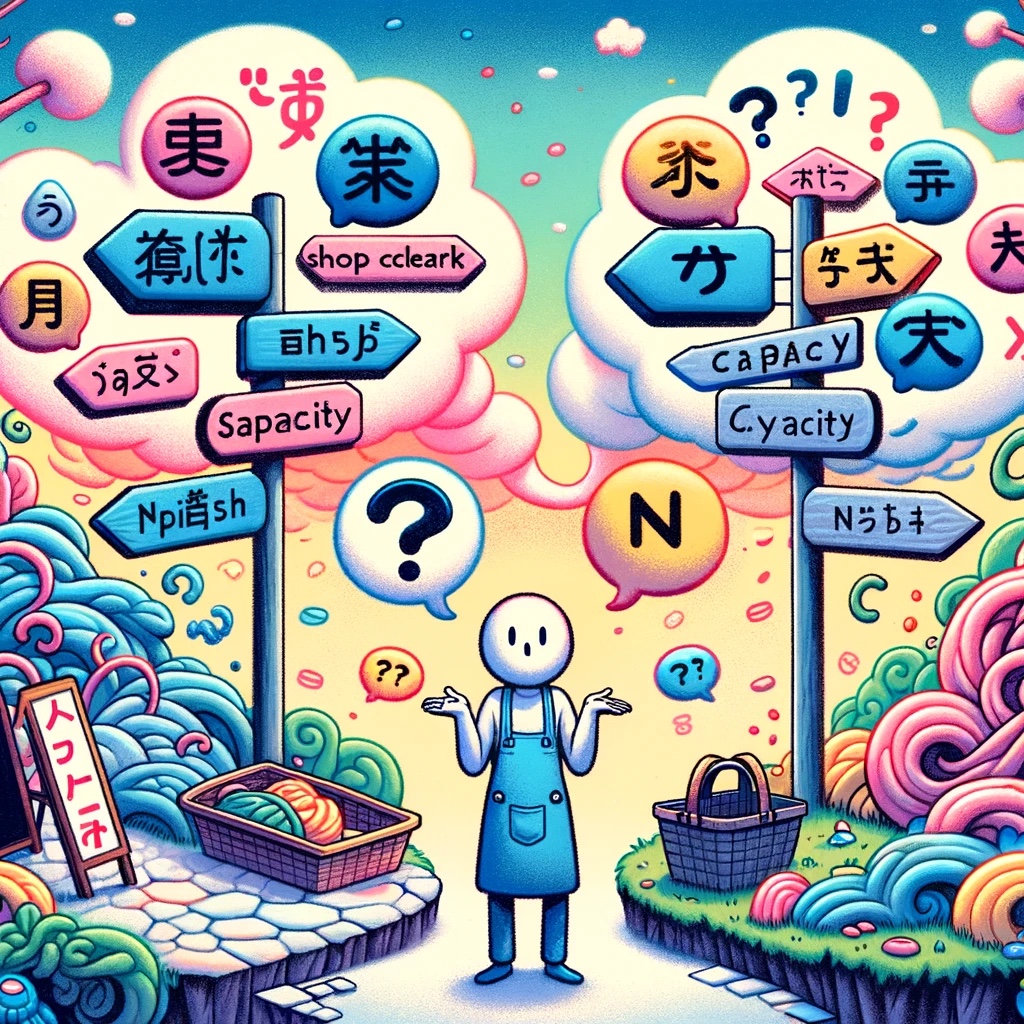
The Intriguing Case of ‘店員’ and ‘定員’

Recently, a fascinating observation made waves on Twitter involving the Japanese language, particularly a common typing error where ‘店員’ (shop clerk) was mistakenly written as ‘定員’ (capacity). This incident isn’t just a mere typo but rather a window into the intricate world of Japanese phonetics, especially the unique pronunciation of ‘ん’ (n).

The Chameleon of Japanese Phonetics: ‘ん’

The Japanese ‘ん’ holds a special place in the language’s phonetic landscape. Unlike anything in English or many other languages, this sound morphs dramatically based on the following consonant or vowel. When ‘ん’ precedes a vowel, as in ‘店員’ (‘tenin’), its sound almost vanishes, elongating the succeeding vowel. This phonetic phenomenon can lead to auditory ambiguities, making ‘店員’ sound eerily similar to ‘定員’ (‘teiin’).

The Linguistic Implications

This characteristic of ‘ん’ is not just a linguistic curiosity; it showcases the depth and complexity inherent in language. For native speakers, this nuance is navigated with ease, but for learners of Japanese, it presents a fascinating challenge. The variation in ‘ん’s’ pronunciation underscores the importance of context in understanding spoken Japanese.

Technology and Language: A Complicated Relationship

The ‘店員’ vs ‘定員’ mix-up also highlights the intersection of language and technology. Japanese input systems, which often provide multiple character options for the same phonetic input, can sometimes be tricked by these phonetic nuances. This raises intriguing questions about how technology can and should adapt to accommodate the unique aspects of language.

The Joy of Learning and the Complexity of Communication

For learners of Japanese, understanding the subtleties of ‘ん’ is crucial, not just for accurate pronunciation but also for understanding the cultural richness embedded in linguistic idiosyncrasies. It reflects the joy and complexity of learning a new language, where even a small sound can open up a world of meaning.

Conclusion

The Twitter typo involving ‘店員’ and ‘定員’ is more than just a humorous mishap. It’s a testament to the intricacies of Japanese phonetics and a reminder of the continuous interplay between language, culture, and technology. As we delve deeper into understanding these nuances, we unlock more layers of this fascinating language, appreciating both its complexity and its beauty.

The Asymmetry of Political Scandal Responses: A Reflection on Progressive vs. Conservative Politicians

In the realm of politics, the reaction to scandals often appears to be heavily influenced by the ideological leanings of the politicians involved. This phenomenon raises questions about fairness and media bias, highlighting a significant disparity in the treatment of progressive and conservative figures.

When a progressive, civic-minded politician is embroiled in a scandal, the uproar is immediate and intense. Media outlets and public forums are abuzz with discussions, criticisms, and often a rush to judgment. The intensity of the reaction can be likened to a frenzied pursuit, with relentless scrutiny and widespread condemnation. This heightened attention can have a profound impact on the politician’s career and public image, often leading to a swift downfall.

In stark contrast, when similar scandals involve right-wing or conservative politicians, the response is markedly muted. The same level of scrutiny and moral outrage is conspicuously absent. This discrepancy is not only perplexing but also deeply troubling. It suggests an imbalance in how political figures are held accountable for their actions, influenced by their political affiliations rather than the nature of their misconduct.

This disparity raises several critical questions. Is the media inherently biased towards progressive politicians, amplifying their missteps while downplaying those of their conservative counterparts? Or does this reflect a broader societal bias, where progressive ideals are held to a higher standard, and thus their proponents are judged more harshly?

Moreover, this imbalance has serious implications for democratic societies. If politicians are not held to consistent standards, public trust in the political system can erode. The perception that some are “above the law” or immune to the consequences faced by others undermines the principles of equality and justice that are foundational to democratic governance.

In conclusion, the differing reactions to political scandals based on ideological lines reveal a worrying inconsistency in our political and media landscapes. It is imperative for the health of our democracies that all politicians, regardless of their political leanings, are held to the same standards of accountability and ethics. Only then can we ensure a fair, just, and equitable political system.

The Ever-Changing Landscape of Social Media: A Personal Journey

My first encounter with social media was during my sophomore year at the University of Tokyo with a Japanese platform called Mixi. It was a simple tool to connect with acquaintances from Tokyo University. We shared daily photos and, later on, job frustrations.

Soon after, while studying at Nanjing University in China, an American roommate introduced me to Facebook. Like Mixi, Facebook served as a bridge to my Tokyo and Nanjing networks. These platforms were more than just digital spaces; they were extensions of my social life.

Then came Twitter, a platform with an unprecedented scale of network expansion and influence. Initially, I connected with friends under my real name, but I later created an anonymous account to engage with activists and advocates for anti-discrimination movements.

The breadth of Twitter’s network reminded me of an episode from the Japanese manga “Doraemon,” where a door suddenly links the protagonist’s room with a distant star. The characters embark on grand adventures and forge friendships with aliens, only to have the door to the cosmos abruptly close, mirroring the transient yet intense connections made through Twitter.

One instance on Twitter particularly stands out. A young user was explaining the allure of Twitter to an elderly person unfamiliar with it. The senior, having once enjoyed amateur radio, instantly grasped the thrill of connecting with unknown individuals across the globe. This story highlights the excitement of discovering unknown worlds and the ephemeral nature of such encounters.

Perhaps, social networking sites (SNS), especially Twitter, are more than tools; they amplify the joys and loneliness of human relationships. As I find myself drifting away from these platforms, I can’t help but wonder how my engagement with the internet will evolve. Will I find a new digital door to unknown adventures, or will I seek a more tangible connection in the physical world?

Social media has undeniably reshaped our social interactions, serving as both a gateway to global connections and a mirror reflecting our collective consciousness. As we navigate this ever-evolving digital landscape, we continue to seek meaningful connections, whether through a screen or face-to-face.

Secret Santa Fun at the Office!

Last month, our company decided to embrace the festive spirit by organizing a Secret Santa event. It was an intriguing game where each of us was randomly assigned a colleague to secretly treat well for a month, without revealing our identities.

Today was the big reveal! We finally disclosed who was whose Secret Santa and exchanged gifts. The excitement in the air was palpable as we all gathered, eagerly anticipating the unmasking of our secret gift-givers.

I had a hunch about who my Secret Santa was, and it turns out I was right! Interestingly, my assigned person had also guessed that I was their Secret Santa. It was a fun coincidence that added an extra layer of amusement to the whole experience.

The joy of Secret Santa lies not just in receiving gifts, but in the secretive acts of kindness and the guessing game that goes on for weeks. It’s a wonderful way to build camaraderie and spread cheer in the workplace. Even though some of us guessed our Santas, the spirit of fun and mystery remained intact.

This event brought us closer as a team, and it was heartwarming to see everyone’s efforts in keeping the secret and choosing thoughtful gifts. It’s these little traditions that make the holiday season special and create lasting memories.

In conclusion, our Secret Santa was a resounding success. It was a delightful blend of suspense, joy, and holiday cheer, reminding us of the importance of appreciating each other not just as colleagues, but as people who can bring joy into each others’ lives. I’m already looking forward to next year’s Secret Santa and the new surprises it will bring!

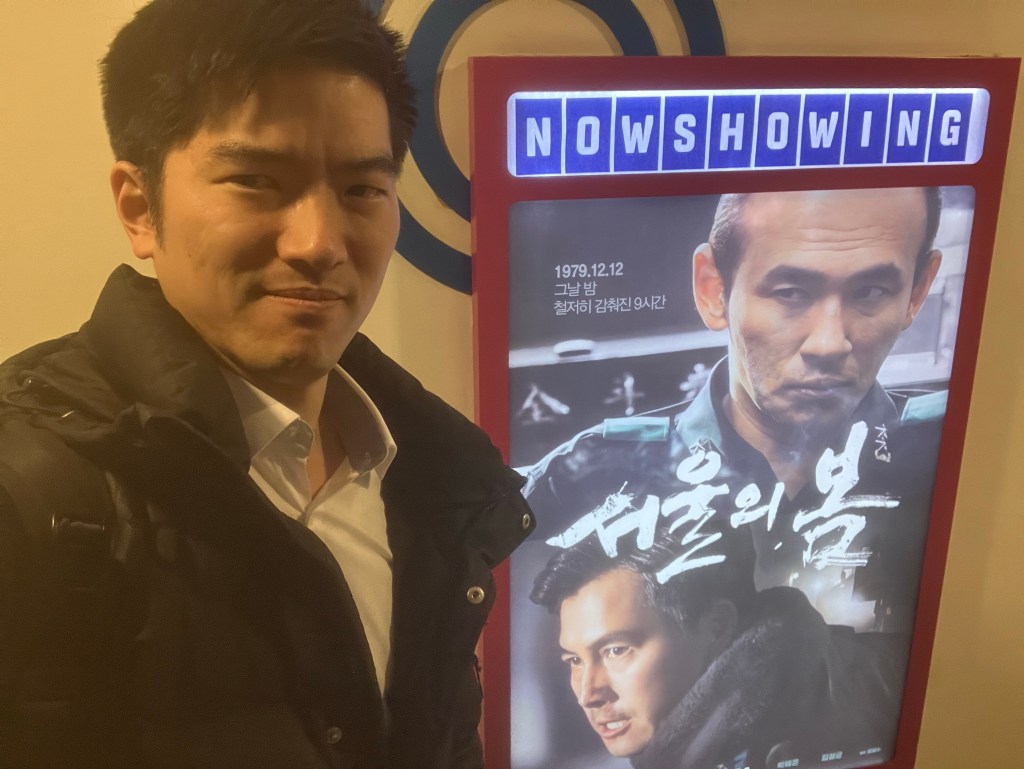
“12.12: The Day”(“서울의 봄”:The Spring of Seoul) A Cinematic Journey Through South Korea’s Tumultuous History

In the dim afterglow of the movie theater, “12.12: The Day” or literally “The Spring of Seoul” left me with a contemplative silence, pondering over the delicate dance of power and the pivotal role of civilian governance in shaping history. This film does more than recount South Korea’s second military coup; it delves deep into the heart-wrenching struggle for democracy in the shadow of autocracy.

With Jung Woo-sung’s commanding presence, the film brings to life the chilling days when military might overpowered civilian voices, underscoring the urgency for civilian control in governing structures. His portrayal is not just of a character but of an ideal, the cool demeanor masking a simmering defiance against the oppressive regime.

The film’s most striking moment—a dramatic reenactment of the civilian president being coerced to approve documents under the watchful eyes of generals—resonates profoundly. As the coup leader, Chun Doo-hwan, reaches to claim the signed document, President Choi Kyu-ha pulls it back to add the date and time. This subtle act of resistance, a last stand of a president overpowered by military insurgents, is a powerful commentary on the struggle to maintain a semblance of order and dignity amidst the chaos.

This scene is a cinematic embodiment of the internal turmoil faced by leaders who find themselves at the mercy of forces beyond their control. It is a visual metaphor for the tension between military might and the principles of democracy—a poignant reminder of the often-unseen battles fought in the silent chambers of power.

“The Spring of Seoul” is not merely a historical recount; it is a riveting narrative that captures the essence of an era defined by its struggle for democratic integrity. It is a film that speaks volumes about the importance of civilian oversight in the halls of power and the resilience of the human spirit in the face of authoritarianism.

As the story of “The Spring of Seoul” unfolds, we are transported to a time of political upheaval, witnessing the delicate interplay of force and resistance. The film stands as a testament to those who stand defiant in the face of despotism, those who, despite the odds, leave their mark on history, however small it may seem.

Leaving the theater, one cannot help but feel a sense of solidarity with those who fought for democracy, inspired by their courage and the film’s poignant portrayal of their struggles. “The Spring of Seoul” is a stark reminder of the past’s lessons and a call to remember the enduring need for a government of the people, by the people, for the people. It is a cinematic masterpiece that echoes with the voices of history, urging us never to forget the price of freedom and the value of a civilian-led democracy.

The Imperative of Protecting Democracy: A Stand Against Military Coups

In the landscape of modern governance, the concept of democracy stands as a beacon of hope, embodying ideals of liberty, equality, and the rule of law. At its core, democracy is government by the people, for the people, and of the people. However, this cherished form of governance, which thrives on the participation and consent of the governed, faces numerous challenges. One of the most severe threats to any democratic system is the prospect of a military coup, an event that can abruptly and forcefully derail the democratic journey of a nation.

The notion of a military coup is fundamentally at odds with the essence of democracy. Democracy is built on principles of elected representation, where leaders are chosen through a process of free and fair elections, reflecting the will of the majority while respecting the rights of minorities. The military, while an essential and respected institution in any nation, is traditionally under civilian control in a democratic setup. This hierarchy is a deliberate design to prevent the concentration of power and to ensure that the military remains apolitical, serving the nation rather than ruling it.

A military coup, by contrast, represents a direct assault on these democratic principles. It is an action whereby the military, or a faction within it, seizes control of the government, often suspending the constitution, dissolving elected bodies, and assuming authority without the consent of the people. Such an act not only disrupts the democratic process but also poses a grave threat to civil liberties and human rights. History is replete with examples where military coups have led to authoritarian regimes, suppression of dissent, and widespread violations of fundamental rights.

The risk of a military coup raises a crucial question about the role of citizens in a democracy. In a healthy democracy, the government is not just a distant entity but a reflection of the people’s will. This relationship necessitates a vigilant citizenry, one that is informed, engaged, and ready to hold its government accountable. Citizens must keep a watchful eye on the actions and policies of their government, ensuring that it remains true to the democratic ideals upon which it was founded.

This vigilance is not about perpetual distrust or opposition; rather, it is about ensuring transparency, accountability, and responsiveness in governance. A democratic government, aware that its citizens are observant and informed, is more likely to act in the public interest and uphold democratic norms. Citizen engagement can take many forms, from participating in elections and being informed about government policies to engaging in peaceful protests and civil discourse.

In conclusion, the safeguarding of democracy is a continuous process that demands active participation from both the government and its citizens. The threat of a military coup, while severe, can be mitigated through a culture of democratic vigilance, where citizens are aware of their rights and responsibilities and are committed to preserving the democratic ethos of their nation. Democracy, after all, is more than a form of government; it is a collective commitment to a set of values that cherish freedom, respect diversity, and uphold the dignity of all individuals. In the face of challenges, it is this commitment that must be nurtured and protected, for the sake of present and future generations.

The Illusion of Weakness and the Reality of Laziness

In a world where strength and resilience are highly valued, the concept of ‘weakness’ often becomes a subject of debate. Intriguingly, a perspective from Japanese philosophy posits that ‘weakness’ as we perceive it does not truly exist, but rather, it is a guise for the more tangible trait of laziness.

At its core, this viewpoint argues that what we often label as ‘weakness’ is, in reality, an abstract and subjective notion, impossible to quantify or prove objectively. In essence, it is akin to a figment of our imagination, a construct with no concrete basis in reality. This interpretation challenges the conventional understanding of human limitations, suggesting that what we consider as our inherent weaknesses might actually be self-imposed limitations or excuses.

On the other hand, laziness is a trait that manifests itself in tangible ways, particularly in the realm of productivity and work. Unlike the nebulous concept of weakness, laziness can be observed and measured through one’s output and achievements, or lack thereof. It is a real and observable behavior, distinct from the abstract idea of weakness.

The crux of this philosophy is the assertion that what we often excuse as our ‘weakness’ is nothing but a fanciful illusion, a product of a lazy mind. It proposes that individuals often attribute their lack of action or failure to achieve to an inherent weakness, which, according to this perspective, is a mere figment of their imagination. By doing so, they create a convenient excuse to avoid effort and hard work, thus falling into a trap of self-deception and inactivity.

This view encourages a re-examination of our own limitations. It invites us to question whether what we consider as our ‘weaknesses’ are truly inherent flaws or just excuses for not pushing ourselves beyond our comfort zones. It suggests that by acknowledging and confronting our laziness, we can break free from the shackles of these self-imposed limitations and unlock our true potential.

In conclusion, this philosophy offers a thought-provoking perspective on human behavior and limitations. It challenges us to look beyond the superficial concept of weakness and to confront the more tangible reality of our laziness. By doing so, we can embark on a journey of self-improvement and personal growth, unburdened by the imaginary constraints of perceived weaknesses.

Rethinking Weakness: The Role of Effort and Perception

Introduction

The concept of weakness, often perceived as an inherent lack of strength or ability, is a subject of much debate. The provocative viewpoint that ‘weakness does not exist, only laziness does,’ challenges conventional understanding of human capability. This essay explores this perspective, examining the implications of redefining weakness as a lack of effort rather than an intrinsic deficit. It delves into the importance of hard work and determination, the role of societal perceptions in labeling weakness, and acknowledges the complexities of human abilities beyond the binary of hardworking and lazy.

The Illusion of Weakness

At the heart of the argument is the idea that what is commonly identified as weakness is merely an absence of effort or motivation. This suggests that any individual, irrespective of their starting point, can achieve their goals through diligence and perseverance. Such a stance is empowering, as it places the onus of success on personal effort rather than predetermined abilities. It aligns with the ethos of self-improvement and the belief that hard work can compensate for and overcome natural limitations.

Societal Perceptions and Labeling

Society often labels individuals as ‘weak’ or ‘strong’ based on superficial assessments of their abilities or achievements. This binary classification overlooks the nuanced nature of human capability and effort. By equating weakness with laziness, we challenge these societal labels, encouraging a deeper understanding of the reasons behind someone’s performance or behavior. This shift in perception fosters a more empathetic and supportive environment where individuals are motivated to improve, not judged for their apparent shortcomings.

The Complexity of Human Capability

While the notion that weakness is a myth is compelling, it is crucial to consider the complexities of human abilities. Factors such as physical limitations, mental health issues, and varying life circumstances play significant roles in shaping an individual’s capacity to perform certain tasks. These factors are not always within one’s control and do not necessarily stem from a lack of effort. Recognizing this complexity is essential to avoid oversimplifying the challenges individuals face and to appreciate the diverse range of human experiences.

Conclusion

The perspective that weakness is a myth and that what truly exists is either hard work or laziness provides a thought-provoking reevaluation of how we perceive and categorize human abilities. While it is empowering and encourages a focus on effort and perseverance, it is also important to acknowledge the multifaceted nature of human capability. Ultimately, a balanced view that recognizes the value of hard work, while understanding the diverse factors influencing human performance, is essential for a more inclusive and understanding society.

Festive Foliage: A Christmas Welcome at Gangnam Finance Center

The entrance of the Gangnam Finance Center, where a bustling hive of corporate activity meets creativity and innovation, was decked out in festive splendor this morning. Commuters were greeted by a charming sight: a series of Christmas trees standing guard like evergreen sentinels, their branches adorned with a rich tapestry of red and silver baubles, intertwined with glimmering lights that cast a warm glow on the polished floors.

These trees, beyond being mere decorations, symbolize the joyous spirit and the warmth of the holiday season, even amidst the often impersonal rush of business life. They serve as a reminder of the upcoming holidays, offering a moment of reflection and a spark of happiness to all who pass by. The careful arrangement and selection of ornaments showcase an attention to detail and a commitment to bringing festive cheer to what might otherwise be just another day at the office.

The presence of these Christmas trees at the Gangnam Finance Center is not just an aesthetic choice, but a cultural statement. It bridges the gap between the corporate world and traditional celebration, reminding us that within the walls of finance and commerce beats the heart of human tradition and festivity. As employees and visitors alike pause to admire the display, the holiday spirit becomes a shared experience, transcending the boundaries of individual backgrounds and uniting people in a common appreciation of the season’s joy.

As the year winds down, these trees stand as beacons of light and joy, inviting everyone to take a moment from their busy schedules to bask in the spirit of Christmas. It’s a beautiful intersection of work and play, professionalism and festivity, reminding us that at the core of our endeavors lies a communal celebration of life’s most cherished moments.