Embracing Optimism: How ‘Tomorrow is Another Day’ Revitalizes Our Spirit

In the fast-paced world of sales, the pressure to perform can be overwhelming. As sales representatives, we often find ourselves caught in a whirlwind of targets, rejections, and relentless competition. It’s in moments like these that inspiration often comes from the most unexpected sources. For me, it was a line from Margaret Mitchell’s timeless classic, “Gone with the Wind”: “After all, tomorrow is another day.”

This simple yet profound statement carries a weight of optimism and resilience. In the context of the novel, it signifies the protagonist’s unyielding spirit in the face of adversity. For a sales rep, it translates into a powerful mantra for both personal and professional rejuvenation.

The Power of Optimism

In sales, as in life, optimism is a key driver of success. The belief that tomorrow holds the potential for better opportunities empowers us to rise above today’s challenges. It’s not about ignoring the difficulties we face but acknowledging them and understanding that they are not permanent.

Learning from Rejection

Rejection is a part of the sales job, often leading to frustration and self-doubt. However, embracing the ‘tomorrow is another day’ philosophy, we can view rejections as stepping stones to success. Each ‘no’ brings us closer to a ‘yes’, and every failed deal offers insights for improvement.

Resilience: Bouncing Back Stronger

Resilience is the ability to bounce back from setbacks. By reminding ourselves that there’s always a tomorrow, we foster a mindset that looks beyond the present difficulties. This resilience is crucial in sales, where the landscape is constantly changing, and adaptability is key.

Planning for Tomorrow

While the statement emphasizes hope, it also subtly underlines the importance of planning and preparation. As sales professionals, it’s essential to use today’s experiences to strategize for tomorrow. Reflecting on what worked or didn’t can significantly enhance our approach.

Personal Growth and Development

Lastly, this optimistic outlook aids in personal growth. By consistently pushing through hard days with the belief in a better tomorrow, we develop a stronger, more resilient character. This growth not only benefits our professional life but also enriches our personal lives.

In conclusion, the essence of “After all, tomorrow is another day,” extends far beyond the pages of “Gone with the Wind.” For sales representatives and professionals across various fields, it’s a beacon of hope and resilience. It reminds us that no matter the challenges of today, there’s always a chance for redemption and success tomorrow. This mindset not only enhances our professional performance but also enriches our personal lives, making us more robust, optimistic, and prepared individuals.

The Power of Resilience: Transforming Weakness into Strength

In the tapestry of life, each thread of experience, whether bright or dark, weaves a story of resilience. The concept of resilience has fascinated thinkers, psychologists, and everyday individuals alike. It’s the subtle art of bending but not breaking, of facing the storm yet not being swept away by it. In this exploration, we delve into the heart of resilience, understanding how it transforms perceived weaknesses into unassailable strengths.

The Essence of Resilience

At its core, resilience is the capacity to recover from difficulties, to adapt to adversity, and to keep moving forward in the face of challenges. It’s not about evading pain or denying the reality of our struggles. Instead, it’s about acknowledging these difficulties and finding a path through them.

Overcoming Adversity: The Real Test of Strength

Life, in its unpredictable nature, often throws curveballs. These moments test our resilience. Whether it’s a professional setback, a personal loss, or a global crisis, such challenges compel us to tap into our inner strength. Resilience is not inherent; it is built through these experiences. It teaches us that what we perceive as weakness – our moments of fear, doubt, and uncertainty – are actually the crucibles in which our strength is forged.

The Misconception of Weakness

Society often misinterprets vulnerability and emotional openness as weaknesses. However, embracing our vulnerabilities is a significant aspect of building resilience. By confronting our fears and doubts, we not only understand them better but also learn how to overcome them. It’s in this process that perceived weaknesses transform into pillars of strength.

Strategies for Cultivating Resilience

  1. Acceptance: Acknowledge that challenges are part of life. Accepting this fact helps us to deal with them more realistically and effectively.
  2. Mindset: Adopt a growth mindset. Viewing difficulties as opportunities for growth can profoundly shift our approach to life’s challenges.
  3. Connections: Build a strong support network. Having people to lean on provides emotional support and practical assistance during tough times.
  4. Self-Care: Prioritize physical and mental well-being. Regular exercise, a balanced diet, sufficient sleep, and mindfulness practices like meditation can bolster our resilience.
  5. Learning: Every challenge holds a lesson. Reflecting on these experiences fosters wisdom and personal growth.

Resilience in Action

Consider the story of a person overcoming a career setback. Initially, it may seem like a significant failure, a weakness in their professional journey. However, with resilience, this setback becomes a springboard for growth. They learn new skills, broaden their network, and eventually find a path that’s more aligned with their strengths and passions.

Conclusion: A Journey of Continual Growth

Resilience is not a destination but a journey of continual growth and adaptation. It reminds us that while we cannot control every aspect of our lives, we can control how we respond to the challenges we face. In transforming our weaknesses into strengths, resilience empowers us to navigate the complexities of life with courage and hope.

In essence, the art of resilience lies in understanding that the cost of not believing in our weaknesses is far outweighed by the strength we gain in overcoming them.

Exploring Solitude and Culinary Delights in Seoul: A Businessman’s Lunch

In the bustling heart of Seoul, amidst the rapid pace of life that defines this vibrant city, lies a serene narrative often overlooked – the tale of a lone businessman savoring a simple, yet profound meal. This isn’t just about sustenance; it’s a moment of tranquility, a brief respite from the demands of a hectic professional life.

The Setting: A Cozy Corner in Seoul

Nestled in a cozy corner of Seoul is a small, inviting restaurant, a hidden gem that’s easy to miss in the city’s sprawling urban landscape. The decor is modest, imbued with subtle elements of traditional Korean aesthetics. It’s lunchtime, and the place buzzes with subdued energy, a sanctuary for those seeking a quiet meal.

The Protagonist: An Unassuming Businessman

Our protagonist is an unassuming businessman. Dressed not in the typical suit and tie but in a simple, crisp white dress shirt, he represents a shift from the formal to the casual. His demeanor is relaxed yet focused, embodying a sense of contentment with his choice of solitude.

The Culinary Star: Ajumma-gukbap

The centerpiece of this narrative is Ajumma-gukbap, a humble yet flavorful Korean soup dish. The hot, steaming bowl, accompanied by traditional side dishes, is not just food; it symbolizes comfort and the rich culinary heritage of Korea. Each spoonful is a testament to the country’s love for hearty, soulful meals.

The Essence: Solitude in a Busy World

This scene is a powerful reminder of the beauty of solitude. In a world where constant connection is the norm, choosing to dine alone is an act of rebellion, a statement of self-sufficiency and peace. Our businessman, in his quiet corner, finds a moment of introspection and serenity amidst the chaos of urban life.

Conclusion: A Universal Tale

This story, set in the heart of Seoul, is universal. It speaks to the busy professional in any corner of the world, reminding us to find joy in the simple things – like a good meal and a moment of solitude. It’s a celebration of the quiet moments that help us recharge, reflect, and appreciate the smaller, yet significant, aspects of our daily lives.

This narrative, encapsulating the essence of a solo lunch in Seoul, is a tribute to the quiet strength found in moments of solitude, and a reminder of the comfort and joy that can be found in the simple act of enjoying a meal alone.

Lessons from Thomas Lipton: A Semiconductor Salesman’s Perspective

In the competitive world of semiconductor sales, finding inspiration and strategies for success can sometimes come from unexpected sources. One such source is the remarkable story of Thomas Lipton, a 19th-century grocer and tea magnate. While the products we sell are worlds apart, the principles of Lipton’s success hold invaluable lessons for anyone in sales, including those in the high-tech sector of semiconductors.

Understanding the Market’s Needs

Thomas Lipton revolutionized the tea industry by recognizing a fundamental need: making tea accessible to the masses. This shift in perspective offers a key lesson for semiconductor sales. Understanding emerging trends, technological shifts, and the specific needs of various industries can help us tailor our approach, ensuring that our products meet and anticipate the market’s demands.

The Power of Innovation

Lipton’s success was partly due to his innovative approach to selling tea. In the semiconductor industry, innovation is not just about technological advancement but also about how we sell. We can explore unique sales strategies, perhaps focusing on custom solutions or highlighting how our products can be integral in emerging technologies like AI, IoT, or green energy.

Building Strong Relationships

One of Lipton’s strengths was his ability to build a rapport with customers, a strategy that is crucial in semiconductor sales as well. Establishing strong, trust-based relationships with clients, understanding their unique challenges, and offering tailored solutions can create lasting partnerships and repeat business.

Learning from Every Experience

Lipton’s time in America was a period of learning and growth, which he later applied in his business. Similarly, in semiconductor sales, every interaction with a client, every deal – whether successful or not – is an opportunity to learn. These experiences can offer insights into improving sales tactics, understanding customer needs better, and refining negotiation skills.

Adaptability in a Changing Market

The semiconductor industry is dynamic and ever-evolving. Like Lipton, who adapted to changing market conditions, staying agile and flexible to the shifts in the semiconductor market is essential. This could mean keeping up with technological advancements, adapting to global supply chain changes, or being responsive to shifts in economic conditions.

Effective Branding and Promotion

Lipton knew the value of a strong brand and effective marketing. In today’s digital age, this translates to leveraging online platforms, participating in industry forums, and employing targeted marketing strategies to enhance brand visibility and product awareness in the semiconductor space.

Resilience in the Face of Challenges

Thomas Lipton’s journey was not without its challenges, yet he persevered. The semiconductor industry, with its fierce competition and rapid changes, requires a similar resilience. Maintaining motivation, staying positive in the face of setbacks, and continuously striving for improvement are crucial for long-term success.

Conclusion

Thomas Lipton’s story transcends the tea industry, offering timeless lessons in salesmanship that are particularly relevant in the fast-paced world of semiconductor sales. His approach to understanding market needs, innovating in sales strategies, building customer relationships, learning from experiences, staying adaptable, effectively branding, and maintaining resilience are guiding principles that can lead to success in any sales field. As a semiconductor salesman, embracing these lessons can be the key to navigating the complex and competitive landscape of today’s technology market.

Staying Motivated in Sales: Lessons from History

Last week, I faced a challenging setback in my sales career – I lost a significant account. It was a moment that could easily have led to discouragement. However, I found inspiration and valuable lessons in an unlikely source: the history of the British Empire, particularly its response to losing the American colonies.

Understanding the Historical Context

In the late 18th century, Britain, then a formidable colonial power, faced a significant setback: the loss of its American colonies following the American War of Independence. This loss was a major blow to the British, both emotionally and economically. Yet, remarkably, this period was followed by an era where Britain reached the zenith of its power – the Victorian era. How did Britain manage to turn such a significant loss into an era of unprecedented prosperity?

The Power of Analysis and Feedback

Drawing a parallel from this historical event, the first lesson I learned was the importance of understanding and analyzing loss. Just like Britain had to comprehend the reasons behind the loss of its American colonies, I needed to analyze why I lost the account. Was it a matter of service, pricing, or product features? Understanding the root cause is crucial for improvement.

Moreover, seeking feedback, much like how historical leaders would gather intelligence, can provide invaluable insights. I reached out to my former client to understand their perspective, ensuring that I learn from this experience to better serve future clients.

Focusing on Strengths and Setting New Goals

Despite its loss, the British Empire didn’t dwell on its setback; it looked to new horizons. It capitalized on the ongoing Industrial Revolution, expanded into new territories like India and Africa, and strengthened its naval power, playing a key role in its resurgence as a global power. Similarly, I reminded myself of my past successes and strengths in sales. This reflection helped me realign my strategies with what has proven effective in the past.

Setting new, achievable goals is another key takeaway. Like Britain exploring new territories, I started expanding my network, seeking new potential clients, and diversifying my prospect base. This not only helps in reducing the impact of any future losses but also keeps me focused and motivated.

Continuous Learning and Prospecting

Continuous learning and improvement are essential. I’ve been dedicating time to enhancing my sales skills, understanding evolving market needs, and keeping abreast of product knowledge, much like Britain adapted to new global dynamics. This ongoing development not only boosts my confidence but also enhances my sales effectiveness.

Resilience and Positivity

Resilience, a trait crucial for Britain’s comeback, is just as essential in sales. Maintaining a positive outlook and being resilient in the face of rejection and loss are part of the sales process. Remembering my past successes keeps me grounded in the belief that I am capable of overcoming this setback.

Seeking Support and Maintaining Balance

Just as Britain relied on its global networks and alliances, I learned the value of discussing challenges with colleagues, mentors, or a support network. They offer different perspectives, advice, and encouragement.

Moreover, maintaining a work-life balance is crucial. It ensures that I am in the best state of mind and health to perform effectively in my role.

Conclusion

The history of the British Empire post-American independence teaches us that setbacks can be springboards for greater achievements. In sales, as in history, resilience, adaptability, and continuous learning are key to overcoming challenges and achieving success. So, as I move forward from this setback, I do so with renewed vigor, armed with lessons from the past and an eye towards future successes.


A Memorable Family Meal at Cucina Hu, Seoul

Our family’s recent dining experience at Cucina Hu, a charming restaurant located in the heart of Seoul’s Yeouido district, was nothing short of delightful. This culinary gem is situated on the 6th floor of the Euijeonggwan building within the National Assembly’s premises, offering a unique dining setting.

Our adventure to Cucina Hu began with a slight hiccup – we initially mistook the main building for our destination. Navigating through the cold to find the right place was a bit of a challenge, but it only added to the sense of discovery. For future visits, we’ll remember to verify the exact location first!

The ambiance of Cucina Hu was breathtaking. Having reserved a table ahead of time, we were seated at the prime window-side spot, which offered an extraordinary view that enhanced our dining experience.

What truly stood out was how family-friendly Cucina Hu was. We visited with our 10-month-old twins, and the staff was incredibly accommodating, providing two baby chairs without a hint of inconvenience. This gesture made our meal not just comfortable but also enjoyable.

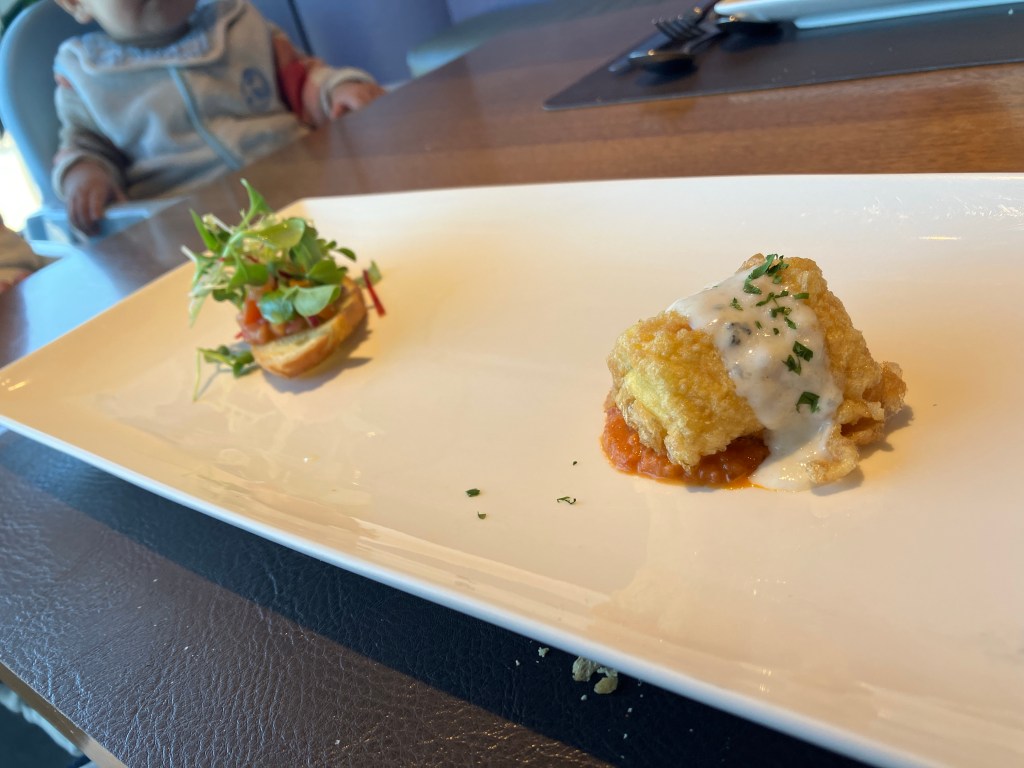
The culinary offerings at Cucina Hu were as remarkable as their hospitality. The meals were a delightful blend of flavors and presentation, making every dish a part of an exquisite dining journey. The prices, ranging from 30,000 to 40,000 Won per person, offered great value for the quality provided, making Cucina Hu an ideal spot for families.

To sum up, our visit to Cucina Hu was an experience that went beyond just dining. It was a blend of scenic views, warm hospitality, superb cuisine, and great value. It’s a place we’re eager to return to and one we’d highly recommend to anyone looking for a special dining experience in Seoul.

Cucina Hu
6th Floor, Euijeonggwan, 1 Uisadang-daero, Yeongdeungpo-gu, Seoul.
Restaurant Link

쿠치나후
서울 영등포구 의사당대로 1 국회 의정관 6층 레스토랑
https://naver.me/xdfCi9V6

Conscripted Harmony: The Impact of Mandatory Military Service on National Peace Policies

The relationship between military service and a nation’s propensity for peace or conflict, as illuminated in recent discussions on South Korean politics, presents a fascinating lens through which to view the dynamics of democracy and militarism. The central thesis posits that a closer integration of civilians with the military, particularly in nations with conscription, correlates with a reduced likelihood of government-initiated warfare. This concept aligns with the broader democratic peace theory, suggesting a tangible link between the structure of military service and a nation’s peace orientation.

The Theory of ‘Conscripted Citizenry and War Deterrence’

At the heart of this theory is the belief that diminishing the divide between civilians and the military acts as a societal check against precipitous war decisions. In a conscription-based system, where the average citizen is likely to serve in the military, there emerges a more profound societal connection to the ramifications of war. This shared military experience engenders a collective sense of responsibility and prudence in conflict-related decisions.

Case Study: South Korea’s Liberal Presidents

In the context of South Korea, this theory gains further credence when considering the presidencies of leaders like Roh Moo-hyun and Moon Jae-in. Both were merely drafted soldiers, not officers, embodying the very essence of citizen-soldiers envisaged in the conscription model. Their administrations, noted for their relatively peaceful stances, exemplify the hypothesis that leaders with firsthand conscription experience may be more inclined towards peaceful conflict resolution, understanding the true cost of war from a non-elite soldier’s perspective.

Counterarguments and Limitations

Despite its compelling narrative, the theory isn’t without its detractors. Critics argue that the correlation between conscription and a peaceful foreign policy might not necessarily imply causation. Other factors, such as economic ties, democratic institutions, and global norms, are also influential in shaping a nation’s war and peace decisions. Moreover, there have been cases where conscripted armies engaged in extended conflicts, suggesting that conscription, by itself, is not a peace guarantor.

Conclusion

The interplay between conscription and a nation’s peace policies is intricate and nuanced. The theory positing that mandatory military service deepens societal ties to the military, thereby discouraging rash wartime engagements, is persuasive yet contested. The cases of South Korean liberal presidents, who served as drafted soldiers, add a unique perspective to this debate. Nonetheless, it is crucial to consider the broader geopolitical, economic, and socio-political landscapes in assessing this relationship. This subject remains ripe for continued exploration, particularly in understanding how different models of military service influence national policies on conflict and peace.

Embracing Change and Challenge in Sales: A Personal Reflection

Introduction:
Today marks a significant turning point in my career as a salesperson. In a day of mixed outcomes, I experienced the removal of one of my accounts by management due to prolonged underperformance, while narrowly managing to extend the assignment on another. This scenario has prompted me to reflect deeply on my professional journey and the nature of sales.

The Reality of Sales Performance:
Sales is inherently a field of highs and lows, successes and setbacks. The removal of one of my accounts was a tough pill to swallow, but it was also a realistic outcome given the prolonged period of lackluster results. It’s a reminder that in sales, like in many aspects of life, outcomes are often directly tied to performance and results.

A Second Chance:
On a more positive note, receiving an inquiry from a client for another account at the eleventh hour was a saving grace. It not only provided a glimmer of hope but also an extension from management. This has reinforced my belief in persistence and staying proactive, even in challenging situations.

Management’s Strategy:
The decision by management to remove and shuffle underperforming small to medium accounts among sales representatives is a strategic move that I understand and appreciate. It’s a sensible approach to reinvigorate stagnant accounts and infuse new energy into our sales strategies.

Gratitude and Renewed Commitment:
I am thankful for a management team that provides reasonable and thoughtful directions. This restructuring has reignited a sense of urgency and commitment in me. It’s a wake-up call to re-evaluate my strategies, learn from my setbacks, and approach my responsibilities with renewed vigor and determination.

Conclusion:
In the ever-evolving landscape of sales, adaptability, resilience, and continuous learning are key. Today’s events have been a valuable lesson in embracing change, recognizing the importance of performance, and the necessity of consistently striving for improvement. As I move forward, I am reminded that every challenge is an opportunity for growth and every setback a chance to reassess and come back stronger.

Call to Action:
To my fellow professionals, have you experienced similar situations? How did you navigate these challenges, and what lessons did you learn? Share your experiences and insights in the comments below. Let’s support and learn from each other in our continuous journey towards professional growth.

Strategies for Success in Sales: Prospecting and Positive Thinking

Unlocking New Opportunities: Effective Prospecting in Sales

In the dynamic world of sales, particularly in the ever-evolving technology sector, finding new opportunities is crucial. Here’s a guide on how to effectively prospect in untapped markets:

  1. Market Research: Start with comprehensive research to identify potential markets. Use industry reports and market analyses to find growing demand in sectors not fully addressed yet.
  2. Emerging Trends: Keep abreast of the latest technological advancements and market changes. Participating in webinars and industry events is key to staying informed.
  3. Market Segmentation: Divide the market based on criteria like company size, industry, location, and technology needs. This helps in pinpointing less saturated niches.
  4. Networking: Your professional network is a goldmine. Engage with peers, join relevant online groups, and forums for first-hand industry insights.
  5. Customer Feedback: Conversations with existing clients can reveal unmet needs or gaps in the industry, guiding you to new opportunities.
  6. Competitor Analysis: Understand your competitors’ strategies and, importantly, their oversights, which might present unique opportunities for you.
  7. Pilot Testing: Test the waters in a new market with a small-scale approach, minimizing resource commitment.
  8. Customized Offerings: Tailor your products or services to meet the specific demands of the new market segment you’re targeting.
  9. Feedback and Adaptation: Post-market entry, gather feedback and be prepared to adjust your strategies as needed.
  10. Digital Tools: Leverage digital tools and analytics for deeper insights into potential markets.

By adopting these strategies, you can systematically explore new markets, expanding your sales reach and staying ahead of the competition.

Fostering Positive Thinking in High-Pressure Careers

In high-stress professions like sales, positive thinking is not just a mindset but a tool for success. Here are strategies to cultivate a positive outlook:

  1. Positive Visualization: Regularly visualize successful outcomes, such as effective meetings and satisfied clients, to boost confidence and readiness.
  2. Reframe Negative Thoughts: Convert negative thoughts into proactive ones. Focus on solutions rather than potential problems.
  3. Realistic Goals: Setting achievable goals can create a positive feedback loop, building confidence and motivation.
  4. Control Focus: Concentrate on what you can control – your effort, attitude, and responses to challenges.
  5. Mindfulness Practices: Engage in mindfulness or meditation to remain present and reduce negative future-focused thinking.
  6. Positive Affirmations: Use encouraging self-talk and affirmations to reinforce your capabilities and readiness for challenges.
  7. Reflecting on Successes: Regularly recall past successes to shift focus from potential failure to achievable success.
  8. Seeking Support: Gain balanced perspectives and reduce isolation by seeking feedback and support from peers and mentors.
  9. Continual Learning: Enhance your skills through ongoing professional development to bolster confidence and competence.
  10. Healthy Lifestyle: A healthy lifestyle, including regular exercise and sufficient sleep, greatly influences mental well-being and stress management.

Changing ingrained thought patterns is a gradual process. Be patient and consistent in practicing these strategies to nurture a positive outlook that enhances your success in sales.

A Memorable Dining Experience at Alla Prima

Last night, I had the pleasure of dining at Alla Prima, a renowned restaurant known for its exquisite course meals. Despite the courses being served in small portions, by the end of the meal, I was pleasantly surprised to find myself satisfyingly full.

The occasion was a special one, as it marked the recognition of our sales performance by our company this year. This acknowledgment not only boosted my spirits but also served as a great team-building experience.

Dining with my superiors and colleagues, I got the opportunity to appreciate their positive attributes anew. It was a moment of reconnection and reaffirmation of the strengths of our team. The atmosphere at Alla Prima added to the significance of the evening – the elegant setting, the meticulously prepared dishes, and the attentive service all contributed to making it a truly memorable occasion.

As we navigated through the culinary journey that Alla Prima offered, it was not just about the food, but also about celebrating our achievements and strengthening our bonds. It was a night that highlighted the importance of appreciation and teamwork in our professional lives.

https://m.place.naver.com/restaurant/36893601/home

Childhood Games from Japan and Korea: Introducing traditional games and their significance.

As a Japanese person living in Korea, married to a wonderful Korean woman, I find myself often reflecting on the rich cultural tapestry that our twin babies, now 10 months old, are growing up in. In this blog post, I want to explore and share some of the traditional childhood games from both Japan and Korea, highlighting their significance and the beautiful blend of cultures our children are exposed to.

**Japan: The Land of Amusing Traditions**

Japanese games are not just about fun; they are steeped in history and culture. A game that stands out is ‘Kendama’. It’s a wooden toy that tests dexterity, involving a ball and string connected to a hammer-like object. The goal is to catch the ball in one of the cupped surfaces of the hammer. Kendama teaches patience and focus, values deeply ingrained in Japanese culture.

Another favorite is ‘Daruma Otoshi’, a game of skill involving a wooden block tower and a small hammer. The aim is to knock out the lower blocks without toppling the tower, symbolizing perseverance and precision.

**Korea: A Blend of Joy and Learning**

In Korea, traditional games are a delightful mix of physical activity and strategic thinking. ‘Yut Nori’, a board game played during the Lunar New Year, is a family favorite. It involves throwing sticks and moving markers across a board, teaching children about strategy and the importance of family bonding.

Another popular game is ‘Jegichagi’, similar to the Western game of Hacky Sack. It involves kicking a jegi (a shuttlecock-like object) and keeping it in the air as long as possible. This game is not only fun but also promotes physical fitness and agility.

**Bridging Cultures Through Play**

As our babies grow, I look forward to introducing them to these games. It’s a way for them to connect with their heritage from both Japan and Korea. These games are more than just play; they are stories, lessons, and traditions passed down through generations.

In a world that’s rapidly modernizing, it’s vital to keep these traditional games alive as they offer a unique window into our respective cultures. They are a way for our children to understand and appreciate where they come from, giving them a sense of identity and belonging.

I believe that by exposing them to the richness of both Japanese and Korean traditional games, we are not only preserving our heritage but also fostering a deep respect and understanding for each other’s cultures in our family.

In conclusion, as we navigate this beautiful journey of raising multicultural children, I am excited about the many ways we can use play to teach them about their heritage. It’s through these simple yet profound traditional games that they’ll learn about the values, history, and culture of Japan and Korea, creating a unique blend of identities that they can proudly carry forward.

The Role of Civic Engagement in Democracy: Reflections from a Japanese Resident in South Korea

Introduction:
As a Japanese living in South Korea, I’ve had the unique opportunity to observe and compare the democratic values and practices of two different societies. While reflecting on these experiences, I’ve come to appreciate a particular aspect of the Korean character, which I believe plays a significant role in their robust democratic culture.

The Korean Spirit of ‘오지랖’ (Ojirap):
In Korean, there’s a term called “오지랖” (Ojirap), loosely translated as being nosy or meddling in others’ affairs. While it can have negative connotations, I’ve observed a positive aspect of this trait – the tendency to be deeply involved in community and societal matters. This characteristic, often seen as being overly concerned about others’ business, can also be interpreted as a form of active civic engagement and a deep sense of responsibility towards one’s community and society.

Democracy in South Korea:
South Korea’s journey to democracy, especially the overthrow of military dictatorship, is still a fresh memory in the nation’s collective consciousness. This history has fostered a society where people are genuinely invested in democratic processes and values. The public’s active participation in political and social matters, a manifestation of ‘Ojirap,’ seems to be a cornerstone of this vibrant democracy.

Contrast with Japan’s ‘Shelf Democracy’:
Reflecting on my homeland, Japan, I sometimes view its adoption of democracy as a ‘shelf democracy,’ one that was more or less handed down by the occupying American forces post-World War II. While Japan certainly practices democratic principles, the fervor and grassroots involvement seen in South Korea appear less pronounced.

The Importance of Civic Engagement:
This comparison has led me to ponder the importance of civic engagement in a democracy. In societies where people believe politics is someone else’s business, democratic values may not take root as deeply. South Korea’s democratic resilience, possibly strengthened by this ‘Ojirap’ trait, suggests that active public involvement is crucial for the health of a democracy.

Conclusion:
Living in South Korea has offered me a new perspective on the role citizens play in nurturing and protecting democratic values. The Korean approach, marked by a keen interest in communal and national affairs, perhaps even bordering on ‘meddlesomeness,’ contributes significantly to their robust democracy. It’s a lesson that many societies, including Japan, can learn from – the importance of being invested, concerned, and involved in the workings of one’s nation.

Call to Action:
I invite readers to reflect on their own society’s approach to democracy. How does civic engagement manifest in your community, and what can we learn from other cultures in strengthening our democratic practices? Share your thoughts and experiences in the comments below. Let’s engage in a meaningful dialogue on the vital role of civic participation in preserving and enriching our democratic institutions.