Thriving in a Competitive Environment: Cultivating Gratitude and Positivity

In the high-stakes world of commission-based sales, where every day feels like a relentless race, cultivating a mindset of gratitude and positivity can seem like a daunting task. Yet, embracing such a mindset is not only possible but can also be a game-changer for both personal well-being and professional success.

1. Celebrating Small Victories

Concrete Steps:

  • At the end of each day, take a moment to reflect on the small goals achieved or positive aspects of the day. It could be as simple as having a meaningful conversation with a client or coming up with a new proposal idea.
  • Acknowledge and celebrate the successes of your team members. A congratulatory email or a word of appreciation can boost morale and foster a supportive atmosphere.

2. Re-evaluating Relationships with Colleagues

Practical Advice:

  • Identify and appreciate the learning opportunities and admirable traits in your colleagues. Sharing these thoughts with them can shift the relationship from competitive to collaborative.
  • Set up regular knowledge-sharing sessions with colleagues to exchange experiences and insights, fostering a spirit of mutual growth.

3. Keeping a Gratitude Journal

Implementing the Habit:

  • Write down three things you’re grateful for every evening. These could range from personal achievements to a colleague’s assistance or a small joy at work.
  • This habit helps focus on positive events and nurtures a grateful mindset.

4. Prioritizing Mental Health

Effective Practices:

  • Dedicate 5-10 minutes daily for meditation or deep breathing exercises to calm the mind and reduce stress.
  • Utilizing mindfulness apps or guided meditations can make it easier to develop a consistent meditation practice.

5. Avoiding Comparisons with Others

Strategies to Follow:

  • Focus on your own goals and progress, rather than dwelling on others’ successes.
  • Consciously avoid comparing yourself with others in social media and conversations. Instead, focus on your personal growth and achievements.

Conclusion

Implementing these practices in a competitive sales environment can cultivate gratitude and maintain a positive mindset. This approach not only enhances personal well-being but can also lead to better performance and a more harmonious workplace. By shifting focus from constant competition to personal growth and mutual support, we can transform the way we perceive and engage in our professional lives. After all, the true measure of success is not just in the targets met but in the journey and the relationships nurtured along the way.


Embracing a New Perspective: My Journey as a Japanese Resident in Korea

As a Japanese expatriate residing in South Korea, I have recently made a conscious decision to share my experiences and insights about Korean culture and life primarily in English. This choice, influenced by the diverse nature of English-speaking audiences and their generally unbiased approach towards Korea, marks a significant shift in my approach to cultural exchange and communication.

Understanding Prejudices and Embracing Openness

In my experience, I’ve observed that many Japanese people hold certain prejudices towards Korea. This realization has been disheartening, especially considering my unique position as a Japanese individual deeply immersed in Korean life. Despite my efforts to convey the vibrant and nuanced aspects of Korean culture, these preconceptions often color the perceptions of my fellow Japanese, leading to a skewed interpretation of my observations.

On the contrary, English-speaking audiences seem to possess a more open and unbiased perspective towards Korean culture. This lack of prejudice not only fosters a more receptive environment for my insights but also enriches the exchange with diverse viewpoints. The English-speaking world, with its myriad backgrounds and experiences, seems to have a solid foundation for understanding and appreciating the intricacies of different cultures, including Korea’s.

Why I Choose to Communicate in English

This backdrop has significantly influenced my decision to continue sharing my experiences in Korea through the English language. I believe that by doing so, my observations and stories will reach a broader, more diverse audience who can appreciate the cultural nuances without the lens of preconceived notions.

Moreover, communicating in English allows me to contribute to a global dialogue about cultural understanding and international living. It enables me to connect with people from various backgrounds, fostering a sense of global community that transcends national boundaries and cultural differences.

Looking Forward

As I continue my journey in South Korea, my goal is to share the rich tapestry of Korean life, culture, and traditions through my unique lens as a Japanese resident. By doing so in English, I hope to bridge gaps, challenge stereotypes, and offer a fresh perspective that enriches the global understanding of Korea.

In conclusion, while my choice to communicate in English stems from a desire to reach a more open and diverse audience, it also reflects my commitment to promoting cultural understanding and exchange. As I share my experiences, I look forward to engaging with a global community, eager to learn and grow from each other’s unique cultural experiences.

Mastering the Art of Cold Calling: A 100-Call Daily Blueprint for Success in the Computing Industry

In the high-stakes world of sales, especially in a sector as dynamic as computing, making impactful connections is crucial. An ambitious goal I’ve set for myself is to make 100 cold calls a day. This daunting task requires a well-structured approach to maximize efficiency and effectiveness. Here’s how I plan to optimize this process:

  1. Finding the Right Companies:
  • The first step involves leveraging Google’s advanced search capabilities to find sites listing computing companies. Industry-specific directories and association websites are goldmines for this information.
  • Exhibitions and trade show websites also often list participating companies, providing a ready database of potential leads.
  1. Listing Potential Clients:
  • To organize this data, I use tools like Excel or Google Sheets. This helps me keep track of companies and ensures no opportunity is missed.
  • Considering automation tools or web scraping techniques can speed up this process, although it’s essential to be mindful of legal boundaries.
  1. Filtering Through the Company Database:
  • Integrating the internal database with my list to filter out existing clients is crucial. Automated systems or CRM software can be invaluable in streamlining this process.
  1. Finding Contact Information:
  • LinkedIn and company websites are primary sources for contact details. Alternatively, database services that provide professional contact information can be a great resource.
  1. Making the Calls:
  • Having a prepared script ensures each call is efficient and effective. It’s also important to set specific time slots for calling, focusing on times with the highest response rates.

By managing these steps efficiently, reaching the goal of 100 calls a day becomes more achievable. Time management and task organization tools play a vital role in keeping track of progress and ensuring that no effort is wasted.

Conclusion

Embarking on this journey of making 100 cold calls a day in the computing industry is not just about numbers. It’s about refining a process, developing resilience, and maximizing the potential of each interaction. This methodical approach not only aids in reaching my daily goal but also contributes significantly to my growth as a sales professional in the ever-evolving world of computing.

Navigating the Highs and Lows of Commission-Based Sales: A Journey of Resilience and Growth

As a seasoned commission-based salesperson, I’ve navigated the complex terrain of a competitive market with its fair share of challenges and opportunities. One particular challenge that has recently emerged is the aggressive pursuit of new, promising markets by younger colleagues, leaving me in a situation where I feel somewhat sidelined.

In such a competitive environment, it’s easy to fall into the trap of viewing success as a zero-sum game. The notion that the world’s wealth is finite often overshadows my experiences, clouding my perspective with a sense of scarcity and competition. However, I am reminded of a more profound understanding I once held – that the world is inherently infinite and kind at heart.

Returning to a Mindset of Abundance and Kindness

The journey back to this mindset, one of abundance and inherent goodness, requires a conscious shift in perspective and practice. Here are some strategies I am considering to rekindle this outlook:

  1. Cultivating Gratitude: Embracing a daily practice of gratitude for the small successes and the support of those around me can help foster a positive mindset.
  2. Focusing on Collaboration and Empathy: Shifting from a competitive stance to one that values teamwork and empathy can change my perception of success. Celebrating the achievements of others as my own can help move away from a zero-sum mentality.
  3. Personal Growth Over Comparison: Concentrating on my personal growth rather than comparing myself to others can lead to a more fulfilling sense of achievement.
  4. Setting Long-Term Goals: Keeping a clear vision and long-term goals in sight ensures that I stay focused on the bigger picture, beyond immediate challenges.
  5. Prioritizing Mental Health: Managing stress and seeking professional support if needed is vital for maintaining a healthy mindset.

Embracing the Challenge: A Hundred Cold Calls

In an effort to dispel distracting thoughts and re-engage with my work, I’ve set a challenging yet potentially rewarding goal: to make a hundred cold calls, regardless of their perceived potential. This goal serves multiple purposes:

  • Enhanced Focus: Dedicating myself to a specific task like cold calling helps me stay focused and reduces distracting thoughts.
  • Measurable Progress: Setting a quantifiable goal allows for a clear sense of achievement and progress.
  • Skill Improvement: Frequent cold calling naturally enhances my sales and communication skills.
  • Opportunity for New Clientele: More calls mean more opportunities to discover and engage with potential clients.

However, this approach requires balance. It’s crucial not to succumb to undue stress or pressure. Maintaining a focus on both the quantity and quality of interactions is key. Reflecting on and refining my approach can also lead to more meaningful connections and success.

Conclusion

As I embark on this journey of self-improvement and professional development, I am reminded of the dynamic nature of the sales industry and the importance of adaptability, resilience, and a positive mindset. By embracing both the challenges and opportunities that come my way, I aim to not only achieve professional success but also to rediscover the joy and fulfillment in my work.

Understanding the Nuances of Particles in Japanese and Korean Languages

In the realm of language learning, grasping the subtleties of grammatical particles can be both fascinating and challenging. This essay delves into the intricacies of the Japanese particles “は” (wa) and “が” (ga), and their Korean counterparts “는” (neun) and “가” (ga). While these particles in Japanese and Korean share similarities, they also exhibit unique characteristics reflective of each language’s cultural and linguistic nuances.

Japanese Particles: “は” (wa) and “が” (ga)

  1. “は” (wa) – The Topic Marker: In Japanese, “は” is used to introduce the topic of a sentence. It sets the stage for what the conversation is about. For example, “私は学生です” (Watashi wa gakusei desu) translates to “I am a student,” with “私” (I) being the topic.
  2. “が” (ga) – The Subject Identifier: This particle is used to specify the subject or object in a sentence, particularly when pointing out something specific. For instance, “彼が勝者です” (Kare ga shousha desu) means “He is the winner,” where “彼” (he) is the specific subject.

Korean Particles: “는” (neun) and “가” (ga)

  1. “는” (neun) – Topic Highlighter: Similar to Japanese “は”, “는” is used in Korean to introduce a general topic, often used in contexts of comparison or contrast. It functions like Japanese “は” but is used in a slightly broader context.
  2. “가” (ga) – Specific Subject Marker: This particle is akin to Japanese “が”, but its use is often more focused and specific in Korean. It’s predominantly used to denote a particular person or thing.

Comparative Analysis: Similarities and Differences

  • Similarities: Both “は” and “는” serve to introduce topics in Japanese and Korean respectively. Likewise, “が” in Japanese and “가” in Korean are used to highlight specific subjects.
  • Differences: Korean particles “는” and “가” are employed more flexibly compared to their Japanese counterparts. This flexibility reflects in how these particles are used to convey nuances in different contexts.

Concrete Examples to Illustrate the Usage

  1. Japanese “が”:
  • New Information: “今日は新しい学生が来ました” (Kyou wa atarashii gakusei ga kimashita) – “A new student came today.”
  • Specific Subject Emphasis: “彼がその本を読んだ” (Kare ga sono hon wo yonda) – “He read that book.”
  1. Korean “가”:
  • Specificity Emphasis: “철수가 그 책을 읽었어요” (Cheolsuga geu chaeg-eul ilgeoss-eoyo) – “Cheolsu read the book.”
  • New Information Introduction: “오늘 새로운 학생이 왔어요” (Oneul saeroun haksaeng-i wass-eoyo) – “A new student came today.”

Conclusion

Understanding the subtle differences and similarities between the Japanese particles “は” and “が” and the Korean particles “는” and “가” provides a window into the nuanced world of East Asian languages. These particles, while seemingly small, play a crucial role in sentence structure and meaning, reflecting the intricate relationship between language, culture, and expression. For language learners and enthusiasts alike, appreciating these differences is not only key to mastering these languages but also to understanding the cultural context in which they are used.

The Subtle Nuance of Gratitude in English: “Thank You Very Much” vs. “Thanks So Much”

In the nuanced world of English, expressing gratitude is not just a matter of politeness, but also an art of choosing the right words for the right context. This is particularly evident in the use of two common phrases: “Thank you very much” and “Thanks so much.” Although seemingly similar, these phrases carry subtle differences that reflect the richness and complexity of the English language.

The Formality Spectrum

The phrase “Thank you very much” often finds its place in more formal settings. Whether it’s a business email, an official event, or a situation where a touch of formality is required, this phrase is the go-to choice. Its usage conveys a sense of professionalism and respect, making it ideal for interactions where maintaining a certain decorum is important.

Contrastingly, “Thanks so much” leans towards a more casual tone. It’s the kind of phrase you would use in a text message to a friend, in a quick email to a colleague you know well, or in a family gathering. This expression fosters a sense of warmth and familiarity, perfect for informal or personal interactions.

Emphasis on Gratitude

Both phrases serve to emphasize gratitude, but they do so in slightly different ways. “Very much” in “Thank you very much” adds a level of gratitude that is sincere yet somewhat reserved. It’s appreciative but balanced, making it suitable for a wide range of situations without overstepping the boundaries of modesty.

In contrast, “so much” in “Thanks so much” packs a more powerful punch of gratitude. It’s more emphatic, often used to express deeper appreciation or to respond to larger favors. This phrase carries a stronger emotional weight, making it ideal for moments where you want to convey heartfelt thanks.

Cultural Context and Personal Preference

It’s important to note that the preference for one phrase over the other can also be influenced by cultural context and personal style. In some cultures, overt expressions of gratitude are the norm, while in others, a more subdued approach is appreciated. Similarly, individual personality plays a role – some people naturally gravitate towards more formal language, while others prefer a casual tone.

Conclusion

Understanding the subtle differences between “Thank you very much” and “Thanks so much” is more than just a linguistic exercise. It’s about grasping the cultural and emotional nuances that make English a rich and versatile language. As non-native speakers delve into these subtleties, they gain not just linguistic proficiency, but also a deeper insight into the culture and contexts in which English is used. Whether it’s a formal thank-you note or a casual text, choosing the right phrase for gratitude can make all the difference in communication.

Embracing the Paradox: The Intersection of Welfare State Ideals and Entrepreneurship

As I reflect on my personal journey, I find myself navigating a fascinating crossroads between the ideals of a welfare state and the values of entrepreneurship. This might seem like a paradox at first glance, but I believe it offers a unique perspective on how we can approach societal and personal growth.

The Evolution of My Ideology

My journey began with a firm belief in the principles of a welfare state. I was, and continue to be, a proponent of social justice, equitable access to healthcare, education, and a safety net for the most vulnerable in society. However, my experiences in commission-based sales and entrepreneurship brought a new dimension to my worldview.

The Entrepreneurial Shift

Working in sales, I learned the value of independence, self-reliance, and taking personal responsibility for one’s success. This entrepreneurial spirit, which emphasizes innovation, risk-taking, and self-sufficiency, seemed initially at odds with my liberal ideals. But as I delved deeper, I realized that these values complement rather than contradict each other.

The Intersection of Ideals

The welfare state and entrepreneurialism need not be mutually exclusive. In fact, they can form a symbiotic relationship. The security and equality provided by a welfare state create a fertile ground for entrepreneurial ventures. People are more likely to take risks and innovate when they know there’s a safety net to catch them in case of failure.

Personal Responsibility and Social Welfare

One of the most significant insights I gained is the importance of personal responsibility. Accepting that our actions and decisions shape our lives can be liberating. It encourages a proactive approach to life. However, this doesn’t diminish the role of societal structures in supporting individuals. Personal empowerment and social welfare programs can coexist, ensuring that while individuals strive for personal growth, they are not left to face life’s challenges alone.

A Balanced Approach

This balanced approach advocates for a society where individuals are encouraged to be self-reliant and innovative, while still ensuring that basic needs and rights are accessible to all. It’s about creating an environment where both individual aspirations and collective welfare are nurtured.

Conclusion: A Harmonious Coexistence

In embracing both welfare state principles and the entrepreneurial spirit, I’ve realized that my ideology is not contradictory but rather complementary. It represents a holistic approach to societal development, recognizing the importance of both individual initiative and collective support. This synergy of ideas might just be the key to building more resilient and dynamic communities.


This exploration into the convergence of seemingly disparate ideologies has been an enlightening journey. It underscores the idea that in the rich tapestry of societal and personal ideologies, embracing a spectrum of ideas can lead to a more nuanced and effective approach to life and governance.

Navigating the Competitive Waters of Commission-Based Sales: Strategies for Success

In the high-stakes world of commission-based sales, the pressure is always on. Every colleague is a rival; each new customer, a prize to be won first. This intense environment can often lead to a tense atmosphere among team members, making it challenging to foster camaraderie. Here’s a closer look at the dynamics of such a workplace and strategies to navigate through this competitive terrain while maintaining personal and professional well-being.

Understanding the Landscape

Commission-based sales jobs are inherently competitive. Success directly impacts income, driving a high-performance culture. However, this environment can sometimes lead to strained relationships among colleagues, as everyone is vying for the same clients and sales targets.

Enhancing Communication

The first step towards improving this situation is strengthening communication. Engaging in conversations beyond work-related topics can build mutual understanding and respect. Sharing personal interests or discussing hobbies can break the ice and reduce workplace tension. This approach fosters a more collaborative atmosphere, even in a competitive setting.

Balancing Competition and Collaboration

While competition can be motivating, finding opportunities to collaborate with colleagues can lead to innovative strategies and solutions. Sharing insights or teaming up for joint projects can be beneficial. This approach not only enhances individual performance but can also contribute to a more positive team dynamic.

Prioritizing Self-Care

When facing a slump in sales performance, stress levels can skyrocket. It’s crucial to prioritize self-care to maintain both mental and physical health. Regular breaks, engaging in hobbies, or exercise can rejuvenate the mind and body. A well-rested and healthy individual is more likely to perform better at work.

Seeking Mental Health Support

If work stress or interpersonal issues become overwhelming, seeking professional advice can be a wise move. Counseling or mental health support services provide an outlet to discuss challenges and discover new perspectives or solutions. This support can be invaluable in finding ways to cope with the pressures of a commission-based sales job.

Conclusion

Navigating the competitive environment of commission-based sales requires more than just sales skills; it demands emotional intelligence, self-care, and the ability to find a balance between competition and collaboration. By fostering better communication, seeking collaborative opportunities, prioritizing self-care, and being open to professional support, sales professionals can not only achieve success but also enjoy a healthier, more fulfilling work life. In this challenging field, maintaining a balance is key to not just surviving but thriving.

Breaking Gender Stereotypes: Embracing Emotional Expression in Men

Understanding the Issue

In many cultures, there’s a prevailing stereotype that men must adhere to a certain stoic, unemotional demeanor. This cultural norm often stifles men’s ability to express admiration for things considered ‘cute’ or openly exhibit tender emotions, typically associated with femininity. This phenomenon is not just a minor inconvenience but a significant aspect of gender inequality that needs addressing, and interestingly, it falls within the scope of feminism.

Feminism and Men’s Issues

Feminism, often misunderstood as a movement solely for women’s rights, has a broader agenda of challenging gender-based inequalities and stereotypes. It aims to dismantle the societal norms that confine both men and women into rigid roles. The freedom for men to express themselves, including the liberty to find things cute or express emotions typically labeled as feminine, is a fight against gender stereotypes, aligning perfectly with feminist objectives.

Societal Norms and Emotional Repression

The societal expectation for men to be perpetually strong, unemotional, and detached from anything perceived as ‘feminine’ is a form of emotional repression. It not only perpetuates gender inequality but also harms mental health. By enforcing a narrow view of masculinity, society deprives men of the rich emotional experiences that are part of being human.

The Psychological Impact

The inability to express emotions freely can lead to numerous mental health issues in men, including depression, anxiety, and emotional exhaustion. The pressure to conform to an unrealistic standard of masculinity can be incredibly damaging, making it crucial for societal norms to evolve.

Feminism’s Role in Change

Feminism advocates for a world where emotional expression is not gendered but seen as a human trait. It seeks to create an environment where men can openly express their fondness for things they find cute, or share their emotional vulnerabilities without fear of judgment or ridicule. This liberation from traditional gender norms is beneficial for all genders.

Moving Forward

To create a more inclusive and healthy society, it’s vital to encourage emotional expression and vulnerability in men. This includes challenging and changing the narrative around masculinity and emotions. Education, open dialogues, and positive representations in media can play a significant role in this transformation.

Conclusion

The journey towards gender equality is not just about uplifting one gender but about creating a balanced society where all individuals can freely express themselves without the constraints of outdated stereotypes. Embracing emotional expression in men is a crucial step in this journey, aligning with the core principles of feminism. It’s about time we redefine what it means to be masculine and, in doing so, foster a more empathetic and understanding society.

Understanding the Nuances of Japanese Pronunciation: A Deep Dive into the ‘ん’ Conundrum

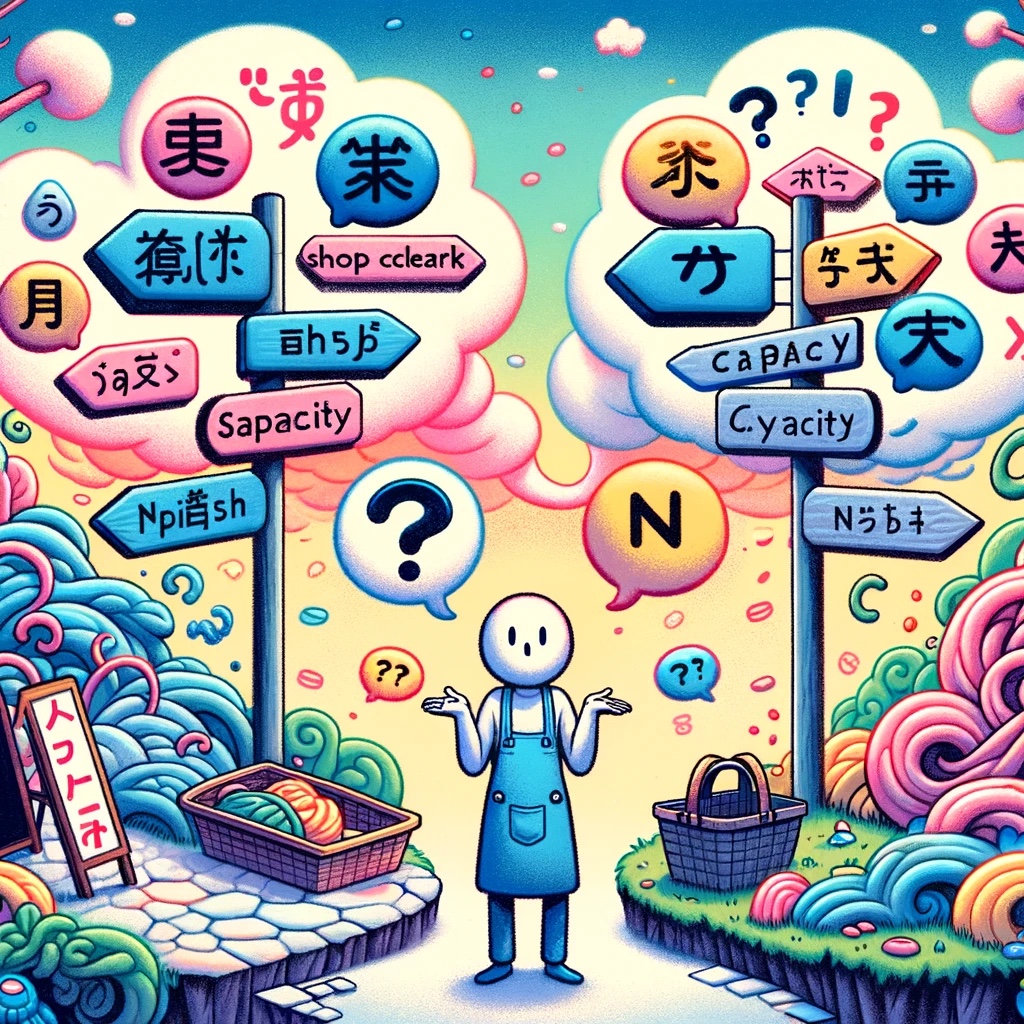
The Intriguing Case of ‘店員’ and ‘定員’

Recently, a fascinating observation made waves on Twitter involving the Japanese language, particularly a common typing error where ‘店員’ (shop clerk) was mistakenly written as ‘定員’ (capacity). This incident isn’t just a mere typo but rather a window into the intricate world of Japanese phonetics, especially the unique pronunciation of ‘ん’ (n).

The Chameleon of Japanese Phonetics: ‘ん’

The Japanese ‘ん’ holds a special place in the language’s phonetic landscape. Unlike anything in English or many other languages, this sound morphs dramatically based on the following consonant or vowel. When ‘ん’ precedes a vowel, as in ‘店員’ (‘tenin’), its sound almost vanishes, elongating the succeeding vowel. This phonetic phenomenon can lead to auditory ambiguities, making ‘店員’ sound eerily similar to ‘定員’ (‘teiin’).

The Linguistic Implications

This characteristic of ‘ん’ is not just a linguistic curiosity; it showcases the depth and complexity inherent in language. For native speakers, this nuance is navigated with ease, but for learners of Japanese, it presents a fascinating challenge. The variation in ‘ん’s’ pronunciation underscores the importance of context in understanding spoken Japanese.

Technology and Language: A Complicated Relationship

The ‘店員’ vs ‘定員’ mix-up also highlights the intersection of language and technology. Japanese input systems, which often provide multiple character options for the same phonetic input, can sometimes be tricked by these phonetic nuances. This raises intriguing questions about how technology can and should adapt to accommodate the unique aspects of language.

The Joy of Learning and the Complexity of Communication

For learners of Japanese, understanding the subtleties of ‘ん’ is crucial, not just for accurate pronunciation but also for understanding the cultural richness embedded in linguistic idiosyncrasies. It reflects the joy and complexity of learning a new language, where even a small sound can open up a world of meaning.

Conclusion

The Twitter typo involving ‘店員’ and ‘定員’ is more than just a humorous mishap. It’s a testament to the intricacies of Japanese phonetics and a reminder of the continuous interplay between language, culture, and technology. As we delve deeper into understanding these nuances, we unlock more layers of this fascinating language, appreciating both its complexity and its beauty.

The Asymmetry of Political Scandal Responses: A Reflection on Progressive vs. Conservative Politicians

In the realm of politics, the reaction to scandals often appears to be heavily influenced by the ideological leanings of the politicians involved. This phenomenon raises questions about fairness and media bias, highlighting a significant disparity in the treatment of progressive and conservative figures.

When a progressive, civic-minded politician is embroiled in a scandal, the uproar is immediate and intense. Media outlets and public forums are abuzz with discussions, criticisms, and often a rush to judgment. The intensity of the reaction can be likened to a frenzied pursuit, with relentless scrutiny and widespread condemnation. This heightened attention can have a profound impact on the politician’s career and public image, often leading to a swift downfall.

In stark contrast, when similar scandals involve right-wing or conservative politicians, the response is markedly muted. The same level of scrutiny and moral outrage is conspicuously absent. This discrepancy is not only perplexing but also deeply troubling. It suggests an imbalance in how political figures are held accountable for their actions, influenced by their political affiliations rather than the nature of their misconduct.

This disparity raises several critical questions. Is the media inherently biased towards progressive politicians, amplifying their missteps while downplaying those of their conservative counterparts? Or does this reflect a broader societal bias, where progressive ideals are held to a higher standard, and thus their proponents are judged more harshly?

Moreover, this imbalance has serious implications for democratic societies. If politicians are not held to consistent standards, public trust in the political system can erode. The perception that some are “above the law” or immune to the consequences faced by others undermines the principles of equality and justice that are foundational to democratic governance.

In conclusion, the differing reactions to political scandals based on ideological lines reveal a worrying inconsistency in our political and media landscapes. It is imperative for the health of our democracies that all politicians, regardless of their political leanings, are held to the same standards of accountability and ethics. Only then can we ensure a fair, just, and equitable political system.

The Ever-Changing Landscape of Social Media: A Personal Journey

My first encounter with social media was during my sophomore year at the University of Tokyo with a Japanese platform called Mixi. It was a simple tool to connect with acquaintances from Tokyo University. We shared daily photos and, later on, job frustrations.

Soon after, while studying at Nanjing University in China, an American roommate introduced me to Facebook. Like Mixi, Facebook served as a bridge to my Tokyo and Nanjing networks. These platforms were more than just digital spaces; they were extensions of my social life.

Then came Twitter, a platform with an unprecedented scale of network expansion and influence. Initially, I connected with friends under my real name, but I later created an anonymous account to engage with activists and advocates for anti-discrimination movements.

The breadth of Twitter’s network reminded me of an episode from the Japanese manga “Doraemon,” where a door suddenly links the protagonist’s room with a distant star. The characters embark on grand adventures and forge friendships with aliens, only to have the door to the cosmos abruptly close, mirroring the transient yet intense connections made through Twitter.

One instance on Twitter particularly stands out. A young user was explaining the allure of Twitter to an elderly person unfamiliar with it. The senior, having once enjoyed amateur radio, instantly grasped the thrill of connecting with unknown individuals across the globe. This story highlights the excitement of discovering unknown worlds and the ephemeral nature of such encounters.

Perhaps, social networking sites (SNS), especially Twitter, are more than tools; they amplify the joys and loneliness of human relationships. As I find myself drifting away from these platforms, I can’t help but wonder how my engagement with the internet will evolve. Will I find a new digital door to unknown adventures, or will I seek a more tangible connection in the physical world?

Social media has undeniably reshaped our social interactions, serving as both a gateway to global connections and a mirror reflecting our collective consciousness. As we navigate this ever-evolving digital landscape, we continue to seek meaningful connections, whether through a screen or face-to-face.