Staying Motivated in Sales: Lessons from History

Last week, I faced a challenging setback in my sales career – I lost a significant account. It was a moment that could easily have led to discouragement. However, I found inspiration and valuable lessons in an unlikely source: the history of the British Empire, particularly its response to losing the American colonies.

Understanding the Historical Context

In the late 18th century, Britain, then a formidable colonial power, faced a significant setback: the loss of its American colonies following the American War of Independence. This loss was a major blow to the British, both emotionally and economically. Yet, remarkably, this period was followed by an era where Britain reached the zenith of its power – the Victorian era. How did Britain manage to turn such a significant loss into an era of unprecedented prosperity?

The Power of Analysis and Feedback

Drawing a parallel from this historical event, the first lesson I learned was the importance of understanding and analyzing loss. Just like Britain had to comprehend the reasons behind the loss of its American colonies, I needed to analyze why I lost the account. Was it a matter of service, pricing, or product features? Understanding the root cause is crucial for improvement.

Moreover, seeking feedback, much like how historical leaders would gather intelligence, can provide invaluable insights. I reached out to my former client to understand their perspective, ensuring that I learn from this experience to better serve future clients.

Focusing on Strengths and Setting New Goals

Despite its loss, the British Empire didn’t dwell on its setback; it looked to new horizons. It capitalized on the ongoing Industrial Revolution, expanded into new territories like India and Africa, and strengthened its naval power, playing a key role in its resurgence as a global power. Similarly, I reminded myself of my past successes and strengths in sales. This reflection helped me realign my strategies with what has proven effective in the past.

Setting new, achievable goals is another key takeaway. Like Britain exploring new territories, I started expanding my network, seeking new potential clients, and diversifying my prospect base. This not only helps in reducing the impact of any future losses but also keeps me focused and motivated.

Continuous Learning and Prospecting

Continuous learning and improvement are essential. I’ve been dedicating time to enhancing my sales skills, understanding evolving market needs, and keeping abreast of product knowledge, much like Britain adapted to new global dynamics. This ongoing development not only boosts my confidence but also enhances my sales effectiveness.

Resilience and Positivity

Resilience, a trait crucial for Britain’s comeback, is just as essential in sales. Maintaining a positive outlook and being resilient in the face of rejection and loss are part of the sales process. Remembering my past successes keeps me grounded in the belief that I am capable of overcoming this setback.

Seeking Support and Maintaining Balance

Just as Britain relied on its global networks and alliances, I learned the value of discussing challenges with colleagues, mentors, or a support network. They offer different perspectives, advice, and encouragement.

Moreover, maintaining a work-life balance is crucial. It ensures that I am in the best state of mind and health to perform effectively in my role.

Conclusion

The history of the British Empire post-American independence teaches us that setbacks can be springboards for greater achievements. In sales, as in history, resilience, adaptability, and continuous learning are key to overcoming challenges and achieving success. So, as I move forward from this setback, I do so with renewed vigor, armed with lessons from the past and an eye towards future successes.

A Memorable Family Meal at Cucina Hu, Seoul

Our family’s recent dining experience at Cucina Hu, a charming restaurant located in the heart of Seoul’s Yeouido district, was nothing short of delightful. This culinary gem is situated on the 6th floor of the Euijeonggwan building within the National Assembly’s premises, offering a unique dining setting.

Our adventure to Cucina Hu began with a slight hiccup – we initially mistook the main building for our destination. Navigating through the cold to find the right place was a bit of a challenge, but it only added to the sense of discovery. For future visits, we’ll remember to verify the exact location first!

The ambiance of Cucina Hu was breathtaking. Having reserved a table ahead of time, we were seated at the prime window-side spot, which offered an extraordinary view that enhanced our dining experience.

What truly stood out was how family-friendly Cucina Hu was. We visited with our 10-month-old twins, and the staff was incredibly accommodating, providing two baby chairs without a hint of inconvenience. This gesture made our meal not just comfortable but also enjoyable.

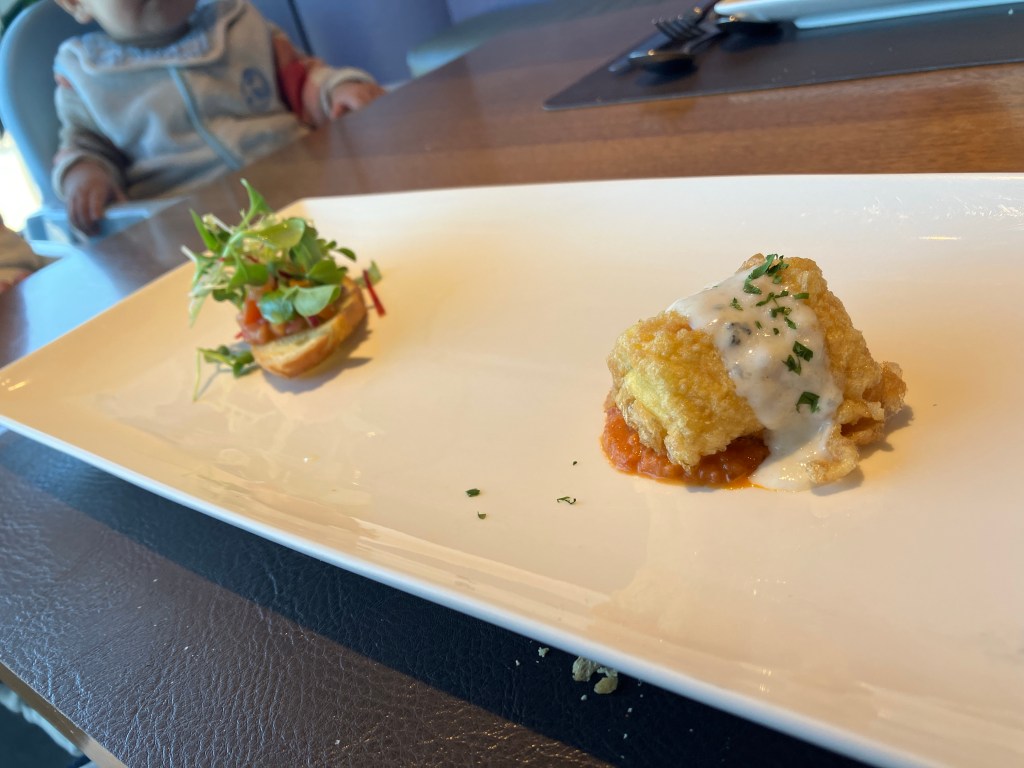
The culinary offerings at Cucina Hu were as remarkable as their hospitality. The meals were a delightful blend of flavors and presentation, making every dish a part of an exquisite dining journey. The prices, ranging from 30,000 to 40,000 Won per person, offered great value for the quality provided, making Cucina Hu an ideal spot for families.

To sum up, our visit to Cucina Hu was an experience that went beyond just dining. It was a blend of scenic views, warm hospitality, superb cuisine, and great value. It’s a place we’re eager to return to and one we’d highly recommend to anyone looking for a special dining experience in Seoul.

Cucina Hu
6th Floor, Euijeonggwan, 1 Uisadang-daero, Yeongdeungpo-gu, Seoul.
Restaurant Link

쿠치나후
서울 영등포구 의사당대로 1 국회 의정관 6층 레스토랑
https://naver.me/xdfCi9V6

Conscripted Harmony: The Impact of Mandatory Military Service on National Peace Policies

The relationship between military service and a nation’s propensity for peace or conflict, as illuminated in recent discussions on South Korean politics, presents a fascinating lens through which to view the dynamics of democracy and militarism. The central thesis posits that a closer integration of civilians with the military, particularly in nations with conscription, correlates with a reduced likelihood of government-initiated warfare. This concept aligns with the broader democratic peace theory, suggesting a tangible link between the structure of military service and a nation’s peace orientation.

The Theory of ‘Conscripted Citizenry and War Deterrence’

At the heart of this theory is the belief that diminishing the divide between civilians and the military acts as a societal check against precipitous war decisions. In a conscription-based system, where the average citizen is likely to serve in the military, there emerges a more profound societal connection to the ramifications of war. This shared military experience engenders a collective sense of responsibility and prudence in conflict-related decisions.

Case Study: South Korea’s Liberal Presidents

In the context of South Korea, this theory gains further credence when considering the presidencies of leaders like Roh Moo-hyun and Moon Jae-in. Both were merely drafted soldiers, not officers, embodying the very essence of citizen-soldiers envisaged in the conscription model. Their administrations, noted for their relatively peaceful stances, exemplify the hypothesis that leaders with firsthand conscription experience may be more inclined towards peaceful conflict resolution, understanding the true cost of war from a non-elite soldier’s perspective.

Counterarguments and Limitations

Despite its compelling narrative, the theory isn’t without its detractors. Critics argue that the correlation between conscription and a peaceful foreign policy might not necessarily imply causation. Other factors, such as economic ties, democratic institutions, and global norms, are also influential in shaping a nation’s war and peace decisions. Moreover, there have been cases where conscripted armies engaged in extended conflicts, suggesting that conscription, by itself, is not a peace guarantor.

Conclusion

The interplay between conscription and a nation’s peace policies is intricate and nuanced. The theory positing that mandatory military service deepens societal ties to the military, thereby discouraging rash wartime engagements, is persuasive yet contested. The cases of South Korean liberal presidents, who served as drafted soldiers, add a unique perspective to this debate. Nonetheless, it is crucial to consider the broader geopolitical, economic, and socio-political landscapes in assessing this relationship. This subject remains ripe for continued exploration, particularly in understanding how different models of military service influence national policies on conflict and peace.

Embracing Change and Challenge in Sales: A Personal Reflection

Introduction:
Today marks a significant turning point in my career as a salesperson. In a day of mixed outcomes, I experienced the removal of one of my accounts by management due to prolonged underperformance, while narrowly managing to extend the assignment on another. This scenario has prompted me to reflect deeply on my professional journey and the nature of sales.

The Reality of Sales Performance:
Sales is inherently a field of highs and lows, successes and setbacks. The removal of one of my accounts was a tough pill to swallow, but it was also a realistic outcome given the prolonged period of lackluster results. It’s a reminder that in sales, like in many aspects of life, outcomes are often directly tied to performance and results.

A Second Chance:
On a more positive note, receiving an inquiry from a client for another account at the eleventh hour was a saving grace. It not only provided a glimmer of hope but also an extension from management. This has reinforced my belief in persistence and staying proactive, even in challenging situations.

Management’s Strategy:
The decision by management to remove and shuffle underperforming small to medium accounts among sales representatives is a strategic move that I understand and appreciate. It’s a sensible approach to reinvigorate stagnant accounts and infuse new energy into our sales strategies.

Gratitude and Renewed Commitment:
I am thankful for a management team that provides reasonable and thoughtful directions. This restructuring has reignited a sense of urgency and commitment in me. It’s a wake-up call to re-evaluate my strategies, learn from my setbacks, and approach my responsibilities with renewed vigor and determination.

Conclusion:
In the ever-evolving landscape of sales, adaptability, resilience, and continuous learning are key. Today’s events have been a valuable lesson in embracing change, recognizing the importance of performance, and the necessity of consistently striving for improvement. As I move forward, I am reminded that every challenge is an opportunity for growth and every setback a chance to reassess and come back stronger.

Call to Action:
To my fellow professionals, have you experienced similar situations? How did you navigate these challenges, and what lessons did you learn? Share your experiences and insights in the comments below. Let’s support and learn from each other in our continuous journey towards professional growth.

Strategies for Success in Sales: Prospecting and Positive Thinking

Unlocking New Opportunities: Effective Prospecting in Sales

In the dynamic world of sales, particularly in the ever-evolving technology sector, finding new opportunities is crucial. Here’s a guide on how to effectively prospect in untapped markets:

  1. Market Research: Start with comprehensive research to identify potential markets. Use industry reports and market analyses to find growing demand in sectors not fully addressed yet.
  2. Emerging Trends: Keep abreast of the latest technological advancements and market changes. Participating in webinars and industry events is key to staying informed.
  3. Market Segmentation: Divide the market based on criteria like company size, industry, location, and technology needs. This helps in pinpointing less saturated niches.
  4. Networking: Your professional network is a goldmine. Engage with peers, join relevant online groups, and forums for first-hand industry insights.
  5. Customer Feedback: Conversations with existing clients can reveal unmet needs or gaps in the industry, guiding you to new opportunities.
  6. Competitor Analysis: Understand your competitors’ strategies and, importantly, their oversights, which might present unique opportunities for you.
  7. Pilot Testing: Test the waters in a new market with a small-scale approach, minimizing resource commitment.
  8. Customized Offerings: Tailor your products or services to meet the specific demands of the new market segment you’re targeting.
  9. Feedback and Adaptation: Post-market entry, gather feedback and be prepared to adjust your strategies as needed.
  10. Digital Tools: Leverage digital tools and analytics for deeper insights into potential markets.

By adopting these strategies, you can systematically explore new markets, expanding your sales reach and staying ahead of the competition.

Fostering Positive Thinking in High-Pressure Careers

In high-stress professions like sales, positive thinking is not just a mindset but a tool for success. Here are strategies to cultivate a positive outlook:

  1. Positive Visualization: Regularly visualize successful outcomes, such as effective meetings and satisfied clients, to boost confidence and readiness.
  2. Reframe Negative Thoughts: Convert negative thoughts into proactive ones. Focus on solutions rather than potential problems.
  3. Realistic Goals: Setting achievable goals can create a positive feedback loop, building confidence and motivation.
  4. Control Focus: Concentrate on what you can control – your effort, attitude, and responses to challenges.
  5. Mindfulness Practices: Engage in mindfulness or meditation to remain present and reduce negative future-focused thinking.
  6. Positive Affirmations: Use encouraging self-talk and affirmations to reinforce your capabilities and readiness for challenges.
  7. Reflecting on Successes: Regularly recall past successes to shift focus from potential failure to achievable success.
  8. Seeking Support: Gain balanced perspectives and reduce isolation by seeking feedback and support from peers and mentors.
  9. Continual Learning: Enhance your skills through ongoing professional development to bolster confidence and competence.
  10. Healthy Lifestyle: A healthy lifestyle, including regular exercise and sufficient sleep, greatly influences mental well-being and stress management.

Changing ingrained thought patterns is a gradual process. Be patient and consistent in practicing these strategies to nurture a positive outlook that enhances your success in sales.

A Memorable Dining Experience at Alla Prima

Last night, I had the pleasure of dining at Alla Prima, a renowned restaurant known for its exquisite course meals. Despite the courses being served in small portions, by the end of the meal, I was pleasantly surprised to find myself satisfyingly full.

The occasion was a special one, as it marked the recognition of our sales performance by our company this year. This acknowledgment not only boosted my spirits but also served as a great team-building experience.

Dining with my superiors and colleagues, I got the opportunity to appreciate their positive attributes anew. It was a moment of reconnection and reaffirmation of the strengths of our team. The atmosphere at Alla Prima added to the significance of the evening – the elegant setting, the meticulously prepared dishes, and the attentive service all contributed to making it a truly memorable occasion.

As we navigated through the culinary journey that Alla Prima offered, it was not just about the food, but also about celebrating our achievements and strengthening our bonds. It was a night that highlighted the importance of appreciation and teamwork in our professional lives.

https://m.place.naver.com/restaurant/36893601/home

Childhood Games from Japan and Korea: Introducing traditional games and their significance.

As a Japanese person living in Korea, married to a wonderful Korean woman, I find myself often reflecting on the rich cultural tapestry that our twin babies, now 10 months old, are growing up in. In this blog post, I want to explore and share some of the traditional childhood games from both Japan and Korea, highlighting their significance and the beautiful blend of cultures our children are exposed to.

**Japan: The Land of Amusing Traditions**

Japanese games are not just about fun; they are steeped in history and culture. A game that stands out is ‘Kendama’. It’s a wooden toy that tests dexterity, involving a ball and string connected to a hammer-like object. The goal is to catch the ball in one of the cupped surfaces of the hammer. Kendama teaches patience and focus, values deeply ingrained in Japanese culture.

Another favorite is ‘Daruma Otoshi’, a game of skill involving a wooden block tower and a small hammer. The aim is to knock out the lower blocks without toppling the tower, symbolizing perseverance and precision.

**Korea: A Blend of Joy and Learning**

In Korea, traditional games are a delightful mix of physical activity and strategic thinking. ‘Yut Nori’, a board game played during the Lunar New Year, is a family favorite. It involves throwing sticks and moving markers across a board, teaching children about strategy and the importance of family bonding.

Another popular game is ‘Jegichagi’, similar to the Western game of Hacky Sack. It involves kicking a jegi (a shuttlecock-like object) and keeping it in the air as long as possible. This game is not only fun but also promotes physical fitness and agility.

**Bridging Cultures Through Play**

As our babies grow, I look forward to introducing them to these games. It’s a way for them to connect with their heritage from both Japan and Korea. These games are more than just play; they are stories, lessons, and traditions passed down through generations.

In a world that’s rapidly modernizing, it’s vital to keep these traditional games alive as they offer a unique window into our respective cultures. They are a way for our children to understand and appreciate where they come from, giving them a sense of identity and belonging.

I believe that by exposing them to the richness of both Japanese and Korean traditional games, we are not only preserving our heritage but also fostering a deep respect and understanding for each other’s cultures in our family.

In conclusion, as we navigate this beautiful journey of raising multicultural children, I am excited about the many ways we can use play to teach them about their heritage. It’s through these simple yet profound traditional games that they’ll learn about the values, history, and culture of Japan and Korea, creating a unique blend of identities that they can proudly carry forward.

The Role of Civic Engagement in Democracy: Reflections from a Japanese Resident in South Korea

Introduction:
As a Japanese living in South Korea, I’ve had the unique opportunity to observe and compare the democratic values and practices of two different societies. While reflecting on these experiences, I’ve come to appreciate a particular aspect of the Korean character, which I believe plays a significant role in their robust democratic culture.

The Korean Spirit of ‘오지랖’ (Ojirap):
In Korean, there’s a term called “오지랖” (Ojirap), loosely translated as being nosy or meddling in others’ affairs. While it can have negative connotations, I’ve observed a positive aspect of this trait – the tendency to be deeply involved in community and societal matters. This characteristic, often seen as being overly concerned about others’ business, can also be interpreted as a form of active civic engagement and a deep sense of responsibility towards one’s community and society.

Democracy in South Korea:
South Korea’s journey to democracy, especially the overthrow of military dictatorship, is still a fresh memory in the nation’s collective consciousness. This history has fostered a society where people are genuinely invested in democratic processes and values. The public’s active participation in political and social matters, a manifestation of ‘Ojirap,’ seems to be a cornerstone of this vibrant democracy.

Contrast with Japan’s ‘Shelf Democracy’:
Reflecting on my homeland, Japan, I sometimes view its adoption of democracy as a ‘shelf democracy,’ one that was more or less handed down by the occupying American forces post-World War II. While Japan certainly practices democratic principles, the fervor and grassroots involvement seen in South Korea appear less pronounced.

The Importance of Civic Engagement:
This comparison has led me to ponder the importance of civic engagement in a democracy. In societies where people believe politics is someone else’s business, democratic values may not take root as deeply. South Korea’s democratic resilience, possibly strengthened by this ‘Ojirap’ trait, suggests that active public involvement is crucial for the health of a democracy.

Conclusion:
Living in South Korea has offered me a new perspective on the role citizens play in nurturing and protecting democratic values. The Korean approach, marked by a keen interest in communal and national affairs, perhaps even bordering on ‘meddlesomeness,’ contributes significantly to their robust democracy. It’s a lesson that many societies, including Japan, can learn from – the importance of being invested, concerned, and involved in the workings of one’s nation.

Call to Action:
I invite readers to reflect on their own society’s approach to democracy. How does civic engagement manifest in your community, and what can we learn from other cultures in strengthening our democratic practices? Share your thoughts and experiences in the comments below. Let’s engage in a meaningful dialogue on the vital role of civic participation in preserving and enriching our democratic institutions.

The Silent Decline: Reflecting on the Global Presence of Japanese Consumer Goods

In a casual conversation with a friend in South Korea, an intriguing observation was made: “Before I realized it, it’s been almost a decade since I stopped using Japanese products.” This statement sparked a moment of reflection for me. Indeed, it seems that Japanese consumer goods have gradually lost their prominence in the international market, a change that has occurred almost imperceptibly.

This shift is not widely acknowledged or felt among ordinary consumers in Japan. There’s a subtle disconnect between the perception of Japan’s global market influence and the actual scenario. To convey this gradual but significant change to a Japanese audience, I recently found a relatable comparison.

Consider the rise and fall of Hong Kong cinema. In the 1980s and 90s, movies from Hong Kong, featuring stars like Jackie Chan, achieved blockbuster status worldwide, including in Japan. These films garnered a massive fanbase, captivating audiences with their unique blend of action, humor, and drama. However, if one were to ask a Japanese person when they last watched a Hong Kong movie, many would struggle to remember. This serves as a powerful metaphor for the current state of Japanese consumer goods.

Like Hong Kong cinema, which once enjoyed worldwide acclaim but has now faded into the background, Japanese products have similarly receded from the global consumer’s view. This unnoticed fading away reflects a broader narrative of rise and decline, a cycle that is both poignant and inevitable in the global market.

Living overseas, I feel a deep sense of nostalgia and contemplation over this shift. It’s a reminder of the dynamic nature of global consumer trends and Japan’s evolving place within it. For Japanese manufacturers and marketers, this could be a wake-up call to reassess and innovate to regain relevance in the ever-changing global market.

As we look to the future, it’s essential for Japan to reflect on these changes and adapt. The world market is constantly evolving, and staying relevant requires not just quality and innovation, but also an understanding of global consumer behavior and trends. The story of Japanese consumer goods, much like the once-thriving era of Hong Kong cinema, serves as a testament to the fluidity of international prominence and influence.

Contrasting Perspectives on Transportation Delays: Japan and South Korea

In a globalized world, understanding the nuances of different cultures becomes increasingly important, especially when it comes to perceptions of societal issues. A striking example of this can be found in the contrasting attitudes towards transportation delays in Japan and South Korea.

In Japan, train delays are often due to ‘human accidents,’ a euphemism for suicides on the train tracks. This phenomenon is alarmingly common, highlighting a grave societal issue. The term ‘human accident’ itself is a softened expression, perhaps reflecting a societal discomfort in confronting the stark reality of these tragedies.

On the other hand, in South Korea, frequent demonstrations and strikes, which can cause similar transportation delays, stem from a very different place. These events are expressions of rights and demands for a better quality of life. They represent a society actively engaging in discourse and standing up for its beliefs and needs.

From the perspective of a Japanese observer working for an American company in South Korea, these differences are stark. While both countries experience disruptions in public transportation, the underlying causes are diametrically opposed. In South Korea, the disruptions are a byproduct of a vibrant, albeit sometimes inconvenient, democratic process. In Japan, the delays are a somber reminder of the personal struggles many individuals face, often in silence.

This observer notes a profound reflection: In South Korea, transportation is delayed because people are fighting to live better, while in Japan, it’s delayed due to some choosing death as their escape. This contrast paints a telling picture of the societal health and priorities in each country.

The Japanese tendency to look down upon the Korean social practices of protesting and striking for rights might stem from a misunderstanding of their purpose and significance. On the contrary, these demonstrations in South Korea represent a collective effort towards societal improvement and should perhaps be viewed with respect.

In conclusion, the way societies deal with transportation delays – whether in South Korea through public demonstrations or in Japan through the more somber issue of ‘human accidents’ – reflects deeper cultural and societal values. It’s a reminder that behind every inconvenience, there’s a story, a set of values, and a context that deserves understanding and empathy.

A Serene Family Escape: Our Day at Café Astana

Nestled in the bustling city of Hwaseong, Café Astana stands as a beacon of serenity and delight for families seeking a reprieve from the hectic life of Seoul. Just an hour’s drive away, this café is a paradise that caters to all – a perfect blend of comfort for adults and adventure for the little ones.

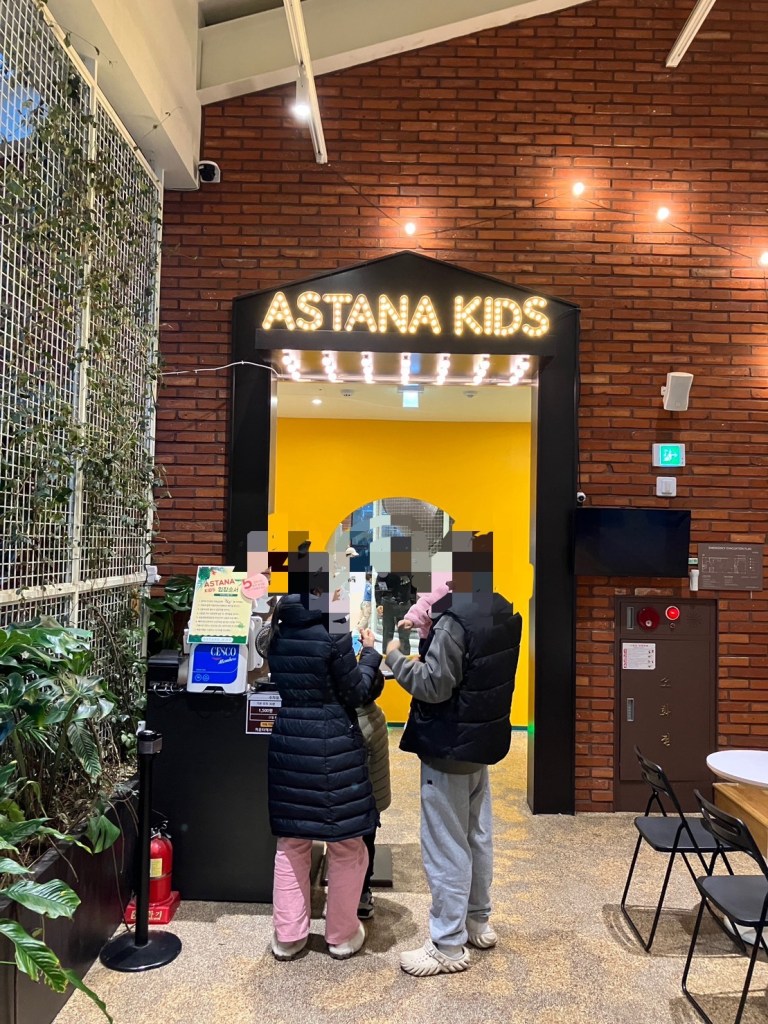
As we entered the café, we were greeted by the warmth of brick walls adorned with cheerful lights, spelling out “ASTANA KIDS,” a promise of the family-friendly environment within. The first photograph captures this entrance, inviting parents and children to a space where joy and laughter echo.

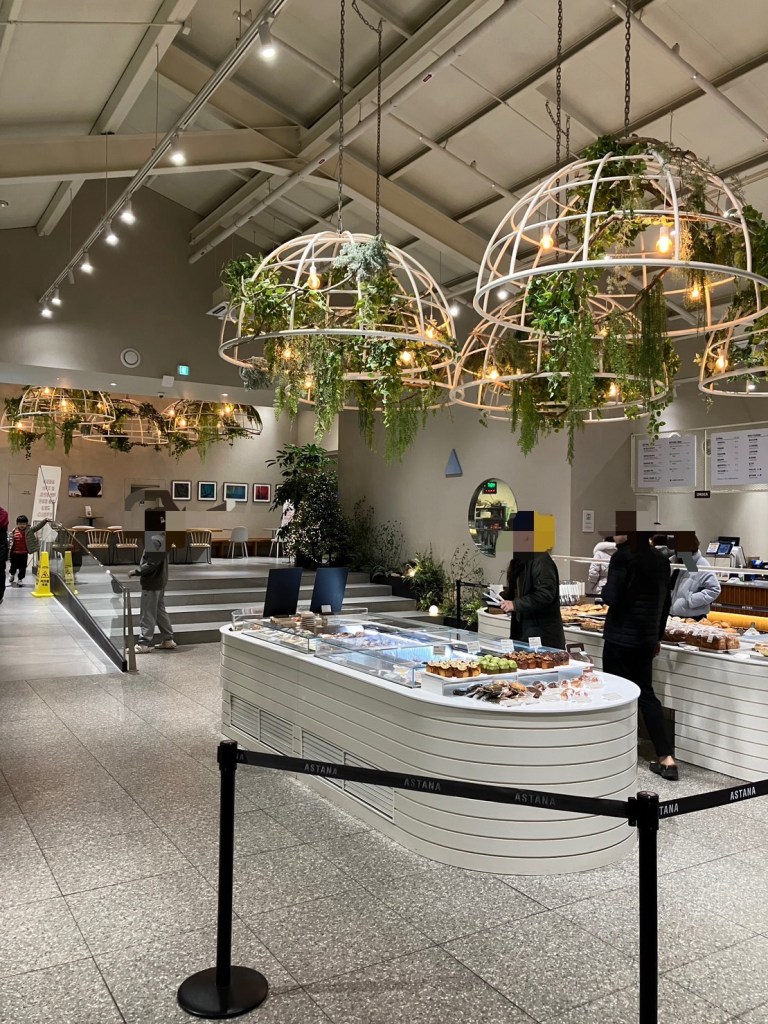
The spacious interior is a breath of fresh air, boasting modern industrial vibes intertwined with a touch of nature, as seen in the second image. Here, amidst the chatter and clinking of coffee cups, one can find solace in the company of lush green plants that adorn the space.

Our twins, merely 10 months old, found their slice of heaven in the kids’ zone – a safe and vibrant area where they could crawl, slide, and bounce to their hearts’ content. The joy of their first encounter with a slide and trampoline was a sight to behold, as shown in the third photo, where the play area’s thoughtful design promises fun and safety in equal measure.

The fourth image showcases the café’s culinary heart, where glass cases present an array of delectable treats. The offerings range from hearty meals that satiate the appetite to aromatic coffee that revives the spirit – each prepared with meticulous care and served with a smile.

Café Astana is not just a place to eat and play; it’s a destination where memories are made. Where babies giggle at the sight of new friends and parents unwind, knowing their little ones are in a realm of safe exploration. It’s a café that understands the essence of family time.

We left Café Astana with full bellies, light hearts, and a desire to return. For those interested in visiting this enchanting spot, further details can be found at Café Astana. And for those afar, may these photographs transport you to our day of tranquility and toddler giggles, reminding us all of the simple pleasures that family life has to offer.

아스타나키즈
경기 화성시 효행로 1203-8 카페아스타나
https://naver.me/FQ5wdxvx

Navigating the Emotional Landscape of Social Media: Lessons from Thomas Edison

Introduction:
In the digital era, social media (SNS) has become an integral part of our lives, both personally and professionally. As a salesperson, I’ve come to realize that SNS is not just a platform for sharing information but a powerful tool for conveying and influencing emotions. Recently, I’ve been contemplating how to manage the negative emotions that can arise from interactions on these platforms and draw inspiration from an unlikely source: Thomas Edison.

The Emotional Power of SNS:
Social media’s ability to amplify emotions is undeniable. It connects us with a broad audience, but it also exposes us to a wide range of emotional responses. As someone in sales, I strive to surround myself with positivity, but the nature of SNS makes it challenging to avoid negativity and criticism.

Learning from Thomas Edison:
Thomas Edison, the renowned American inventor and businessman, offers valuable lessons for dealing with negativity and staying focused on our goals.

  1. Embracing Failure Positively:
  • Edison famously said, “I have not failed. I’ve just found 10,000 ways that won’t work.” This perspective is vital when facing criticism or negativity on social media. Instead of letting it hinder us, we can use it as a stepping stone to improvement.
  1. Persistent Learning and Improvement:
  • Edison’s relentless experimentation and learning process are analogous to how we should approach social media communication. Constant learning and adapting our strategies can help us use these platforms more effectively.
  1. Concentration and Goal Setting:
  • Edison’s ability to concentrate on his goals, irrespective of setbacks, teaches us the importance of staying focused on our objectives in the face of social media distractions.
  1. Innovation and Creativity:
  • Edison’s innovative spirit encourages us to find creative solutions in our digital communications, offering fresh perspectives and engaging content.

Applying Edison’s Principles to SNS:
Incorporating Edison’s approach means viewing every negative interaction as an opportunity to learn and grow. It also involves setting clear objectives for our social media use, whether for personal branding, networking, or sales goals, and persistently working towards these aims with creativity and innovation.

Conclusion:
The emotional landscape of social media can be challenging to navigate, but by drawing inspiration from historical figures like Thomas Edison, we can learn to manage it more effectively. By embracing a positive attitude, focusing on our goals, and continuously adapting our strategies, we can harness the power of social media while maintaining our emotional well-being.

Call to Action:
How do you manage the emotional impact of social media? Do you have other historical figures who inspire you in this regard? Share your thoughts and experiences in the comments below. Let’s learn from each other and navigate the digital world with resilience and positivity.