英単語「Skittish」の意味と使い方を徹底解説

英語には、特定の状況や感情を的確に表現するための単語が数多くあります。その中でも「skittish」という単語は、特に臆病さや落ち着きのなさを表現するために使われる便利な単語です。この記事では、「skittish」の意味、発音、例文、そして会話での使用方法について詳しく解説します。


1. 「Skittish」の意味と発音

  • 発音: /ˈskɪtɪʃ/
  • 意味: 「skittish」は、「臆病な」「落ち着きのない」「敏感で警戒心が強い」という意味を持つ形容詞です。この単語は、特に動物(特に馬)や人が突然の動きや音に対して過剰に反応する様子を表すために使われます。また、状況や市場などが不安定で予測しにくいことを示す場合にも使われます。

2. 例文とその日本語訳

  • 例文1: The horse became skittish when it heard the loud noise.
  • 日本語訳: その馬は大きな音を聞いて臆病になった。
  • 例文2: Investors are skittish due to the recent fluctuations in the stock market.
  • 日本語訳: 最近の株式市場の変動により、投資家たちは神経質になっている。
  • 例文3: She has always been skittish about making decisions quickly.
  • 日本語訳: 彼女はいつも、迅速に決断を下すことに対して臆病である。

3. 会話例とその日本語訳

会話例1: 友人との会話

  • Person A: Have you noticed how skittish Sarah gets whenever she has to speak in public?
  • Person B: Yes, she always seems so nervous. Public speaking really isn’t her thing.
  • 日本語訳:
  • Aさん: サラが人前で話すとき、どれだけ臆病になるか気づいた?
  • Bさん: うん、彼女はいつもすごく緊張しているみたいだね。人前で話すのは本当に苦手なんだろうね。

会話例2: 職場での会話

  • Person A: The market has been really skittish lately. Should we hold off on making any big investments?
  • Person B: I think it’s wise to be cautious right now. Let’s wait until things stabilize a bit.
  • 日本語訳:
  • Aさん: 最近、市場が本当に不安定だよね。大きな投資は控えた方がいいかな?
  • Bさん: 今は慎重になるのが賢明だと思う。もう少し落ち着くまで待とう。

4. 「Skittish」の使い方のポイント

「skittish」という単語は、物事や人が敏感で不安定な状態にあることを強調する際に非常に役立ちます。この単語を使うことで、状況や感情の不安定さや予測不可能性を明確に伝えることができます。

例えば、ビジネスシーンでは市場の変動に対する敏感さを表す際に「skittish」を使いますし、日常会話では、誰かが緊張している様子や臆病さを指摘する際に使用できます。この単語を覚えておくと、特定のニュアンスを的確に伝えられるようになります。


5. まとめ

「skittish」という単語は、臆病さや不安定さを表現するための非常に便利な形容詞です。例文や会話例を参考に、この単語を日常のコミュニケーションや文章で活用してみてください。適切に使うことで、あなたの英語表現力がさらに向上するでしょう。


英語学習には、単語の意味だけでなく、その使い方やニュアンスを理解することが不可欠です。このブログ記事が、皆さんの英語力向上に役立つことを願っています。

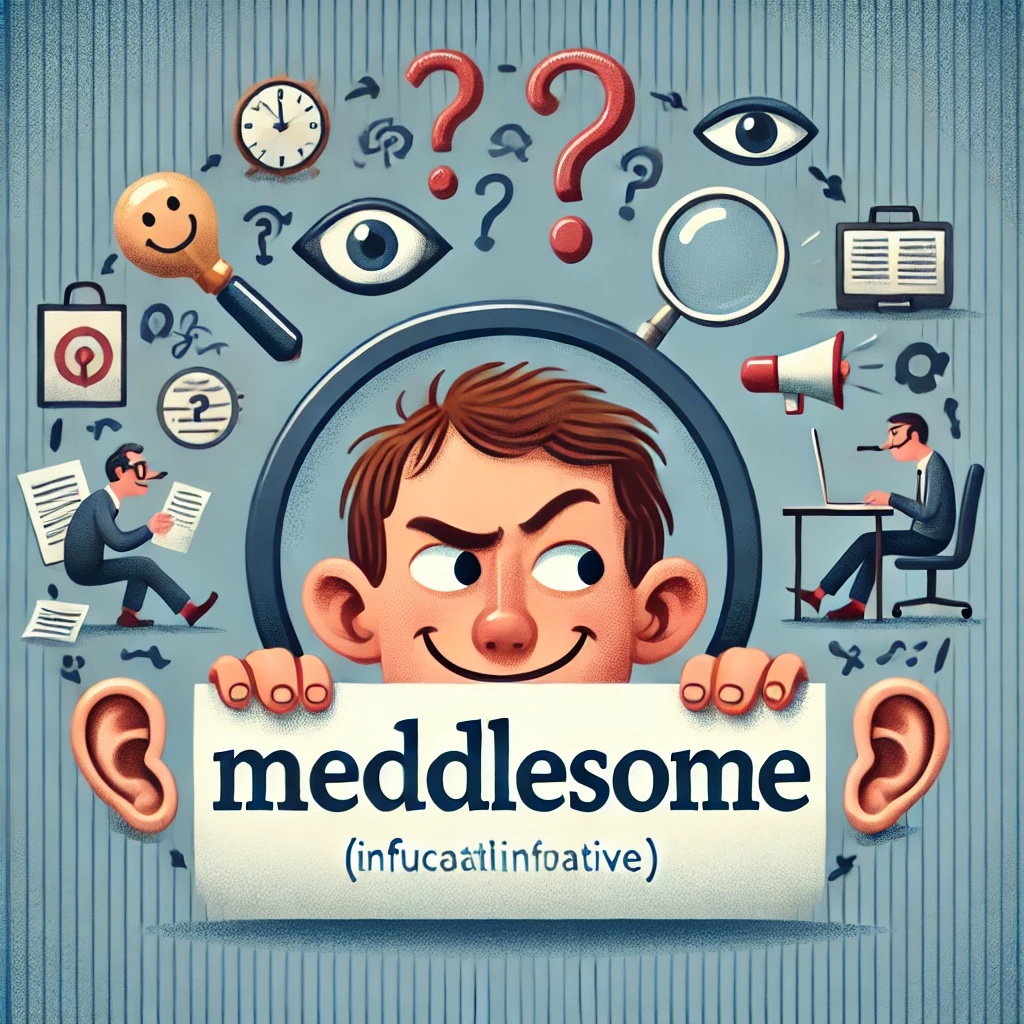
英単語「Meddlesome」の意味と使い方を徹底解説

英語の学習において、特定の性格や行動を表現する単語を理解することは重要です。その中でも「meddlesome」という単語は、他人の問題や事柄に不必要に干渉する行動を示すために使われる、非常に具体的な単語です。この記事では、「meddlesome」の意味、発音、例文、そして会話での使い方について詳しく解説します。


1. 「Meddlesome」の意味と発音

  • 発音: /ˈmɛdlsəm/
  • 意味: 「meddlesome」は、「おせっかいな」「干渉好きな」という意味を持ちます。これは、他人の事情や問題に不必要に介入しようとする人や行動を指す、否定的なニュアンスを持つ形容詞です。

2. 例文とその日本語訳

  • 例文1: The meddlesome neighbor always tries to find out what’s going on in everyone’s home.
  • 日本語訳: そのおせっかいな隣人は、いつも他人の家で何が起こっているのか知ろうとする。
  • 例文2: His meddlesome behavior caused a lot of unnecessary trouble in the office.
  • 日本語訳: 彼のおせっかいな行動が、オフィスで多くの不必要な問題を引き起こした。
  • 例文3: The committee’s meddlesome approach to managing the project delayed its progress significantly.
  • 日本語訳: 委員会のおせっかいなプロジェクト管理が、その進捗を大幅に遅らせた。

3. 会話例とその日本語訳

会話例1: 友人との会話

  • Person A: I can’t stand how Jane always tries to give advice on everything, even when no one asks for it.
  • Person B: Yeah, she can be pretty meddlesome sometimes. It’s really annoying.
  • 日本語訳:
  • Aさん: ジェーンがいつも、誰も頼んでいないのにいろんなことにアドバイスしようとするのが我慢できないよ。
  • Bさん: そうだね、彼女は時々本当におせっかいだよね。すごく迷惑だよ。

会話例2: 職場での会話

  • Person A: Why did the manager step in on our project? We were handling it just fine.
  • Person B: He’s always been meddlesome. He just can’t resist getting involved in everything.
  • 日本語訳:
  • Aさん: どうしてマネージャーが私たちのプロジェクトに口を出してきたの?ちゃんとやれてたのに。
  • Bさん: 彼はいつもおせっかいなんだよ。何にでも首を突っ込まずにはいられないんだ。

4. 「Meddlesome」の使い方のポイント

「meddlesome」という単語は、他人のことに不必要に介入する人や行動を否定的に描写するために使われます。この単語は通常、相手に対する批判や不満を表現する際に用いられます。日本語では「おせっかい」「干渉好き」と訳されますが、英語の「meddlesome」にはより強い否定的なニュアンスがあります。

日常会話やビジネスの場で、「meddlesome」という単語を使うことで、特定の行動や性格に対する不快感を的確に伝えることができます。特に、他人のプライバシーを侵害するような行動を批判する際に非常に有効です。


5. まとめ

「meddlesome」という単語は、他人の問題に不必要に干渉する行動や性格を表現するための強力な表現です。例文や会話例を参考に、この単語を日常のコミュニケーションで活用してみてください。適切に使うことで、相手に対して明確なメッセージを伝えることができるでしょう。


英語の学習には、単語の意味だけでなく、その使い方やニュアンスを深く理解することが不可欠です。このブログ記事が、皆さんの英語力向上に役立つことを願っています。

英単語「Plagued」の意味と使い方を徹底解説

英語の上級単語には、非常にニュアンス豊かで状況を的確に表現できるものが多くあります。その中でも「plagued」という単語は、特定の問題や困難に悩まされている状態を表す際に非常に有用です。この記事では、「plagued」の意味、発音、例文、そして会話での使用方法について詳しく解説します。


1. 「Plagued」の意味と発音

  • 発音: /pleɪɡd/
  • 意味: 「plagued」は、「(長期間にわたり)苦しめられる、悩まされる」という意味を持ちます。通常は、問題や困難、病気などの否定的な要素によって影響を受け続ける状態を表すために使われます。

2. 例文とその日本語訳

  • 例文1: The small town was plagued by frequent floods, causing many residents to relocate.
  • 日本語訳: その小さな町は頻繁な洪水に悩まされ、多くの住民が引っ越しを余儀なくされた。
  • 例文2: The company has been plagued by financial difficulties for several years.
  • 日本語訳: その会社は数年間、財政的な困難に苦しめられてきた。
  • 例文3: She was plagued with doubts about her decision to leave the job.
  • 日本語訳: 彼女は仕事を辞めるという決断に対して、疑念に悩まされていた。

3. 会話例とその日本語訳

会話例1: 職場での会話

  • Person A: Have you heard about the new software update?
  • Person B: Yes, but our team has been plagued with bugs since we installed it. It’s causing a lot of delays.
  • 日本語訳:
  • Aさん: 新しいソフトウェアのアップデートについて聞きましたか?
  • Bさん: ええ、でもインストールしてからバグに悩まされています。それで大幅に遅れています。

会話例2: 友人との会話

  • Person A: You’ve been looking stressed lately. Is everything okay?
  • Person B: Not really. I’ve been plagued by worries about my upcoming exams. I can’t seem to focus.
  • 日本語訳:
  • Aさん: 最近、ストレスがたまっているように見えるけど、大丈夫?
  • Bさん: 実はそうでもないんだ。試験が迫っていて不安に悩まされているんだ。集中できないんだよね。

4. 「Plagued」の使い方のポイント

「plagued」という単語は、特定の問題や困難が持続的に続き、それが人や物事に悪影響を与えている状況を強調します。日本語では「苦しめられる」「悩まされる」と訳されることが多いですが、英語の「plagued」には、問題が深刻かつ持続的であるというニュアンスが強く含まれています。

この単語は、ビジネス、日常会話、文学的表現など、さまざまな文脈で使用されます。覚えておくことで、状況の深刻さや困難さを的確に伝えることができるようになります。


5. まとめ

「plagued」という単語は、困難や問題に長期間にわたって苦しめられる状況を描写する際に非常に役立つ表現です。例文や会話例を参考に、実際の会話や文章で積極的に使用してみてください。この単語をマスターすることで、より豊かな英語表現が可能になるでしょう。


英語の表現力を高めるためには、単語の意味だけでなく、その使い方やニュアンスを理解することが重要です。この記事が皆さんの英語学習に役立つことを願っています。

英単語「Fraught」の使い方と意味を徹底解説

英語学習者にとって、上級単語の習得は重要です。その中でも特に「fraught」という単語は、ネイティブスピーカーが感情や状況を描写する際にしばしば使用する、非常に印象的な単語です。この記事では、「fraught」の意味、発音、例文、そして会話での使い方について詳しく解説します。


1. 「Fraught」の意味と発音

  • 発音: /frɔːt/
  • 意味: 「fraught」は、「(問題や困難などが)多い」「〜で満ちている」「緊張した」という意味を持ちます。通常、否定的な状況や感情と共に使用され、何かが心配やストレスの原因となっていることを示します。

2. 例文とその日本語訳

  • 例文1: The negotiation process was fraught with tension and misunderstandings.
  • 日本語訳: 交渉の過程は、緊張と誤解に満ちていた。
  • 例文2: Her decision to move to a new city was fraught with challenges.
  • 日本語訳: 彼女が新しい都市に引っ越すという決断は、多くの課題に満ちていた。
  • 例文3: The project was fraught with difficulties from the start.
  • 日本語訳: そのプロジェクトは最初から困難に満ちていた。

3. 会話例とその日本語訳

会話例1: 職場での会話

  • Person A: How is the new project going?
  • Person B: Honestly, it’s been fraught with issues since day one. We’ve had to deal with unexpected delays and budget overruns.
  • 日本語訳:
  • Aさん: 新しいプロジェクトはどうですか?
  • Bさん: 正直なところ、初日から問題だらけです。予期せぬ遅延や予算オーバーに対処しなければなりませんでした。

会話例2: 友人との会話

  • Person A: Are you excited about your trip to the mountains?
  • Person B: I am, but the planning has been fraught with complications. The weather forecast keeps changing, and we’re not sure if the trails will be safe.
  • 日本語訳:
  • Aさん: 山への旅行、楽しみですか?
  • Bさん: 楽しみなんだけど、計画がいろいろ複雑でね。天気予報がコロコロ変わるし、トレイルが安全かどうかも分からないんだ。

4. 「Fraught」の使い方のポイント

「fraught」は、特に何かが困難やストレスに満ちている状況を強調するために使われます。日本語の「問題が多い」や「緊張した状態」といった意味合いを含みますが、英語の「fraught」にはより感情的で緊迫したニュアンスがあります。

この単語はビジネスの場でも日常会話でも頻繁に使われるため、英語でコミュニケーションを取る際に覚えておくと非常に便利です。


5. まとめ

「fraught」は、困難や問題、緊張を表現する上で非常に効果的な単語です。感情的な状況を描写する際に使うことで、より深い意味合いを相手に伝えることができます。ぜひ、例文や会話例を参考に、実際の会話で「fraught」を使ってみてください。

この単語をマスターすれば、あなたの英語力は一段と向上することでしょう。


英語学習には、継続的な練習と実際の使用が不可欠です。この記事が皆さんの英語学習に役立つことを願っています。

Unraveling the Nankai Trough Earthquake Mysteries: Japan’s Tryst with Nature’s Fury

In the serene backdrop of Tokyo, far from the tranquility often associated with Japan’s cherry blossoms, lies a ticking tectonic time bomb — the Nankai Trough. On August 8th, at a seemingly ordinary conference held at the University of Tokyo, profound revelations surfaced about this seismic giant poised beneath the Pacific. The first-ever announcement of temporary information regarding the Nankai Trough earthquakes delivered a message wrapped in ambiguity and urgency: a major quake could be brewing, yet its arrival remains shrouded in uncertainty.

The Predictable Unpredictability of Earthquakes

The Nankai Trough, characterized by its complex seismicity, has historically displayed an array of patterns in terms of earthquake magnitude and epicentral regions. Such variability embeds considerable unpredictability into the efforts of forecasting these natural events. This region, notorious for its seismic activity, has prompted researchers to propose three plausible scenarios that outline potential future seismic activities.

Scenario One: The Partial Rupture

Imagine a portion of the Earth’s crust, a colossal rock plate, shifting just slightly at its boundary. This is what researchers fear the most — a ‘partial rupture’ that could potentially escalate into a catastrophic magnitude 9 megaquake. This fear was heightened by a recent magnitude 7 earthquake in the Hyuga-nada Sea, which is suspected to have the potential to trigger such a mega-event. “The Hyuga-nada earthquake is considered a ‘partial rupture’ within the Nankai Trough’s predicted epicentral region,” explained Professor Emeritus Nao Hirata during a press briefing. The implication is stark: a tremor in one part could set off a domino effect across the entire geological fault.

Scenario Two: The Half Rupture

Not all tremors escalate to doomsday events, but the potential always lurks. Historical documents indicate that the region has experienced at least nine major earthquakes since the Hakuho Earthquake of 684, with occurrences and intensities as varied as the landscape itself. A ‘half rupture,’ where only part of the plate boundary shifts, has historically been more common than a complete break. Such events could precede or even foretell more significant seismic activities.

Scenario Three: The Isolated Incident

Sometimes, nature’s fury manifests in more subdued forms. The recent Hyuga-nada tremor might just be a typical seismic event for the region, which has seen frequent, though moderate, quakes over the years. If this is the case, then the current alerts might turn out to be cautionary tales rather than heralds of destruction. “We are aware that not every seismic activity we track will lead to a catastrophe,” remarked an official from the Meteorological Agency, emphasizing the provisional nature of current data and predictions.

The Delicate Dance of Disaster Preparedness

Japan’s approach to disaster preparedness is a delicate balance between alertness and maintaining normalcy. The introduction of the temporary information system is a step towards refining how authorities and the public react to potential large-scale disasters. It aims not only to heighten preparedness but also to avoid unnecessary social and economic disruption.

In the wake of these scenarios, Japan stands on the precipice of potentially transformative geological events. Each scenario sheds light on the multifaceted nature of earthquake prediction and preparedness. As researchers continue to decipher the clues laid out by the Earth, the overarching goal remains clear: to safeguard lives and preserve the rhythm of daily life amidst the whispers of the Earth’s movements.

As we observe from afar, Japan’s saga with the Nankai Trough is a stark reminder of our ongoing dialogue with nature — a dialogue punctuated by both serene whispers and thunderous warnings.

「Gating Issues」と「Spillover Demand」:英語ビジネス表現を深掘りしよう

ビジネスや技術の分野でよく使われる英語表現には、その文化や考え方が反映されています。特に、英語圏で日常的に使われる専門用語や慣用表現は、理解しておくと実務で役立つことが多いです。今回は、その中でも特に面白い「Gating Issues」と「Spillover Demand」という2つの表現について詳しく解説していきます。


Gating Issues: プロジェクトの進行を妨げる「ゲート」

まず、「Gating Issues(ゲーティング・イシューズ)」について見てみましょう。この表現は、プロジェクト管理や技術開発の文脈でよく使用されます。

Gating Issuesとは?

「Gate」は日本語で「門」を意味しますが、ここではプロジェクトの各段階で発生する制約やボトルネックを指します。具体的には、あるフェーズから次のフェーズに進む際にクリアしなければならない障害のことです。例えば、製品開発のプロジェクトでは、設計段階から生産段階に移行する際に、部品の供給問題や技術的な課題が発生することがあります。これが「Gating Issue」としてプロジェクト全体の進行を妨げることになります。

例文と会話例

  • 例文: “The new project faced several gating issues, particularly with the supply chain, which delayed the launch.”
  • 日本語訳: 新しいプロジェクトは、特にサプライチェーンに関するいくつかのボトルネックに直面し、開始が遅れました。
  • 会話例:
  • Person A: “Why is the production of the new model taking so long?”
  • Person B: “There are some gating issues with the critical components. We’re working on resolving them, but it’s causing delays.”
  • 日本語訳:
    • Aさん: 「新しいモデルの生産に時間がかかっているのはなぜですか?」
    • Bさん: 「重要な部品に関していくつかのボトルネックがあります。それを解決しようとしていますが、遅れが生じています。」

文化的背景

「Gating Issues」という表現は、アメリカやイギリスのビジネス文化に深く根付いています。特に、大規模なプロジェクトや複雑なサプライチェーンを持つ業界では、各段階での「ゲートプロセス」が重要視されます。このプロセスは、進行中の作業が次のフェーズに進む準備が整っているかどうかを確認するためのものです。そのため、何らかの問題が生じると、それが全体の進行を阻害する「Gating Issue」として認識されます。


Spillover Demand: 需要が波及する現象

次に、「Spillover Demand(スピルオーバー・デマンド)」という表現を見てみましょう。これは経済学やマーケティングの分野でよく使われる概念です。

Spillover Demandとは?

「Spillover」は「こぼれる」や「溢れ出す」という意味がありますが、ビジネスでは、特定の製品やサービスに対する高い需要が関連する他の製品やサービスに波及する現象を指します。例えば、電気自動車(EV)の需要が高まると、それに関連する充電インフラやバッテリー技術に対しても需要が生まれるといった具合です。この波及効果が「Spillover Demand」と呼ばれます。

例文と会話例

  • 例文: “The high demand for electric cars has created a spillover demand for charging infrastructure and battery technology.”
  • 日本語訳: 電気自動車の高い需要が、充電インフラやバッテリー技術に対する波及需要を生み出しました。
  • 会話例:
  • Person A: “Why are we seeing an increase in sales for our secondary product line?”
  • Person B: “It’s due to spillover demand from our main product, which has been very popular recently.”
  • 日本語訳:
    • Aさん: 「なぜ私たちの二次製品ラインの売上が増えているのですか?」
    • Bさん: 「最近、主力製品が非常に人気があるため、その波及需要によるものです。」

文化的背景

「Spillover Demand」という考え方は、製品やサービスが相互に関連し合う現代の市場で特に重要です。アメリカやヨーロッパなどの先進国市場では、新技術や新製品が登場するたびに、その影響が関連市場にも広がることが一般的です。こうした波及効果を理解しておくことで、企業は新たなビジネスチャンスを見つけやすくなります。


まとめ

「Gating Issues」と「Spillover Demand」という表現は、どちらもビジネスや技術の分野で非常に重要な概念です。これらを理解することで、プロジェクト管理や市場分析の精度を高め、より戦略的な判断が可能になります。英語の専門用語を学ぶ際には、その背後にある文化や考え方にも目を向けることが、深い理解に繋がります。

これからも、こうした表現を積極的に取り入れて、ビジネス英語のスキルを向上させていきましょう!

「Tailwind」と「Headwind」:ビジネスとテクノロジー市場における追い風と向かい風

ビジネスやテクノロジー市場を語る上で、重要な要素として「Tailwind(追い風)」と「Headwind(向かい風)」という言葉があります。これらの用語は、それぞれ好条件や逆境を指し、企業や市場のパフォーマンスに大きな影響を与える要因としてよく使われます。今回は、これらの用語の意味と、実際のテクノロジー市場における使用例を通じて、その重要性を探ってみたいと思います。

Tailwind(追い風):ビジネスの成長を後押しする好条件

「Tailwind」は、文字通り「後ろから吹く風」を意味し、比喩的にはビジネスや市場の成長を促進する好条件を指します。例えば、企業が好調な経済状況や技術革新から恩恵を受ける場合、それは「追い風」が吹いている状態と表現されます。

例文:
“The company’s growth was boosted by strong tailwinds from the booming tech sector.”
(その会社の成長は、好調なテクノロジーセクターからの強い追い風によって促進された。)

会話例:
A: “Why has the company’s revenue increased so much this quarter?”
(どうして今四半期で会社の収益がこんなに増えたの?)
B: “It’s because of the tailwind from the increased demand for our AI products.”
(AI製品の需要増加という追い風のおかげだよ。)

最近のPC市場においても、この「Tailwind」が顕著に現れています。特にAI関連製品の需要が急増しており、これがPC出荷量の回復に寄与しています。IDCの調査によれば、AI PC需要の増加と企業の刷新サイクルが市場の追い風となり、7四半期連続で減少していたPC出荷量がついに拡大に転じました。これはまさに、「追い風」が市場に好影響を与えた一例です。

Headwind(向かい風):ビジネスの成長を阻む逆境

一方で、「Headwind」は「向かい風」を意味し、ビジネスや市場において成長を妨げる要因を指します。企業が困難な経済状況や競争の激化に直面する場合、それは「向かい風」に対抗しなければならない状況です。

例文:
“Despite headwinds in the global market, the company managed to increase its revenue.”
(世界市場での逆風にもかかわらず、その会社は収益を増加させることができた。)

会話例:
A: “The sales in Asia are not looking good this year.”
(今年のアジアでの売上は芳しくないね。)
B: “Yes, we’re facing significant headwinds from the economic slowdown in the region.”
(そうだね、地域の経済減速という大きな向かい風に直面しているよ。)

同じくPC市場では、中国における弱い販売が「Headwind」として機能しています。中国市場での売上低迷は、グローバルなPC需要を抑制する要因となっており、この「向かい風」が市場の成長を妨げています。このように、強力な「Headwind」によって、市場や企業が期待通りに成長しないことがあるのです。

まとめ

「Tailwind」と「Headwind」は、ビジネスや市場の動向を説明する上で非常に有用な概念です。追い風が吹いているときには、企業は成長のチャンスを最大限に活かすべきです。一方で、向かい風に直面している場合は、戦略を見直し、逆境に打ち勝つための対策が求められます。

テクノロジー市場では、AI PC需要の増加という追い風が見られる一方、中国市場での低迷という向かい風も存在します。これらの風向きは、今後の市場動向を左右する重要な要因となるでしょう。企業は、これらの風の影響を慎重に分析し、適切な戦略を策定することが求められます。

英語の難解な単語「Exacerbating」を徹底解説

こんにちは、皆さん!今回は、英語の上級単語「exacerbating」について深掘りしていきたいと思います。この単語を聞いたことがない方も多いかもしれませんが、実際には日常生活や仕事の場面で役立つ表現です。では、さっそく見ていきましょう。

Exacerbatingの意味と使い方

「Exacerbating(エグザサーベイティング)」は、「悪化させる」「さらに深刻にする」という意味です。すでに存在している問題や状況が、何らかの要因によってさらに悪くなるときに使われます。特に病気や経済問題、対人関係のトラブルなど、ネガティブな状況に対してよく用いられる表現です。

例えば、以下のようなシチュエーションで使われます。

  • 例文: The new policy is likely to exacerbate the existing economic inequalities.
  • 和訳: 新しい政策は既存の経済的不平等をさらに悪化させる可能性が高いです。

このように、既に問題となっている状況がさらに悪くなることを示す場合に「exacerbate」を使います。

語源とフランス語の相当語

「Exacerbating」の語源はラテン語に由来します。「ex」(外に) と「acerbus」(苦い、鋭い) が組み合わさり、「さらに鋭くする」または「激化させる」という意味になりました。フランス語でも同様に「Exacerber」という単語が使われており、意味もほぼ同じです。

会話例で学ぶExacerbating

次に、「exacerbating」を使った会話例を見てみましょう。

  • 会話例:
  • Person A: I heard the company is planning to lay off more employees.
  • Person B: That will only exacerbate the current morale problem.
  • 和訳:
    • Aさん: 会社がさらに従業員を解雇する予定だと聞いたよ。
    • Bさん: それは現在の士気の問題をさらに悪化させるだけだろう。

この例では、すでに存在している「士気の問題」を「さらに悪化させる」という意味で「exacerbate」が使われています。

Exacerbatingの使い方のポイント

「Exacerbate」は、新たに問題を引き起こすのではなく、既存の問題を深刻化させるときに使います。そのため、医療、経済、社会問題、対人関係など、様々な分野で応用可能な単語です。覚えておくことで、より高度な英語表現ができるようになるでしょう。

まとめ

英語の上級単語「exacerbating」は、ネガティブな状況をさらに悪化させるときに使う非常に便利な表現です。特に、すでに難しい状況がさらに困難になる様子を正確に伝えることができます。会話やビジネスシーンで積極的に使ってみてください。

それでは、今回の記事が少しでも皆さんの英語学習に役立てば幸いです!また次回の記事でお会いしましょう。

SK Hynix: Steady Growth in the Memory Market and Future Prospects

In recent years, SK Hynix, a major South Korean semiconductor company, has continued to see steady growth in the memory market. Its technical capabilities and competitiveness are attracting significant attention. According to an article published on August 7, 2024, SK Hynix CEO Kwak Noh-jung expects memory demand to remain steady until early next year and emphasizes the need to monitor the situation thereafter.

Leadership in HBM Technology

SK Hynix holds a significant advantage over its competitors, particularly in the High Bandwidth Memory (HBM) sector. Recently, the company delivered 8-layer HBM3E products to NVIDIA and plans to supply 12-layer HBM3E products to its customers in the fourth quarter of this year. Furthermore, SK Hynix aims to launch the sixth-generation HBM4 12-layer products in the latter half of next year. These advancements reinforce SK Hynix’s leadership in the AI semiconductor market.

Business Strategy and Technological Competitiveness

SK Group Chairman Chey Tae-won has emphasized that AI is an inevitable trend and that only companies that seize opportunities in times of crisis can lead in technology. Chey highlighted the importance of securing technological competitiveness and developing next-generation products, stressing the need to remain steadfast during challenging times. This approach underpins SK Hynix’s continued growth.

Global Expansion and Support

SK Hynix is planning to establish a new semiconductor packaging production base in Indiana, USA. The U.S. Department of Commerce has decided to provide up to $450 million in subsidies for this project, which will enable SK Hynix to further enhance its technological development and production capacity.

Achievements and Future Outlook

In the second quarter of 2024, SK Hynix achieved an operating profit of 5.4685 trillion won, with sales reaching a record high of 16.4233 trillion won. This indicates a return of the memory market’s super cycle, previously seen in 2018, and supports the company’s sustainable growth.

CEO Kwak has expressed optimism about the future of the memory market, committing to proactive innovation and market expansion. SK Hynix’s developments will continue to be closely watched.

Conclusion

SK Hynix’s technological capabilities and business strategy have enabled it to achieve steady growth in the memory market. The company’s proactive investment and development in AI and next-generation memory technologies are key drivers of its leadership position. Moving forward, we will continue to follow SK Hynix’s challenges and achievements with great interest.


SKハイニックス、メモリ市場での堅調な成長と未来への展望

近年、韓国の主要半導体企業であるSKハイニックスは、メモリ市場で堅調な成長を続けており、その技術力と競争力が注目されています。2024年8月7日に公開された記事によれば、同社のクァク・ノジョン代表は、来年初めまでメモリ需要が堅調であると予想し、その後の状況についても注視が必要だと述べました。

HBM技術のリーダーシップ

SKハイニックスは、特にHBM(高帯域幅メモリ)分野で競合他社に対して優位性を持っています。最近、エヌビディアに第5世代HBMであるHBM3Eの8段製品を納品し、今年の第4四半期にはHBM3Eの12段製品を顧客に供給する予定です。また、来年には第6世代HBM4の12段製品を先行して出荷する計画です。このような進展により、SKハイニックスはAI半導体市場でのリーダーシップを確固たるものとしています。

経営戦略と技術競争力

SKグループのチェ・テウォン会長は、AIが避けられないトレンドであり、危機の中で機会を捉える企業だけが生き残ると述べました。チェ会長は、技術競争力の確保と次世代製品の開発に注力することを強調し、困難な時こそ揺るぎなく進むことの重要性を説いています。この姿勢は、SKハイニックスの継続的な成長を支える基盤となっています。

グローバルな展開と支援

SKハイニックスは、アメリカのインディアナ州に新たな半導体パッケージング生産拠点を設立する計画を進めています。アメリカ商務部はこのプロジェクトに対して最大4億5000万ドルの補助金を支給することを決定しており、SKハイニックスはこの支援を活用してさらなる技術開発と生産能力の拡大を図ります。

実績と今後の見通し

2024年の第2四半期、SKハイニックスは5兆4685億ウォンの営業利益を達成し、売上も過去最高の16兆4233億ウォンを記録しました。これは、メモリ市場におけるスーパーサイクルの再来を示唆しており、同社の持続可能な成長を裏付けるものです。

クァク社長は、メモリ市場の将来についても楽観的な見通しを示しており、技術革新と市場拡大の両面で積極的に取り組む姿勢を示しています。今後もSKハイニックスの動向から目が離せません。

結論

SKハイニックスは、その技術力と経営戦略により、メモリ市場で堅調な成長を続けています。AIや次世代メモリ技術に対する積極的な投資と開発は、同社が市場リーダーとしての地位を強化する原動力となっています。これからもSKハイニックスの挑戦と成果に注目し続けたいと思います。

半導体技術の基礎を理解しよう:身近な例で学ぶ

半導体技術について理解するためには、日常生活で使われる例えを用いると分かりやすくなります。この記事では、半導体技術の基本的なコンポーネントについて、身近な例えを使って説明します。

半導体とは

半導体を理解するためには、まず電気の流れ方を理解する必要があります。例えば、光のスイッチを考えてみてください。通常のスイッチはオンかオフのどちらかですが、調光スイッチは光の明るさを調整できます。半導体もこれと似ています。通常の導体(例えば銅線)は常に電気を流しますが、半導体は電気を様々なレベルで流すことができます。まるで調光スイッチのように、半導体は電気の流れを細かく調整することができるのです。

トランジスタとは

トランジスタを理解するためには、水の蛇口を思い浮かべてください。蛇口は水の流れを制御します。水を出したり止めたり、流れる量を調整したりすることができます。同じように、トランジスタは電流の流れを制御します。電流をオンにしたりオフにしたり、または様々なレベルに調整することができるのです。

マイクロチップとは

マイクロチップは、ミニチュア化された都市のようなものです。都市には建物(トランジスタ)、道路(接続)、そして人々(電子)がいます。都市が効率的に複雑なタスクをこなすように、マイクロチップも複雑な作業を効率的に行うために設計されています。

集積回路(IC)とは

集積回路は、たくさんの材料(トランジスタ、抵抗、コンデンサ)を組み合わせて美味しい料理(機能する電子デバイス)を作る複雑なレシピのようなものです。全てが適切な量で混ぜ合わされ、期待通りの結果を得ることができます。

ウェハーとは

ウェハーは、ピザのベースのようなものです。一つのピザベースから複数のピザスライスを作ることができるように、一つの半導体ウェハーから複数のマイクロチップを作ることができます。

シリコンとは

シリコンは、パンやケーキを作る際の小麦粉のようなものです。小麦粉が多くの焼き菓子の主要な材料であるように、シリコンはほとんどの半導体を作るための主要な材料です。

ドーピングとは

ドーピングは料理にスパイスを加えることに似ています。スパイスが料理の味を変えるように、シリコンに他の元素を少量加えることでその電気的特性を変え、より導電性を持たせたり、逆に抑えたりすることができます。

クリーンルームとは

クリーンルームは、病院の手術室のようなものです。半導体を製造する際に、ほこりやその他の汚染物質が製造プロセスに影響を与えないようにするための非常に清潔な環境です。

ムーアの法則とは

ムーアの法則は、ファッションのトレンドのようなものです。ファッションのトレンドが数年ごとに変わるように、ムーアの法則はチップ上のトランジスタの数が約2年ごとに倍増することを示唆しており、より強力で効率的な電子機器が生まれることを意味します。

FAB(製造工場)とは

FABは、パン屋のようなものです。パン屋がケーキを焼くように、FABは半導体デバイスを製造します。原材料が様々なプロセスを経て完成品に変わる場所です。

このように、半導体技術は私たちの生活に欠かせない存在となっており、その理解を深めることで、現代の電子機器がどのようにして動いているのかをより良く理解することができます。

Market Dynamics and the Impact of NVIDIA: A Meta-Cognitive Exploration

Welcome to an in-depth exploration of recent market trends, with a focus on the pivotal role NVIDIA is playing in shaping short-term market trajectories. As we delve into this analysis, let’s engage in some meta-cognition, reflecting on our understanding and thought processes regarding these market phenomena.

A Look Back: Market Rebound and Historical Context

On August 6, 2024, Asian stock markets, including South Korea, rebounded after three days of declines. This rebound momentarily calmed the nerves of investors who couldn’t help but recall the dramatic crashes of the dot-com bubble in 2000 and the global financial crisis in 2008. Despite this temporary relief, there’s a prevailing sentiment among market experts that the chances of a sustained rebound are slim. The market remains shrouded in uncertainty due to looming concerns about the US economic slowdown, the unwinding of yen carry trades, and the unpredictable performance of AI-related stocks.

Here, we pause to consider how our past experiences and knowledge of historical market crashes influence our current perceptions and decisions. This meta-cognitive reflection helps us understand why investors might be wary despite positive short-term movements.

NVIDIA: The Catalyst in Focus

NVIDIA’s upcoming Q2 earnings report, scheduled for August 28, is a key event that could determine the market’s direction in the near term. NVIDIA’s latest AI chip, “Blackwell,” has been a game-changer, propelling the stock prices of AI-related companies worldwide. The recent synchronization of stock prices between NVIDIA and major Korean tech giants like Samsung and SK Hynix underscores NVIDIA’s significant influence. Investors are keenly aware that NVIDIA’s performance could set the tone for the broader market.

By reflecting on the potential impact of NVIDIA’s earnings, we can better appreciate the interconnectedness of global markets and the ripple effects a single company’s performance can have. This meta-cognitive insight highlights the importance of staying informed about key players in the market.

Upcoming U.S. Economic Indicators

Next week, two critical U.S. economic indicators will be released: July retail sales (August 14) and weekly initial jobless claims (August 15). Positive results could alleviate some fears of a recession, providing a much-needed boost to market confidence. Additionally, the Jackson Hole Economic Symposium starting on August 22 is expected to shed light on the Federal Reserve’s monetary policy stance.

Reflecting on these indicators, we recognize the importance of economic data in shaping market sentiment. Our understanding of how macroeconomic factors influence investor behavior can guide us in making more informed decisions.

The Yen’s Volatility

The recent volatility in the yen-dollar exchange rate is another variable attracting significant attention. After peaking at 160 yen per dollar in June, the rate plummeted to 141 yen, sparking concerns about the unwinding of yen carry trades. The Wall Street Journal estimates the scale of these trades at around $20 trillion. Monitoring the Japanese authorities’ policy responses will be crucial in assessing whether the yen’s sharp decline will stabilize.

By contemplating the yen’s impact, we gain a deeper understanding of how currency fluctuations can affect global markets. This reflection enhances our ability to anticipate market movements based on forex trends.

Conclusion: Navigating Uncertainty with Meta-Cognitive Awareness

In conclusion, the market remains in a state of flux, influenced by a web of interconnected factors. NVIDIA’s earnings, U.S. economic indicators, and yen volatility are all critical elements that will shape short-term market dynamics. By engaging in meta-cognitive reflection, we can better understand the complexities of the market and the interplay between various forces.

As we navigate these uncertain waters, it’s essential to remain vigilant, stay informed, and continuously reflect on how our perceptions and knowledge shape our investment decisions. This meta-cognitive approach not only enriches our understanding but also equips us with the tools to respond more effectively to market changes.

Stay tuned for more insights as we continue to explore the ever-evolving landscape of global markets.